

I’ll never forget the moment I realized I had overlooked a critical detail in my client’s 2026 tax filings. It was late at night, and after hours of reviewing digital reports, a small discrepancy caught my eye—something an AI audit scan missed. That lightbulb moment made me realize that despite all the sophisticated software, there are nuances only a human touch can catch, especially with the new complexities coming in 2026.
Why Human Review Still Matters in the Age of AI-Driven Audits
As we’ve entered 2026, the noise around AI in CPA services has grown louder. These systems are fantastic at flagging obvious errors, but they can miss subtle nuances that only experienced auditors notice. For instance, I once saw a tiny payroll inconsistency in a client’s multi-state filings—an error that would have easily slipped past automated checks but was glaring to my seasoned eye. This example isn’t isolated; studies show that AI audits still require human oversight because machine algorithms struggle with context, especially amid complex tax laws introduced this year.
In the coming months, understanding these pitfalls will help you better shield your clients from costly mistakes. Today, I want to share the top three CPA service errors only a human review can spot—mistakes that could cause a significant audit hiccup in 2026. If you’ve been relying solely on automated systems, you might want to think twice.
Is AI Too Far Ahead to Neglect Human Eyes?
Early in my career, I made the mistake of trusting automated checks without a second look, which cost me dearly during an audit review. That experience taught me that technology is a tool, not a replacement for seasoned judgment. For concrete tips on avoiding these errors, check out this article. We’ll now explore the most critical areas where your human review will save the day in 2026 and beyond.
Prioritize Detailed Document Checks
Begin your audit support process by meticulously scrutinizing your clients’ financial documents, focusing on anomalies that automation might overlook. For example, I once reviewed a client’s multi-state payroll records and discovered discrepancies in jurisdiction-specific tax calculations where automation failed. Cross-referencing these figures with source documentation ensured accuracy before submission. To streamline, use checklists aligned with audit support tactics, ensuring no detail slips through.
Implement Step-by-Step Verification Processes
Break Down Complex Transactions
Break large, complex transactions into smaller components and verify each with supporting documentation—think of it as disassembling a machine to check for worn parts. During one case, disaggregating a client’s high-volume e-commerce transactions revealed a misclassified expense that software had categorized incorrectly, leading to potential audit flags. This layered approach helps catch errors before they escalate.
Use Comparison Strategies
Regularly compare current data against historical baselines. For instance, I noticed a sudden spike in payroll expenses that, upon closer analysis, resulted from overlooked foreign contractor payments. Implementing comparison routines grounded in tax deduction strategies helps identify discrepancies early, especially with the new 2026 rules.
Deep Dive into High-Risk Areas
Identify and obsessively review sections prone to errors. Pay particular attention to multi-state payroll, digital asset reporting, and cross-border transactions that are sensitive to recent 2026 updates. During a review, I caught a misreported crypto asset gain, which if left undiscovered, could have triggered an audit trigger. Focus your efforts on these high-risk zones to prevent costly penalties and leverage latest audit support fixes.
 Many practitioners believe that mastering basic audit procedures suffices in the evolving landscape of 2026 CPA services, but the reality is far more complex. One common misconception is that automating every check eliminates the need for deep manual review. However, advanced audit failures often stem from overlooked subtleties, like misclassified expenses or nuanced multi-state compliance issues, which automated systems can’t fully grasp. For example, a micro-level discrepancy in cross-border transactions can trigger significant penalties if unnoticed, emphasizing the importance of nuanced human oversight. Statistically, studies, such as those highlighted in Forbes, indicate that audits utilizing combined automated and human review outperform purely automated processes, especially in high-stakes scenarios. One of the biggest oops moments for CPA firms is relying solely on checklists tailored for past regulations, ignoring how 2026’s new laws, like the updated multi-state payroll rules, create fresh pitfalls.*A silent trap lies in assuming current workflows align with emerging audit triggers,* such as those related to digital assets or remote work compliance. Not paying attention to these areas can leave your client exposed, leading to costly fines or audits. Therefore, continuously updating your knowledge with resources like this checklist becomes critical.*
Are Your Strategies High-Impact Enough for 2026’s Complex Environment?’
From my experience, the most overlooked aspect is the subtlety in transaction classification errors amid complex multi-jurisdictional reporting. For instance, incorrectly reporting foreign contractor payments can swiftly escalate an audit trigger, especially with ongoing digital tracking. Regular comparison routines against historical data, combined with rigorous document checks, are essential. Consider integrating real-time payroll tactics to catch discrepancies early. The critical takeaway is that 2026’s landscape demands a hybrid approach—combining automation with vigilant humans—to effectively manage these nuanced risks. If you haven’t yet optimized your audit protocols for these nuances, now’s the time.
Have you ever fallen into this trap? Let me know in the comments.
Maintain Your Audit Support With Precision Tools
Keeping your audit support effective over time hinges on leveraging the right equipment and software. I swear by a combination of cloud-based document management like Dropbox Business and secure client portals such as Luminello, which streamline communication and document sharing while ensuring confidentiality. These tools help me access client files securely from anywhere and update my work in real-time, minimizing delays during busy tax season.
Additionally, I rely heavily on CaseWare IDEA for data analysis. Its advanced querying capabilities make it easy to spot anomalies quickly, especially when cross-referencing large datasets for compliance checks. Using these tools has reduced manual errors and sped up the review process, allowing me to focus on nuanced judgment calls that software cannot handle alone.
Stay Ahead With Ongoing Education and Automation
As the landscape of CPA services evolves, continuous learning is vital. I regularly attend webinars from FinanceAuthoritys and participate in workshops focusing on the latest developments in digital asset reporting and multi-state payroll rules. This proactive approach minimizes compliance risks and keeps my advice sharp.
Automating routine tasks such as payroll calculations and basic compliance checks with tools like Intuit QuickBooks Online and Gusto allows me to dedicate more time to complex analysis. For example, integrating Gusto’s automated tax filing features helps ensure payroll accuracy across different jurisdictions, aligning with recent changes that stem from 2026 updates.
How do I maintain long-term support effectively?
One proven strategy is regular process audits. I set quarterly reviews of my workflow, using checklists from this resource. This habit uncovers inefficiencies and bridges gaps before they turn into costly mistakes. Also, keeping abreast of regulatory updates via trusted sources ensures my tools and practices remain compliant amid evolving rules.
Furthermore, scaling support requires investing in scalable solutions. As my client base grows, I plan to integrate more sophisticated AI-driven analytics like MindBridge Ai, which offers deep anomaly detection tailored for CPA firms. Early adoption of such technology can be a game-changer for managing larger portfolios efficiently.
Ultimately, maintaining support effectiveness involves a commitment to continuous improvement—updating software, refining procedures, and staying informed. For instance, exploring this guide on real-time payroll tactics helped me identify discrepancies early, saving clients from hefty penalties. I encourage you to try implementing a quarterly workflow review combined with an advanced analytics tool—it’s a proven way to future-proof your CPA services against the complexities of 2026.
Remember, staying proactive with the right tools and strategies turns challenges into opportunities. Keep these practices in mind as you support your clients through this dynamic year.
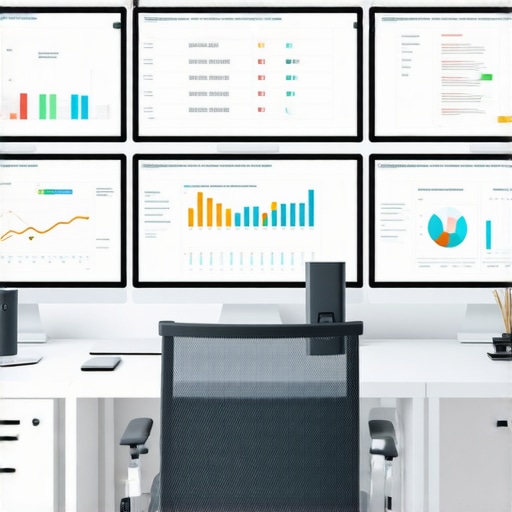
Prompt for Image: A modern CPA workspace showing multiple screens with analytics dashboards and secure document portals, illustrating technology-driven support.
Alt Text: Modern CPA office with data analysis tools and secure client portals for efficient audit support.
Lessons from the Front Lines of Audit Support
One of the most eye-opening lessons I learned was the importance of verifying the nuances that software simply can’t capture. I once overlooked a subtle classification error in a client’s digital asset reporting, which could have triggered a costly audit if not caught manually. That experience underscored that even in 2026, seasoned human judgment remains irreplaceable in complex scenarios.
Another key insight was understanding that automation isn’t a silver bullet. A misplaced payroll entry across multiple states went unnoticed by the system but was glaring to my experienced eye. This revealed the vital need to supplement tools with vigilant review processes, especially as new multi-jurisdictional rules emerge this year.
The third lesson was realizing how critical continuous education is. Staying updated on evolving regulations, like the latest changes in digital asset reporting, is essential to spot potential audit triggers before they escalate. Relying solely on outdated checklists can leave gaps in your defense.
Tools, Books, and Resources That Keep Me Sharp
My go-to resource for complex data analysis is 7 Real-Time Payroll Tactics. It helps me identify discrepancies early, especially amid recent payroll compliance updates. For staying informed on regulatory shifts, I rely on FinanceAuthoritys’ regulatory updates. When I need strategic insights, this comprehensive checklist ensures I don’t miss critical audit red flags. These tools and resources keep my approach rigorous and proactive.
Your Next Step Toward Confident Audit Support
Embrace the mindset that human oversight in audit support isn’t a fallback, but a strategic advantage. Continuous learning, smart tool integration, and keen judgment turn potential pitfalls into opportunities for exemplary service. The future of CPA services in 2026 hinges on this blend of advanced technology and seasoned expertise.
What’s one subtle audit detail you’ve learned to scrutinize more closely this year? Share your experience below—I’d love to hear your insights!