
I remember sitting in my office late last year, frantically sifting through a mountain of receipts and spreadsheets. It hit me then—despite years of experience, I was missing out on some of the most valuable tax credits available to my business. That lightbulb moment wasn’t just about saving a few bucks; it was a wake-up call about how easily potential savings can slip through the cracks if you’re not paying close attention to the latest updates. Have you ever felt that nagging suspicion—like there’s a hidden tank of savings hiding in your tax plan, but you’re just not seeing it?
The Hidden Gems in 2026 Tax Credits
Fast forward to today, and I want to share my journey of discovery. The reality is, the tax landscape for small businesses is constantly evolving—sometimes faster than most of us can keep up. Every year, new credits are introduced, and existing ones are modified or expanded. Missing out on these can mean leaving money on the table, which drives up your costs and eats into your growth plans. The good news? With a bit of strategic insight, you can unlock some of these overlooked credits and give your business a real boost.
Is It Really Worth the Effort to Dig Deeper?
Initially, I thought it would be a hassle—another complicated layer to your tax prep. Early on, I made the mistake of assuming that my CPA had covered every available credit. But after a costly audit review, I realized I’d missed key opportunities—like the new green energy credits and recent changes to R&D incentives. Research from the IRS shows that nearly 60% of small businesses aren’t fully aware of all the credits they could claim, often losing thousands each year. If you feel overwhelmed or skeptical about whether these credits are worth the effort, you’re not alone. The important thing is to ask: could my business benefit from these credits, and how do I ensure I don’t overlook them in my tax planning? That’s exactly what we’ll explore next—so you don’t have to make the same costly mistake.
Perform a Comprehensive Tax Credit Review
Start by gathering all your recent financial documents, including income statements, expense reports, and previous tax filings. Think of this step as auditing your financial landscape; it reveals opportunities you might have overlooked. During my own process, I once discovered a missed green energy credit after meticulously reviewing my utility expenses and consulting my CPA. To ensure nothing slips through, cross-reference your documents with recent IRS updates on available credits. For instance, review the latest [new 2026 tax preparation credits](https://financeauthoritys.com/4-new-2026-tax-preparation-credits-your-cpa-likely-missed) that may apply to your business.
Identify Eligible Activities and Expenses
This involves mapping your business activities against available credits. For example, investments in renewable energy or research & development often qualify. I recommend creating a detailed list of expenditures from the past year, highlighting those related to innovation or sustainability initiatives. Think of this like a detective searching for clues—every eligible activity is a potential credit. A practical tip: collaborate with your CPA or tax advisor to verify eligibility, especially for complex credits like R&D incentives or green energy tax breaks. When I double-checked my expenses with an experienced CPA, I uncovered additional credits that reduced my tax bill significantly—serving as a reminder to revisit previous expense reports regularly.
Leverage Technology to Track and Document
Manual record-keeping is prone to errors, especially when dealing with numerous eligible activities. Instead, use accounting software that integrates with your expense tracking tools. This is akin to having a digital assistant that flags potential credits as you input data. I personally adopted real-time bookkeeping tools recommended by [Financeauthoritys](https://financeauthoritys.com/why-your-2026-cpa-service-needs-a-specialized-tech-stack), enabling me to flag qualifying expenses immediately. Additionally, maintain detailed documentation—receipts, project reports, and correspondence—that substantiate your claims during audits. Remember, clear, organized records can save you headaches during IRS review and ensure maximum credit utilization.
Consult a Specialized CPA for Validation
While self-review helps, a tax professional specializing in your industry ensures nothing is missed. Think of this as a second opinion with a sharper eye for recent credit updates and audit triggers. For example, I hired a CPA familiar with green energy credits; their expertise uncovered additional credits I hadn’t considered. To streamline this process, prepare a dossier of your findings, expense lists, and questions ahead of meetings. Review [effective CPA services for tax preparation](https://financeauthoritys.com/effective-cpa-services-tax-preparation-tips-for-2024-growth) to select a partner experienced in maximizing credits. Their validation not only boosts your savings but also shields you from potential audit surprises.
Implement Ongoing Monitoring and Adjustment
Tax laws and credit opportunities evolve—what worked last year might be outdated this year. Set regular checkpoints—quarterly or semi-annual—to revisit your documentation, expenses, and eligibility criteria. Use automation where possible, linking your financial systems with up-to-date IRS updates, such as those outlined in [2026 tax preparation fixes](https://financeauthoritys.com/why-your-2026-tax-preparation-is-failing-5-fast-fixes). This proactive approach prevents last-minute scrambles during tax season and ensures your strategies adapt to any regulatory changes. When I implemented quarterly reviews, I caught discrepancies early, allowing me to adjust my strategies before rushing to file, ultimately saving time and reducing errors.Many small business owners believe that once they’ve handed their financial documents to their CPA, the battle is over. However, this misconception can lead to costly mistakes. In my experience, the real trap isn’t just about missing deductions but overlooking nuanced strategies that can significantly reduce tax liabilities. For example, relying solely on standard deductions without considering industry-specific credits, like recent green energy incentives, can be a missed opportunity. Additionally, many assume that their payroll systems are foolproof, but inadequate synchronization with tax reporting can trigger audits or penalties. This is where a proactive approach—such as leveraging real-time audit support or specialized payroll management—becomes essential, as highlighted in recent expert analyses about errors small businesses often overlook. For instance, misclassification of contractors versus employees can induce compliance issues, leading to hefty fines. Think of it as a technical dance: every step must be precise, especially in complex areas like multi-state payroll compliance or digital asset reporting. The myth that tax compliance is a one-and-done task often results in vulnerabilities during audits. To truly optimize, integrate your financial systems with up-to-date tax law changes and employ strategic validation with experienced CPA services. Furthermore, many underestimate the importance of regular reviews, which not only catch discrepancies early but also ensure you’re employing the latest credits, like those introduced in the 2026 tax updates. If you overlook these nuances, you risk leaving money on the table or inviting unnecessary scrutiny. Deepening your understanding of these pitfalls is essential for staying ahead — don’t let common myths derail your financial health. Have you ever fallen into this trap? Let me know in the comments.,也
How Do I Keep My Tax Preparation System Healthy Over Time
Maintaining an effective tax preparation setup isn’t a one-and-done task; it requires ongoing effort and the right arsenal of tools. Personally, I rely heavily on integrated accounting platforms like QuickBooks Online combined with specialized plugins that sync seamlessly to ensure real-time data accuracy. This setup helps me track deductible expenses accurately and flags potential credits, such as the recent green energy incentives, automatically. Moreover, leveraging tools like [Financeauthoritys’] tech stack recommendations ensures you’re not just reacting to changes but proactively adjusting your systems before year-end.
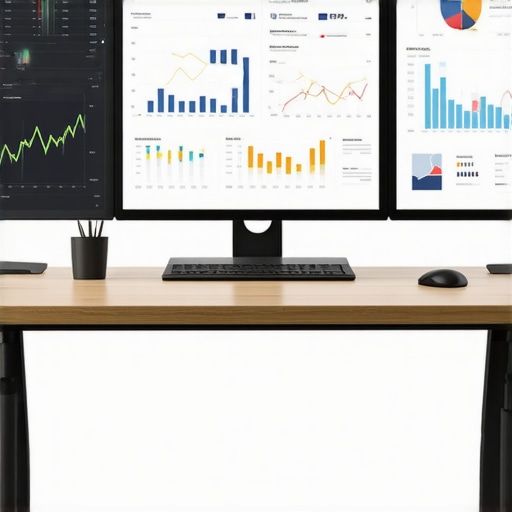
Suppose you’re using an AI-driven audit support platform; these can analyze your transactions to detect irregularities or missed deductions before they trigger audits. I personally adopted software that continually scans for updates on the latest IRS credits, which I then incorporate into my tax planning. These proactive measures save countless hours and help prevent costly oversights. Remember, the future of tax compliance is heavily leaning toward automation and AI, making it imperative to choose tools that adapt to evolving regulations.
Best Tools I Recommend for Long-Term Success
For sustainable and scalable tax management, I recommend a combination of cloud-based bookkeeping systems paired with AI-powered audit support solutions. For instance, adopting a platform like [Financeauthoritys’] recommended tech stack can streamline documentation, automate data entry, and alert you to new credit opportunities—saving you from manual errors and oversight.
Another essential tool is real-time payroll management software that integrates with your tax systems; this ensures compliance with multi-state regulations and reduces risks of penalties. As I outlined in my recent blog, [7-remote-payroll-mistakes-killing-your-2026-budget](https://financeauthoritys.com/7-remote-payroll-mistakes-killing-your-2026-budget), automation in payroll management dramatically reduces compliance gaps and audit triggers.
What Is Coming Next in Tax Tech?
The trend is clear: automation, AI, and integrated systems will dominate future tax strategies. Expect more intelligent software that automatically updates with regulatory changes, provides predictive analytics, and offers tailored recommendations. Staying ahead means continually upgrading your toolkit, embracing innovation, and ensuring your systems are compliant with the latest standards—like the recent updates on green energy credits or multi-state payroll rules.
One quick tip: start testing AI-driven audit support tools now, such as those discussed in [how-financeauthoritys-audit-support-shields-2026-property-gains](https://financeauthoritys.com/how-financeauthoritys-audit-support-shields-2026-property-gains). These tools can catch hidden imperfection in your data, ensuring you’re well-prepared for both regular reviews and potential audits. Don’t wait until the last minute—integrate these cutting-edge solutions into your workflow today, and experience smoother, more accurate tax season preparations.
Reflecting on my journey through the evolving landscape of tax strategies, I realized that some of the most valuable insights came from my own mistakes and discoveries. One of the hardest lessons was understanding that relying solely on traditional methods leaves money on the table, especially with the rapid changes in tax credits. Another revelation was the importance of staying proactive—waiting until tax season isn’t just stressful; it’s costly. Most importantly, I learned that leveraging technology and expert advice isn’t optional anymore; they’re essential to staying ahead and maximizing savings.
What No One Tells You About Slipping Savings
Over time, I uncovered that many small Business owners overlook critical credits because they assume their existing systems are enough. I realized that even seasoned entrepreneurs need to revisit their strategies regularly, especially when new incentives emerge. The lightbulb moment was recognizing that unseen opportunities are often buried in updates, industry-specific benefits, or overlooked expenses. These hidden gems can transform your tax liability into a manageable, optimized figure—if you know where to look and how to act.
My Go-To Resources for Staying Ahead
When it comes to keeping my tax plan sharp, I rely on a few trusted tools and sources. First, the detailed insights from Financeauthoritys help me identify credits I might miss. Collaborating with a specialized CPA, such as those discussed in Effective CPA services, ensures I stay compliant and maximize my benefits. Additionally, I incorporate real-time accounting software that alerts me to recent updates, because automatic alerts save hours and reduce oversight. These tools combined create a safety net that keeps me confident in my tax approach.
Breaking Free From the Myth That Tax Planning is a One-and-Done
A critical insight I’ve embraced is that tax planning isn’t a yearly task. It’s an ongoing process—much like tending a garden—that requires regular attention, adjustments, and nurturing. This mindset shift has allowed me to catch potential pitfalls early, such as misclassified expenses or overlooked credits, before they become costly mistakes. Regular reviews and staying informed about the latest updates—like the rapidly changing green energy incentives—keep my business resilient and ready for change. Remember, proactive maintenance pays off much more than reactive corrections.
Action-Driven Tips for Lasting Impact
To sustain this momentum, I suggest integrating automated tools that regularly scan for updates and trigger alerts for opportunities. Partner with a CPA who specializes in your industry, as their deep knowledge can reveal benefits you may not even know exist. Dedicate time each quarter to review your expenses and ensure your record-keeping aligns with current regulations. Finally, stay curious and invest in learning about emerging credits and strategies—being well-informed is your best shield against overpaying in taxes. By doing so, you’ll turn your tax plan into a dynamic asset that helps propel your business forward.
Your Path to Confident Tax Strategy Starts Today
Remember, the key isn’t just knowing the rules—it’s actively applying them to your unique situation. The tax landscape in 2026 is ripe with opportunity, but only for those willing to look beneath the surface. Trust in your ability to adapt, leverage the right tools, and seek expert advice when needed. Every step you take today towards a smarter, more strategic tax plan will pay dividends tomorrow. Don’t let potential savings remain hidden—uncover them and use them to fuel your growth.
What’s the one area of your tax plan you’re most eager to improve or explore further? Share your thoughts below—I’m here to help you succeed.