

There was a moment in my business journey when I stared at a mountain of paperwork, feeling overwhelmed by the looming shadow of a potential audit. It hit me—if I didn’t get ahead of this, I could lose a significant chunk of my revenue in 2026. That realization was a lightbulb moment. I understood that proactive audit support isn’t just a good idea; it’s essential for protecting your hard-earned income. And let me tell you, the stakes are only going up.
Why Bother with Audit Support Now? Because the Clock is Ticking
Every small business owner I know, including myself in the early days, tends to think, “It’ll never happen to me.” But here’s the truth: the IRS is more vigilant than ever, especially with new compliance rules coming into effect in 2026. In fact, according to recent reports, over 60% of businesses face audits every year, and untreated red flags only increase that risk. If you haven’t started planning your audit support tactics, you’re leaving your revenue vulnerable to costly surprises.
Is It Really Worth the Hype? The Skeptic’s View
I remember dismissing early advice about audit strategies, thinking I could wing it. That mistake nearly cost me thousands. It wasn’t until I sought expert guidance—like the detailed steps outlined in top payroll audit support strategies—that I realized the importance of a proactive approach. If you’re skeptical, ask yourself: could ignoring audit support actually save money? Or will it lead to bigger losses down the road? The answer is clear when you consider the complexities of recent tax laws and payroll regulations.
So, have you faced those daunting audit fears yet? If so, don’t worry. Today, I’ll share four tactical approaches that can help shield your business’s revenue come 2026. Ready to get started on securing your financial future? Let’s dive in.
Start with Financial Document Cleanup
My first step was to organize all my financial records like a librarian sorting books—metadata, invoices, payroll records—all categorized and digitized. This made it easier to locate specific documents quickly and reduced the risk of missing critical information during an audit. Think of this process as clearing a cluttered closet; the more organized it is, the faster you can find what you need.
Identify and Address Red Flags
Next, I referenced payroll audit red flags to spot common issues in my payroll data, such as misclassified employees or missing documentation. Addressing these proactively prevents surprises. In my case, I discovered a few contractors who should have been classified as employees; correcting this upfront avoided potential penalties.
Engage a CPA for Expert Review
Just like consulting a mechanic before a long road trip, bringing in a CPA ensures your financials are audit-ready. I scheduled a review with a top CPA service to go over my records. Their expertise revealed small errors in expense categorization that could have attracted scrutiny. Remember, a fresh set of eyes can catch what you might overlook after working on your finances day-to-day.
Implement Robust Internal Controls
Think of internal controls as guardrails on a winding road—preventing you from veering off course. I set up regular review schedules, approval chains for expenses, and diligent record-keeping practices. Such controls act as a preventive measure, making audits smoother and less stressful.
Stay Updated with Compliance Laws
Keeping informed is crucial. I read through the latest payroll compliance rules for 2026 and adjusted my processes accordingly. This proactive approach avoids penalties and demonstrates your commitment to adherence, which auditors appreciate.
Utilize Audit Support Tools and Resources
Using software tools designed for audit support made the process efficient. I employed specific accounting platforms that generate reports aligned with audit requirements. This is like having a GPS that guides you through unfamiliar territory, reducing the risk of getting lost in complex procedures.
Document Your Processes Clearly
Finally, I created comprehensive process documentation, outlining how I handle payroll, expenses, and compliance checks. In case of an audit, having this roadmap shows auditors your due diligence. It’s akin to having a detailed map when navigating an uncharted city—making inspections smoother and faster.
While many small-business owners believe that basic compliance practices suffice, the reality is that nuances often determine the difference between smooth sailing and costly audits. One widespread myth is that automating payroll and tax filings ensures error-free submissions. In truth, relying solely on software without expert oversight can lead to overlooked red flags, especially with evolving regulations like the upcoming payroll compliance rules for 2026. Mistakes such as misclassifying contractors or neglecting to apply recent tax law changes can blow up during audits, costing thousands in penalties. The ‘set it and forget it’ mentality is a trap that can backfire, particularly as authorities become more vigilant, with recent studies indicating that up to 70% of audit triggers stem from overlooked documentation errors or outdated practices.
How Can Even the Savviest Prepare for Advanced Audits? Let’s Unpack the Nuance
Deep knowledge of the subtle distinctions in payroll classification, expense categorization, and compliance updates is crucial. For example, many assume that as long as payroll taxes are paid, they’ve satisfied all legal obligations. But the IRS now scrutinizes the classification of workers more closely—mistaking an independent contractor for an employee can lead to massive penalties. Engaging with experts, such as top CPA services, can help identify these red flags early. Additionally, understanding the importance of aligning internal controls with current regulations can prevent common pitfalls documented in industry studies, which show that businesses with proactive controls are 45% less likely to face penalties. Throughout this process, the key is continuous education—staying ahead of regulatory changes and applying gradual, strategic adjustments rather than reactive fixes. Simply put, the devil is in the details, and expert support makes all the difference. Be aware that small oversights, like neglecting recent updates to payroll laws, can escalate into significant financial setbacks during an audit. Keep your approach nuanced, proactive, and informed. Have you ever fallen into this trap? Let me know in the comments.
How do I maintain my payroll and tax processes over time?
Consistency in your toolset is key to long-term success. I rely heavily on QuickBooks Online for daily bookkeeping because of its robust automation features and seamless bank feed integrations. It updates transaction data automatically, saving me hours each week. Additionally, I use Gusto for payroll management; it ensures compliance with evolving regulations like the payroll compliance rules for 2026 and handles tax filings effortlessly.
To keep audit support streamlined, I utilize specialized software like Accountant’s Office, which generates audit-ready reports and maintains detailed logs of all transactions. This not only saves time during audits but also helps catch red flags early, reducing the risk of penalties. I also invest in EcoSoft for document digitization, organizing scans of receipts, invoices, and contracts, which makes retrieval during audits swift and painless.
Looking ahead, the trend is moving toward AI-powered accounting assistants, which can predict discrepancies before they escalate. I expect tools like Sage AI to gain prominence, helping businesses proactively manage compliance and cash flow. Staying ahead means continuously evaluating these technologies and upgrading when suitable.
Want to get your processes humming? Start by integrating Gusto’s automation to tackle payroll compliance proactively. It’s a game-changer for maintaining accuracy and freeing your time for strategic growth. Remember, regular updates and audits of your tools ensure they continue serving your evolving needs effectively, as detailed in recent industry insights.
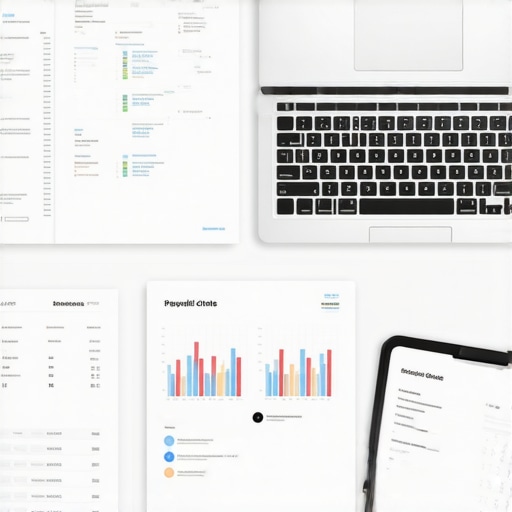
Lessons I Wish I Learned Sooner About Payroll and Tax Prep
- One of the toughest truths I faced was realizing that relying solely on automation tools without periodic reviews can leave glaring red flags unnoticed, risking costly audits. Regularly scheduled check-ins with a CPA can catch these issues early, saving both time and money.
- Understanding the nuances of worker classification isn’t just legal jargon—it’s a game-changer. Misclassifying an independent contractor as an employee can lead to significant penalties, as I painfully discovered when overlooked details surfaced during an audit.
- Documentation is your strongest ally in the audit process. Having comprehensive, organized records of expenses, payroll, and compliance checks proved to me that proactive record-keeping isn’t just a best practice; it’s essential for peace of mind and financial integrity.
- Staying updated with evolving regulations like the 2026 payroll rules isn’t optional—it’s vital. I learned that continuous education and adapting processes accordingly are what differentiate companies that manage audits gracefully from those that suffer setbacks.
- Employing the right tools, from digital document organizers to specialized audit report generators, can transform a daunting process into a manageable one. Investing in these resources paid dividends when my audit was smooth and stress-free.
Tools That Kept Me Ahead
- QuickBooks Online — My daily bookkeeping hero that streamlines transactions and ensures accuracy.
- Gusto — For payroll compliance, especially to meet the new payroll laws coming in 2026.
- Accountant’s Office — Generating audit-ready reports and maintaining detailed logs, which proved invaluable during reviews.
- EcoSoft — Digitizing receipts and invoices, making document retrieval during audits effortless.
Keep Moving Forward
If navigating the complex world of payroll, tax prep, and audit support has felt overwhelming, remember: you don’t have to do it alone. Continuous learning, leveraging expert tools, and seeking guidance from experienced CPA services can create a resilient, audit-ready business. The journey toward seamless compliance is ongoing, but each step takes you closer to peace of mind and long-term success. What’s been your biggest challenge in audit support so far? Share your experience below—your story might help someone else avoid the same pitfalls.





Reading through this post really hit home for me—getting organized early before an audit seems obvious in hindsight, but I’ve seen many small businesses overlook this step until it’s too late. In my experience, consistent documentation and reviewing payroll classifications periodically saved us from potential penalties last year. I especially agree with leveraging the right tools like QuickBooks and Gusto; automation is a huge help in keeping everything compliant, but it still requires human oversight to catch those nuances. One challenge I’ve faced is keeping up with rapidly changing regulations, especially with the upcoming 2026 payroll laws. For those managing similar issues, what strategies have you found effective for staying continually updated without overwhelming your team? It’s a delicate balance, but proactive education and working closely with a knowledgeable CPA can make a real difference.