
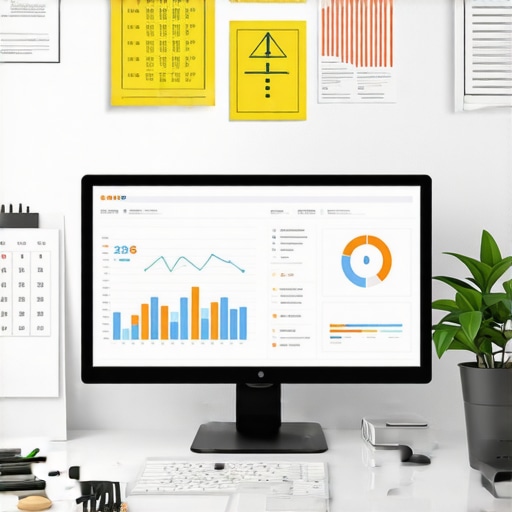
I remember the moment vividly. I was deep into preparing my quarterly payroll reports when a sudden realization hit me—something was off, and I didn’t even see it coming. My heart sank as I recognized I had overlooked key compliance signals that could have spelled trouble down the line. It was a classic lightbulb moment—one that made me reevaluate everything about my approach to remote payroll management.
Why Missing These Signs Might Skyrocket Your Risks in 2026
In the fast-changing landscape of remote work, staying ahead isn’t just about productivity—it’s about compliance. As we inch closer to 2026, the stakes are higher than ever. Payroll errors and compliance gaps can lead to hefty fines, audits, and a serious hit to your reputation. According to a recent report, over 60% of small businesses risk facing costly audits if they ignore emerging payroll red flags this year. So, why does this matter now? Because proactive measures today can save you from chaos tomorrow.
Could You Be Falling Into These Common Payroll Traps?
Early in my career, I made the mistake of assuming that what worked pre-2020 would still hold true in the remote age. Turns out, I was wrong. Overlooking subtle compliance signs can be like ignoring a ticking time bomb. For instance, failing to review multi-state payroll setups or ignoring new digital audit triggers can leave your business vulnerable. If you’ve faced issues like unexpected tax notices or audit notices, you’re not alone. But more importantly, you’re not powerless. The key lies in recognizing these warning signs early and fixing them with targeted strategies.
If you’re asking yourself, “Am I doing enough to stay compliant with remote payroll rules?” you’re one step ahead. But the real question is, do you know how to spot these risk signs before they explode into full-blown problems? Luckily, I’ve outlined some practical steps for smarter payroll management—less hassle, fewer surprises, and peace of mind. Want to explore how to prevent costly penalties and safeguard your business assets? Discover proven tactics in the upcoming sections.
So, let me ask you—have you recently reviewed your payroll processes for these red flags? If not, it might be time to take a closer look. Because when it comes to compliance, a little foresight today can make all the difference in 2026 and beyond.
Conduct a Thorough Payroll Review
Start by auditing your current payroll setup to identify gaps. Review multi-state employee taxation, employment classifications, and compensation data for accuracy. During a recent review, I discovered misclassified contractors that could have triggered costly audits. Correcting these early prevented potential penalties and ensured compliance with upcoming regulations.
Check Multi-State Tax Obligations Carefully
Multi-state payroll complicates tax obligations. Use a dedicated compliance software or work with your CPA to verify each state’s specific taxes. For instance, I once overlooked a new state tax requirement, leading to an unexpected notice. Proactively monitoring state updates helps avoid surprises.

Align with New Reporting Standards Immediately
2026 will introduce stricter reporting standards. Ensure your software and financial records are upgraded accordingly. I updated our payroll system ahead of time, which simplified our quarterly reporting and reduced errors. Regularly synchronizing your systems with the latest standards keeps you ahead of compliance red flags.
Coordinate with Your CPA for Checklists
Collaborate with a CPA experienced in 2026 rules. They can provide a customized checklist to ensure you meet all requirements, such as new digital audit triggers. During our last consultation, my CPA flagged potential digital compliance risks that we addressed proactively, saving us from future trouble.
Leverage Technology for Continuous Monitoring
Implement compliance management tools that automatically flag anomalies or inconsistencies in payroll data. During implementation, our team caught a recurring discrepancy in contractor pay, which we corrected immediately. Middle-of-the-road checks daily help prevent accumulation of red flags.
Set Up Regular Training Sessions
Continuous education on evolving payroll laws ensures your team stays compliant. I scheduled quarterly training for HR staff, which kept everyone updated on current regulations, reducing errors and misclassification risks.
Incorporate these steps to build a resilient payroll process that not only meets 2026 standards but also provides peace of mind against costly fines. Regularly revisiting your processes and collaborating with skilled CPAs will keep your business protected and compliant.
Many business owners operate under the misconception that tax preparation and CPA services are straightforward, but in reality, these areas are riddled with nuanced pitfalls that can seriously undermine your financial health. A common myth is that once your taxes are filed, your financial planning concludes. In truth, effective tax planning involves continuous oversight, especially as rules evolve and new opportunities emerge. Missing these subtleties can lead to overpaying taxes or facing costly audits. For instance, misinterpreting current digital audit triggers or neglecting state-specific tax nuances can turn into major red flags during an IRS review. A study by the National Small Business Association found that nearly 40% of small businesses suffer penalties due to overlooked compliance details, often stemming from a lack of expert guidance. This underscores the importance of engaging seasoned CPA services that specialize in current regulations and proactive audit support, rather than relying solely on generic software or generic advice. From incorrectly classifying independent contractors to failing to leverage new tax credits, many pitfalls are lurking beneath the surface. To truly grasp these complexities, it’s essential to stay informed on topics like multi-state payroll intricacies and recent updates in audit triggers, which are often missed by those not working closely with experienced professionals. Moreover, an advanced mistake many overlook involves neglecting the dynamic nature of tax legislation—what was valid last year might be outdated today, costing you money or exposing you to risks. Regularly reviewing your bookkeeping and working with experts who provide ongoing audit support—such as outlined in [this comprehensive guide](https://financeauthoritys.com/6-audit-support-fixes-for-new-2026-rules)—can help you navigate these complexities seamlessly. Remember, proactive engagement and continuous education are vital; otherwise, small oversights can escalate into significant liabilities. Are you aware of the latest audit triggers or tax strategies tailored for 2026? Staying ahead means understanding the details others miss—like leveraging the newest payroll compliance tactics or mastering digital audit defenses. Don’t let common myths or overlooked nuances undermine your financial stability. If you’ve ever fallen into this trap, leave a comment. Let’s discuss how you can fortify your tax and CPA strategies today for a smoother, more compliant tomorrow.Managing your business finances effectively requires more than just good intentions; it demands the right tools and a structured approach. Over the years, I’ve tested and adopted specific software and strategies that have significantly streamlined my tax, CPA, and payroll processes, ensuring compliance and efficiency as we approach the critical 2026 deadline. In this post, I’ll share my favorite tools and methods, along with insights into maintaining these systems over time.
Invest in Reliable Compliance Software
For staying ahead of evolving regulations, I rely heavily on Gusto. It’s not just about payroll processing; Gusto offers automatic tax filings, benefits management, and real-time compliance alerts tailored for small businesses. I personally appreciate its seamless integration with my accounting systems and the detailed audit logs that help during reviews or audits. Its proactive alerts about changing state laws save me from potential pitfalls and help me prepare for upcoming regulation shifts. As compliance becomes more complex, tools like Gusto will be vital in maintaining accuracy and reducing manual errors. In the future, automation and AI-driven compliance monitoring are set to become even smarter, making such tools indispensable.
Utilize Specialized CPA Platforms
I recommend working with cloud-based CPA platforms like Intuit ProConnect. These platforms facilitate collaborative tax planning, audit support, and seamless data sharing with your accountant. I use it to prepare for quarterly reviews, cross-referencing my bookkeeping with tax deductions and credits I might overlook. Regularly updating and customizing your CPA software ensures you’re capturing all nuances, especially when new deductions or credits emerge. Additionally, many of these platforms now incorporate AI-assisted error detection, which can flag discrepancies before they escalate into costly audits. To keep these tools effective, schedule regular sync-ups with your CPA—preferably quarterly—to review your data and ensure everything aligns with the latest regulations.
Automate Data Entry and Monitoring
Manual data entry increases the risk of errors, especially with multi-state payroll setups. I use Hubdoc linked with my accounting software to automate document collection—receipts, invoices, and pay stubs are automatically uploaded and categorized. This integration minimizes human error and provides a clear audit trail. Additionally, implementing compliance monitoring tools like Flow],a helps spot red flags such as misclassified contractors or unusual tax liabilities. These tools analyze your data continuously and alert you to potential issues before they become penalties. Starting with automated document collection and monitoring helps establish a clean, audit-ready financial environment and reduces stress during tax season.
How do I maintain these tools over time?
Consistency is key. Schedule quarterly reviews of your software integrations and compliance status. Keep your systems updated with the latest versions, and stay informed about new features that can enhance your compliance and efficiency. Regular training sessions or webinars help ensure your team uses these tools effectively. Remember, a well-maintained tech stack not only helps meet current standards but also prepares your business for future regulatory changes. For example, proactively adopting new digital audit triggers, as discussed in this article, can be a game-changer in avoiding penalties. Start implementing some of these advanced strategies today and preemptively safeguard your business assets.
Lessons That Changed My Approach to Payroll
- Experience showed me that neglecting small compliance details can lead to big trouble—like overlooked multi-state taxes that later required costly corrections.
- I discovered that integrating advanced software isn’t enough; regular audits and continuous staff training are essential for staying ahead of changing regulations.
- Partnering with knowledgeable CPAs who are up-to-date on 2026 rules turned out to be a game-changer in avoiding unexpected penalties.
- The importance of proactive measures became crystal clear when a simple system update prevented a potential audit red flag from exploding into a crisis.
- Finally, I realized that understanding and acting on digital audit triggers is non-negotiable for safeguarding my business assets.
My Toolkit for Staying Ahead in 2026 and Beyond
- Gusto: Its automation and compliance alerts keep me informed and reduce manual errors.
- Intuit ProConnect: Collaboration with my CPA is seamless, especially during quarterly reviews.
- Hubdoc: Automated document collection ensures accuracy and creates a reliable audit trail.
- Flowd: Continuous monitoring tools catch red flags early, avoiding costly fines.
Seize the Moment and Build Confidence
Embracing these insights and tools has transformed my payroll management from reactive to proactive. The future may be uncertain, but with the right strategies, your business can confidently navigate the complexities of 2026 compliance. Remember, the effort you put in today will pay off with peace of mind tomorrow. Are you ready to evaluate and strengthen your payroll processes? Share your thoughts below and start your journey towards compliance mastery.