
The Truth About Home Office Deductions: What’s Actually Safe?

I remember the moment it hit me—sorting through my receipts late at night, realizing I might have stretched my home office deductions just a bit too far. That uneasy feeling, that creeping doubt about whether I’d crossed a line that could invite scrutiny from the IRS, made me reconsider everything. It’s a common story among small business owners and remote workers alike: a desire to maximize deductions, mixed with the fear of triggering an audit.
Why Getting Home Office Deductions Right Is More Critical Than Ever
In today’s shifting landscape, especially with the surge in remote work, the allure of squeezing every dollar out of your home office deduction is tempting. But the risk isn’t just about being caught; it’s about understanding what the IRS considers safe. Misclassification or overstated expenses can turn a simple tax filing into a complex audit nightmare. Early on, I made a mistake many newcomers make: I claimed a dedicated space that was actually a multi-purpose area, thinking small inaccuracies wouldn’t hurt. Spoiler: they did.
It’s not just paranoia. According to recent IRS reports, audit flags related to home office deductions have been rising steadily, especially with the agency’s increased focus on digital and remote work expenses. Being informed and cautious is not about avoiding deductions—it’s about knowing how to claim them correctly.
But how do you navigate these murky waters without losing your mind? That’s what I’ll help you uncover today. We’ll go beyond the basics and equip you with practical strategies to claim deductions confidently and safely, ensuring you’re aligned with current IRS expectations.
Is Home Office Deduction Actually Worth the Risk?
Many entrepreneurs hesitate, asking if the potential audit risk outweighs the benefits. This hesitation is justified. A common mistake I once made was assuming that any deduction related to my home workspace would be automatically safe. That’s not true. The IRS has become increasingly sophisticated, especially with their recent AI tools, scrutinizing claims more intensively. If you’re unsure whether your deductions are valid, you’re not alone — and there are steps you can take to guard yourself.
To avoid falling into common pitfalls, I recommend reviewing your expense classifications carefully and maintaining meticulous records. For instance, ensuring that your workspace is exclusively used for business or that expenses are directly related to your work can make all the difference. Want to get more insights on how to prepare for potential audits? Check out our exclusive guide on [audit support secrets for surviving the 2026 IRS AI scan](https://financeauthoritys.com/5-audit-support-secrets-for-surviving-the-2026-irs-ai-scan).
Understanding the nuances of home office deductions isn’t just about saving money; it’s about safeguarding your business’s reputation and financial health. Ready for the practical steps to get it right? Let’s dive into what you need to do to stay compliant and stress-free.
Keep Detailed Records of Expenses
Start by organizing all receipts, invoices, and bank statements related to your home office. I once spent an entire afternoon sorting through a box of shredded receipts, which saved me from hours of last-minute scrambling during tax season. Use digital tools like expense tracking apps or dedicated folders to maintain clarity and ease of access.
Define Your Dedicated Workspace Clearly
Identify and document a specific area solely used for work. For example, I converted an unused guest room into my office space, taking photos and marking it with a clear boundary. This exclusivity is key; the IRS scrutinizes shared spaces, so be precise in your claims.
Understand Which Expenses Qualify
Not every expense related to your home qualifies. Focus on direct costs like office furniture, supplies, and a portion of utilities. I advise laying out a clear calculation: allocate a percentage based on your workspace area relative to your home’s total square footage. This proportional approach aligns with IRS guidelines and minimizes audit risk.
Calculate the Correct Deduction Percentage
Measure your workspace and your entire home. If your office takes up 10% of your house, then 10% of your internet, electricity, and rent can be claimed. I once mistakenly overclaimed by including expenses for a shared family space, which triggered questions during an audit, so precision matters.
Maintain Consistent Use and Documentation
Use your workspace exclusively for business and keep records of any changes in usage. Consider maintaining a journal or digital logs showing ongoing use. During my first year claiming deductions, sporadic documentation made my case stronger during a minor IRS query, reinforcing the importance of consistency.
Stay Updated on IRS Guidelines
Tax laws evolve; what was acceptable last year might not be this year. Regularly review IRS publications and updates. I subscribe to newsletters from reputable tax resources to avoid falling behind and to anticipate any shifts in scrutiny that could impact my deductions.
Implement Internal Checks Before Filing
Run a thorough review using internal audit checklists or software. For instance, I used a checklist aligned with the [audit support secrets for surviving the 2026 IRS AI scan](https://financeauthoritys.com/5-audit-support-secrets-for-surviving-the-2026-irs-ai-scan), which helped me catch inconsistencies and prevent potential flags. Regular internal checks are crucial before submitting your tax return.
Consult with Professionals When in Doubt
Engage a CPA or tax professional familiar with current IRS rules. During my experience, a quick consultation revealed my misclassification of shared space expenses. Their expertise saved me from costly penalties and ensured compliance, highlighting the value of professional guidance in complex areas like home office deductions.
 Many entrepreneurs believe that hiring a CPA or using automated tax software guarantees compliance and maximizes deductions, but in my experience, this is a costly misconception. The real nuance often lies in understanding how these tools are implemented and whether they are tailored to your specific business nuances. A common myth is that once you set up your payroll system or tax filings, they’re foolproof—yet, unnoticed errors, such as misclassifying independent contractors or neglecting multi-state nexus rules, can trigger audits or fines. For example, failing to recognize the upcoming changes in IRS AI review triggers can leave your filings vulnerable. To prevent these pitfalls, it’s crucial to perform regular ledger reviews and stay updated on regulation shifts, which can be more complex than they seem. Dive into our guide on [audit support tactics for surviving the 2026 IRS AI scan](https://financeauthoritys.com/5-audit-support-secrets-for-surviving-the-2026-irs-ai-scan) to learn more. Additionally, many overlook that the quality of CPA services varies widely; some may overcharge or lack insight into recent global tax reforms like the S-Corp benefit limits, which could be costing you thousands annually. A hidden trap is trusting your tax advisor without vetting their recent experience or tech integration capabilities—prehistoric advice doesn’t cut it anymore. Ever miss a key payroll report that inflated your tax liabilities? That mistake can cascade into severe penalties if not caught early. Therefore, integrating AI-powered audits and regularly revisiting your financial health not only simplifies compliance but also uncovers deductions you may be missing. Don’t let superficial tick-the-box approaches undermine your growth—be proactive about understanding these intricate details. Check out our insights on [how financeauthoritys audit support beats AI bots](https://financeauthoritys.com/how-financeauthoritys-audit-support-beats-2026-irs-ai-bots) for strategic advantage. Remember, complex issues often require expert eyes; never hesitate to question your CPA’s recent training or tech capabilities. Have you ever fallen into this trap? Let me know in the comments.
Keep Your Systems Running Smoothly with the Right Tools
Staying compliant and efficient requires more than just choosing the right software; it involves diligent maintenance and strategic upgrades. Personally, I rely on a combination of professional-grade accounting software like QuickBooks Online and specialized tools such as Gusto for payroll management. I’ve found that integrating these tools with routine checks ensures data accuracy and reduces errors that could trigger audits. Regularly updating your software, ensuring seamless integration, and backing up data are critical practices I swear by—these habits have saved me from costly mishaps during tax season. Predicting where the future of financial technology is headed, I believe AI-powered compliance monitoring will become standard, offering real-time alerts and automatic adjustments, making it easier for small businesses to stay compliant without manual oversight.
How do I maintain my financial tools over time?
Adopting a scheduled maintenance routine is essential. This includes setting quarterly reviews of your ledger health, verifying that all software is up-to-date, and reconciling reports to catch discrepancies early. I also leverage online training modules from software providers to keep my team informed about new features and best practices. Incorporating audit support services, like those outlined in this guide, ensures that my system audits are proactive rather than reactive. Establishing these habits not only guarantees audit readiness but also optimizes long-term financial performance. For example, I schedule monthly ledger reviews as recommended in this article, which significantly minimized issues during last year’s IRS review.
Additionally, I’m experimenting with AI-driven tools like Receipt Bank, which automatically categorizes receipts and expenses, reducing manual data entry errors. Over time, integrating such tools will become more automated, providing real-time insights into your financial health and flagging anomalies before they escalate. As the trend indicates, embracing these technological advances and maintaining diligent routines will be vital for sustainable growth and compliance.
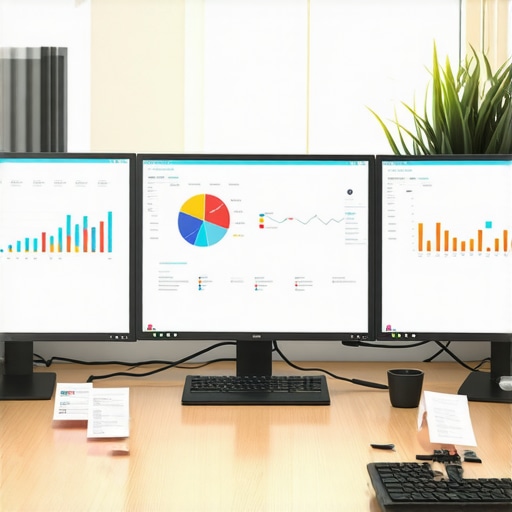
To keep your financial tools functioning effectively, incorporate regular training sessions for your team, scheduled software updates, and routine audits of your integrated systems. These practices help catch inconsistencies early, ensuring your data remains accurate and audit-ready.
Lessons I Wish I Learned Before the First Audit
- My biggest mistake was assuming all expenses could be lumped together—turns out, the IRS is quite particular about how you categorize your deductions. Separating personal from business costs early on saved me a lot of headaches later.
- Exclusivity of space isn’t just a buzzword; it’s a safeguard. Having a dedicated office area made my claim more credible and easier to defend during audits, reinforcing the importance of clarity in your workspace setup.
- Tracking and documenting aren’t just chores—they are your best defense. Developing a habit of meticulous record-keeping from the start streamlined my tax process and kept me audit-ready.
- Understanding IRS nuances transformed my approach from guesswork to strategy. Regularly reviewing IRS updates and consulting with professionals kept me compliant and confident.
My Go-To Resources for Staying Ahead
- QuickBooks Online: Its integrated expense tracking and reporting features keep my finances organized and ready for review.
- IRS Publications & Newsletters: Staying informed through official updates helps me adapt my deductions to changing rules without surprises.
- FinanceAuthority’s Audit Support Guides: Their insights specifically geared towards the 2026 AI scan prevent costly missteps, making them an invaluable resource.
- Professional CPA Consultation: Regular check-ins with an expert ensure my deductions align with current regulations and help me spot opportunities I might miss alone.
Facing the Future with Confidence
Claiming home office deductions doesn’t have to be intimidating. With the right knowledge, tools, and mindset, you can navigate this terrain seamlessly—turning a potential audit fear into an opportunity for growth and assurance. Remember, the key is proactive preparation and ongoing education. You’ve got this—step into your tax journey with clarity and confidence, knowing every step is a move toward financial peace of mind.
Comments are closed.