
4 Red Flags in Your General Ledger That Practically Invite an Audit

I remember the sinking feeling back in my early days as a CPA when I stumbled upon a client’s ledger filled with questionable entries. It was a routine review that turned into a full-blown audit chaos, all because of just a few overlooked red flags. That moment taught me a powerful lesson: small inconsistencies or suspicious entries in your general ledger can inadvertently invite auditors knocking at your door. And the worst part? Many small business owners aren’t even aware these flags are waving. They treat their books like a necessary evil rather than a strategic shield against costly scrutiny.
Why Ignoring Ledger Red Flags Can Cost You Big Time
As someone who’s seen how easily an audit can spiral out of control, I can assure you that the stakes are higher than most realize. A single incorrect entry or missing documentation can be all an auditor needs to start digging deeper, exposing issues you didn’t even know existed. The problem is, these red flags are not always obvious. They’re often subtle clues hiding in plain sight, waiting for an auditor’s keen eye to pick up on them.
But here’s the good news: recognizing these warning signs early can save you from sleepless nights and hefty penalties. Being proactive by understanding what these flags look like—and how they come to be—can make all the difference in avoiding unnecessary audits. I’ve learned through my experience that when owners ignore these signs, it’s like leaving your front door wide open for auditors to stroll in without warning.
Is Your Ledger Telling You to Watch Out?
One mistake I made early on was assuming that as long as the numbers balanced, I was in the clear. That false confidence often led to overlooking discrepancies, which later became audit red flags. It’s a common trap many fall into, but it’s crucial to realize that a ledger’s accuracy isn’t just about balance sheets—it’s about consistency, complete documentation, and logical transaction flows. To get ahead, I recommend consulting resources on optimizing your chart of accounts for better clarity and compliance.
Now, if you’ve ever encountered tight deadlines, suspicious transactions, or unexplained ledger adjustments, you’re not alone. These are classic red flags, and recognizing them early can dramatically improve your chances of avoiding an audit—or at least being prepared if one occurs. The next step is to arm yourself with specific knowledge on how these flags manifest and what you can do about them. Trust me, understanding the nuances of your ledger isn’t just good practice; it’s a necessary shield against the audit pitfalls ahead.
Audit-proof Your Ledger with Precise Reconciliation
The first concrete step I took was implementing a strict monthly reconciliation process. I scheduled dedicated time to cross-verify every ledger entry against bank statements, much like a detective matching clues to solve a case. I used accounting software that simplified this process, but I still performed manual spot checks on high-value transactions. This approach caught minor discrepancies early, preventing them from snowballing into audit triggers. To streamline your process, consider using tools that automatically flag inconsistencies, and always keep copies of supporting documents, especially for unusual entries.
Automate Data Entry to Minimize Errors
Next, I shifted towards automating manual data entries. Manual input is the Achilles’ heel of ledger accuracy—think of it as fogging your glasses when trying to see clearly. By integrating bank feeds directly into my accounting software, I reduced human error, ensuring that data flows seamlessly. This not only saves time but builds a reliable audit trail. For complex transactions, I established standardized coding conventions—similar to a coding language—that made it easier to trace and verify entries during audits. Explore resources on optimizing your chart of accounts to set up a structure that promotes clarity and compliance from the start.
Identify and Correct Red Flags Proactively
My third step was to develop a red flag detection system. I looked for common signs like sudden ledger adjustments, unexplained expenses, or entries just below materiality thresholds. Imagine walking through a maze; these flags are like signs pointing to potential dead ends or traps. Once identified, I investigated these entries immediately, verifying their legitimacy with attached documentation. This habit is akin to a mechanic inspecting a car’s engine before long road trips, preventing breakdowns. Use checklists to standardize this process, and consider leveraging resources on red flag indicators to refine your detection criteria.
Document Everything to Build an Ironclad Record
Finally, I made sure every transaction had corresponding documentation—receipts, invoices, contracts. Think of this as assembling an airtight alibi for each ledger entry. In practice, I created digital folders sorted by date and category, associated receipts with their ledger entries in the accounting system. This habit turned out to be invaluable during audits, providing instant proof of legitimacy. Regularly reviewing and updating documentation protocols ensures ongoing compliance. Remember, the more thoroughly you document, the less likely auditors will find gaps that invite unnecessary scrutiny.
In my experience, these steps—rigorous reconciliation, automation of data entry, proactive flag detection, and meticulous documentation—are the backbone of an audit-resistant ledger. Integrating them into your routine transforms your books from a ticking time bomb into a strategic shield, giving you peace of mind and saving costly trouble down the road.Many entrepreneurs assume that hiring a CPA means handing over their books and trusting that everything will be taken care of flawlessly. However, this misconception often leads to dangerous complacency. In my experience, one of the biggest mistakes is relying solely on the accountant to identify errors or red flags without maintaining an active understanding of the nuances involved. For example, some believe that once a CPA handles their filings, there’s little need to scrutinize their financials—yet, in-depth knowledge about topics like depreciation schedules or multi-state payroll nexus can save a business from costly surprises. An advanced mistake I often see is companies neglecting the importance of thorough chart-of-accounts optimization; this can obscure financial clarity and invite unnecessary audits. Check out how to refine your accounts for better compliance and easier tax filing at https://financeauthoritys.com/how-to-optimize-your-chart-of-accounts-for-easier-tax-filing. Additionally, many owners believe that payroll is a straightforward process handled once and then forgotten. This can be a trap, especially as laws evolve, like the upcoming changes requiring careful tracking of remote workers across various states. Automation and regular audits of payroll systems—see https://financeauthoritys.com/4-payroll-leaks-that-drain-profits-when-hiring-cross-state-lines—are essential to prevent leaks and penalties. Ever wondered if your follow-up strategies could be missing critical red flags? For instance, a sudden ledger adjustment might seem benign but could actually indicate misclassified expenses or manipulation, increasing audit risk if not caught early. I recommend developing proactive detection routines aligned with expert insights from https://financeauthoritys.com/5-red-flags-that-make-auditors-look-closer-at-your-books. Now, considering the intricacies of audit support, many believe that once a support system is in place, they are immune to audit complications. The truth is, a detailed, regularly updated documentation process—digital receipts, clear transaction explanations—is your best defense. As discussed in https://financeauthoritys.com/the-hidden-ledger-gaps-that-cause-small-business-loan-applications-to-be-rejected, neglecting meticulous record-keeping can lead to missing out on tax benefits or facing penalties. Beyond common misconceptions, the real challenge is understanding that CPA services are not merely transactional but strategic, requiring ongoing involvement from your side. This is especially relevant as regulatory landscapes shift rapidly, exemplified by recent high-frequency trading laws requiring specific audit support measures. To stay ahead, continuous education and collaboration with your CPA—ensuring alignment with new laws and compliance standards—are crucial. In summary, let’s dig deeper: Do you know if your current financial strategies and record-keeping habits are truly optimized for 2026 and beyond? If not, it might be time for a review. Have you ever fallen into this trap? Let me know in the comments.
Keeping It Working with the Right Tools
Maintaining efficient CPA services, from tax prep to audit support, hinges on using the right equipment and software that suit your business scale and complexity. I personally rely on cloud-based accounting platforms like QuickBooks Online combined with specialized tools such as Avalara for sales tax automation. This combo ensures real-time transaction tracking and compliance, saving me countless hours during tax season and reducing errors that could trigger audits. Additionally, integrations with payment gateways streamline cash flow management, allowing me to focus on strategic advice rather than manual data entry.
For long-term success, investing in a robust chart of accounts setup is non-negotiable. Properly structured accounts facilitate easier reconciliation and make audit prep a breeze, as I explain in my detailed guide. Automation tools, like transaction matching features in my software, not only minimize manual errors but also keep my records aligned, creating a reliable trail for auditors and finance authorities.
Scaling Your Financial Operations Effectively
As your business grows, so does the complexity of your financial data. That’s why I advocate for scalable tools, such as multi-client management platforms like Sage Intacct, which seamlessly handle multiple revenue streams and jurisdictions. These platforms help maintain order across a growing organization, ensuring compliance with evolving laws like the new high-frequency trading regulations, which demand enhanced audit support protocols. I recommend reviewing this resource to understand how to future-proof your audit readiness.
Regularly updating your tech stack and training staff on these tools is essential. It’s not enough to have advanced software; your team must know how to leverage features like audit trails, automated alerts, and compliance dashboards. This proactive approach shields your business from surprises during regulatory checks and sets a foundation for sustainable growth.
How do I maintain my CPA system over time?
The key is consistent review and adaptation. Schedule quarterly audits of your software integrations and data routines. Keep abreast of new features or law changes, such as updates to payroll nexus rules or depreciation schedules, which can significantly impact your compliance strategy. For example, staying current with latest CPA tactics ensures your practices remain sharp and compliant. Lastly, leverage a dedicated support team or consultant who can identify vulnerabilities before they escalate, much like I do when assessing my client’s tax processes. Implementing this systematic review process helps keep your CPA operations resilient and aligned with future demands.
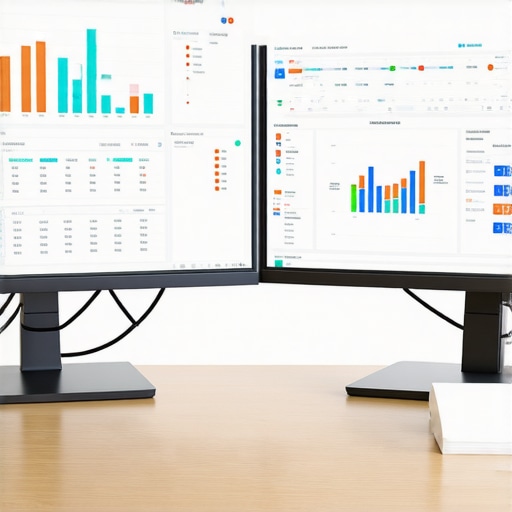
Investing in the right tools and maintaining a proactive review cycle isn’t just about compliance; it’s about peace of mind and sustainable growth. Take the time to evaluate your current software stack, explore automation options, and stay informed about upcoming legislative changes. Doing so will ensure your CPA processes stay smooth and scalable now and into 2026 and beyond.
What Small Mistakes Nearly Cost Me Everything—and What I Learned
Early in my career, a seemingly minor ledger discrepancy prompted a full-scale audit, teaching me that even tiny red flags can snowball into major issues. This experience underscored the necessity of meticulous bookkeeping and proactive red flag detection, which can save you from sleepless nights and costly penalties.
Lessons from the Trenches that Can Transform Your Financial Shield
- Trust but Verify: Even if your books balance, subtle inconsistencies can lead to trouble. Regular reconciliation and thorough documentation are your best allies.
- Automation Is Your Friend: Automate data entry where possible to reduce errors and create reliable audit trails—tools like integrated bank feeds simplify this process.
- Red Flags Are Clues: Unexplained ledger adjustments or sudden expense changes are signals to investigate. Developing a detection routine is vital to stay ahead.
- Documentation Is Power: Every transaction should have supporting records. Digitally organized files and consistent record-keeping build a fortress around your compliance.
- Continuous Improvement: Regularly review your processes and tools, keeping abreast of legislative changes like upcoming high-frequency trading laws, to maintain audit resilience.
Tools and Resources That Keep My Books Bulletproof
- QuickBooks Online: My go-to for scalable, cloud-based bookkeeping that integrates seamlessly with banking feeds.
- Chart of Accounts Resources: I recommend exploring this guide to build clarity and compliance into your financial structure.
- Red Flag Detection Tips: Check out these expert insights to identify potential trouble spots early.
- Future-Proof Your Business: Stay updated with latest strategies for 2026 regulations to keep your audit support robust.
Seize the Power to Shield Your Business
Armed with these lessons, tools, and an active approach, you can transform your financial management from a necessary evil into a strategic shield. Remember, the journey toward audit-proofing your books isn’t a one-time effort but an ongoing commitment. Your proactive stance today paves the way for peace of mind tomorrow.
Have You Turned Your Books Into Your Best Defense?
What small step will you take today to better safeguard your ledger from unseen red flags? Share your thoughts below—I’d love to hear your strategies and experiences!