
How to Document Travel Expenses So They Are 100% Tax Deductible
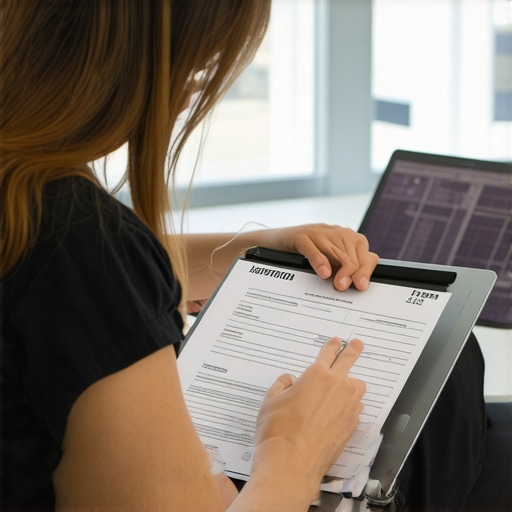
I vividly remember the sinking feeling in my stomach when I realized I had missed out on hundreds of dollars in potential deductions just because I didn’t have the proper documentation for my travel expenses. It was a frustrating moment of realization—had I simply kept better records, that money could have gone straight into my business’s growth fund. If you’ve ever faced a similar dilemma, you’re not alone. Many small business owners and freelancers struggle with understanding how to document travel expenses to ensure they qualify for full tax deductions.
Imagine the relief of knowing every trip you take for work is properly recorded and ready to be deducted—saving you money come tax time. Today, I’m here to share proven strategies from my personal experience that will help you confidently document your travel expenses so they become 100% tax deductible. No more guesswork, no more missing receipts—you’ll learn how to turn your travels into valuable tax advantages.
Why Proper Documentation Matters for Your Business
Properly documenting travel expenses isn’t just about avoiding an audit—it’s about maximizing your deductions to keep more of your hard-earned money. The IRS allows deductions for business-related travel, but they also scrutinize these claims closely. Without meticulous records, even legitimate expenses can be disallowed, costing you both money and peace of mind.
Early in my journey, I made the mistake of relying solely on credit card statements without keeping detailed itineraries or receipts. That oversight nearly cost me a hefty deduction because I couldn’t substantiate my claims. Since then, I’ve adopted best practices that make record-keeping straightforward and reliable.
The key is consistency. Every trip should have clear documentation—dates, locations, purpose, and expenses. This way, if you’re ever audited, you’ll have irrefutable proof to support your deductions. For more on how to approach tax documentation, check out comprehensive guides at this resource.
Is Over-Documenting Really Worth the Hassle?
If the thought of meticulously tracking every detail makes you nervous or overwhelmed, you’re not alone. But I can tell you from personal experience—it’s a small effort that pays off big at tax time. Skipping details might seem like a shortcut, but it increases your risk of disallowed deductions, penalties, or even audits.
In the early days, I underestimated the importance of detailed records, which was a costly mistake. Now, I use simple tools and routines that make documentation feel natural—like snapping a quick photo of receipts, maintaining a travel log on my phone, and keeping all related emails and itineraries organized.
For those wondering if the effort is justified, consider this: The IRS is vigilant about travel deductions because they represent significant tax savings. Proper documentation isn’t just recommended; it’s essential. To learn more about protecting yourself during audits, visit this article.
Set Up a System That Works for You
Start by creating a dedicated folder or digital cloud storage specifically for travel-related documents. Use a consistent naming convention for receipts, itineraries, and expense logs. During a trip I took last year, I used a travel app to snap photos of receipts immediately, which later synced automatically to my cloud folder, making organization seamless and accessible. This proactive approach saves you from the dreaded end-of-year scramble and ensures every expense is accounted for.
Capture Details in Real-Time
Use Mobile Apps to Your Advantage
Leverage expense tracking apps like Expensify or QuickBooks to record travel costs as they happen. These apps often allow photo uploads of receipts and automatically categorize expenses. During my recent business trip, I logged every meal, fuel, and taxi receipt on the spot, which eliminated errors and omissions. Consistent recording reduces the risk of missing deductible items.
Maintain a Travel Diary or Log
Keep a simple digital or paper journal noting the purpose of each trip, dates, locations, and activities. For instance, I noted down client meetings and project-related visits to justify my travel. When combined with receipts, this diary creates a comprehensive record that aligns expenses with business objectives, making audit defense straightforward.
Organize and Store Supporting Documents Effectively
After each trip, review your photos and logs, then organize them chronologically or by project/client. Use folders labeled by year and month or by client name. Maintaining consistency ensures quick retrieval if the IRS questions your deductions. During a past audit, well-organized documentation allowed me to swiftly validate my expenses, preventing disallowed deductions and penalties.
Automate Where Possible
Integrate your accounting software with expense apps or bank feeds that categorize expenses automatically. Automation reduces manual entry errors and accelerates your record-keeping workflow. I integrated my bank account with my accounting tool, which helped flag unprocessed expenses regularly, ensuring nothing slipped through the cracks.
Consult with Experts to Fortify Your Records
Engage a CPA experienced in small business tax strategies at this link. They can review your documentation process to identify gaps and advise on best practices. During a review, my CPA uncovered overlooked deductions and clarified IRS compliance nuances, boosting my confidence and saving money.
Keep Up with Tax Regulations
Tax laws evolve, affecting what constitutes deductible travel expenses. Regularly review updates at this resource. Staying informed ensures your documentation method remains compliant, preventing penalties and optimizing deductions.
 Many entrepreneurs believe that choosing a generic tax software or a basic CPA relationship is enough to handle complex financial situations, but in my experience, this mindset can lead to costly oversights. A prevalent myth is that tax professionals or payroll services will automatically catch every discrepancy. However, relying solely on these services without understanding how they work can leave critical gaps, especially in areas like audit support or multi-state filings. Most people underestimate the importance of proactive communication and customized strategies, which are crucial for maximizing deductions and avoiding penalties. For instance, a common mistake is assuming that payroll errors are solely the provider’s responsibility; in reality, business owners must stay engaged and verify the payroll data regularly to prevent costly compliance issues. Advanced business scenarios, such as handling complex nexus or multi-jurisdictional taxes, require a nuanced understanding that standard services often don’t cover thoroughly. Studies show that small businesses investing in specialized CPA services experience greater compliance and savings over time, highlighting the importance of tailored expertise. Don’t fall into the trap of thinking that a one-size-fits-all approach is sufficient; instead, seek out experts like those at this resource for strategies that adapt to the unique needs of your business.Maintaining an efficient financial management system requires the right combination of equipment, software, and practices. Over the years, I’ve refined my toolkit to ensure seamless tax preparation, payroll, and audit readiness. A major component is investing in reliable technology that aligns with your business scale and complexity.
One of my go-to tools is QuickBooks Online. I personally prefer it over desktop versions because of its real-time synchronization across devices and automatic bank feed imports. This feature ensures that your transactions are always up-to-date, reducing the risk of missed deductions or errors. Plus, its built-in reporting tools help me generate comprehensive financial statements effortlessly before tax season. For payroll, I leverage this platform due to its automation and compliance features suited for remote teams.
A crucial practice I recommend is integrating expense tracking apps like Expensify. I take photos of receipts immediately with my phone, which sync directly into my expense reports. This real-time capture minimizes clutter and forgotten expenses, making tax time less stressful. For long-term results, maintaining consistent inputs into these apps ensures your data remains reliable year after year.
For audit readiness, I believe in routine data verification. Using audit support strategies, I regularly review transaction logs and reconcile accounts, preventing discrepancies that could trigger audits.
Where do you think this trend is heading? I predict that automation and AI-driven analytics will continue to revolutionize financial management, providing even deeper insights and proactive error detection.
How do I keep these tools effective over time? The key is scheduled maintenance. Set quarterly reviews of your software integrations and data backups. Also, stay updated with the latest releases or features—most providers, like QuickBooks, roll out improvements that can significantly enhance your workflow. I dedicate a recurring calendar reminder for these check-ins, ensuring my systems evolve with my business.
If you haven’t yet, I urge you to try implementing automated expense capture and routine reconciliation. These small steps can drastically reduce manual errors and free your time. For more tips on streamlining your processes, visit this resource. Keeping your financial tools tuned is an ongoing investment that pays dividends in peace of mind and compliance.
The Cost of Overlooking Details in Tax Planning
One of the most valuable lessons I learned was that small oversights in documenting travel expenses can cost you hundreds or thousands in deductions. I realized that rushing through receipts or neglecting to record the purpose of a trip was a false economy. The real cost was in lost savings and the stress of scrambling during tax season. Those lightbulb moments taught me to prioritize precision over haste, especially when it comes to documenting what counts as a legitimate business expense.
Why Relying on a One-Size-Fits-All Approach Is a Trap
Early in my journey, I used generic solutions—standard apps, basic spreadsheets, and informal note-taking. It seemed enough, but when faced with audits or IRS questions, I found gaps that I hadn’t seen before. Personalizing my record-keeping with tools tailored for my business needs and consulting with specialized CPAs transformed my approach. The key was recognizing that each business has unique travel patterns requiring customized documentation practices, which a cookie-cutter method simply can’t provide.
Hooking Into Automation to Keep Your Records Sharp
Investing in automation tools was a game-changer. Using expense apps that sync with my bank and credit accounts allowed me to capture and categorize expenses instantly. This real-time data capture minimized errors and eliminated the frantic receipt-sourcing at tax time. Automation doesn’t just save time; it enhances accuracy, giving me peace of mind that my travel deductions are solidly supported.
Insider Wisdom: Lessons I Wish I Really Knew
- Every trip is an opportunity—To maximize deductions, treat each business trip as a strategic opportunity for thorough documentation, not just a travel event.
- Details matter—Beyond receipts: record the purpose, attendees, location, and dates—these contextual details make your deductions irrefutable.
- Consistency pays off—Create routines for daily record-keeping, whether it’s photos, logs, or expense entries, to stay ahead of compliance.
- Partner with the right experts—Engage CPAs experienced in your industry who can guide you through complex deductible scenarios and save you from costly mistakes. Discover how professional support can be a game-changer at this resource.
Tools and Resources That Changed My Game
My trusted toolkit includes QuickBooks Online for seamless bookkeeping, Expensify for receipt capture, and TravelLog for tracking trip purposes. These tools are reliable, intuitive, and integrate smoothly, ensuring my travel expenses are documented thoroughly. I also consult regularly with expert CPAs through this trusted resource, which keeps my practices compliant and budget-friendly.
Inspiring You to Take Action Today
Remember, mastering your travel expense documentation is not just about saving money—it’s about empowering yourself to run a resilient, compliant, and growth-oriented business. The right habits and tools can transform a stressful chore into a straightforward part of your routine. Start small: implement one new record-keeping habit this week, and build from there. Your future self—and your tax bill—will thank you.