
The Hidden Risk of Using Generic Business Tax Templates

I remember the sinking feeling in my stomach the first time I submitted a tax return with a template I found online. It looked legit—professional, tidy, ready to go. But weeks later, I received that dreaded audit notice. It turned out, that seemingly harmless template hid risks that could have cost me thousands in penalties. Since then, I’ve learned the hard way that using generic business tax templates without understanding their limitations is a gamble you don’t want to take.
Why Relying on Templates Can Be a Costly Mistake
Many small business owners and entrepreneurs turn to free or inexpensive templates to handle their taxes. The appeal is obvious: save time and money, right? But what they don’t realize is that these templates are often too generic, lacking the nuance needed for your specific industry, business structure, or regional tax laws. This oversight can lead to misreported income, overlooked deductions, and, worst of all, triggering audits from tax authorities.
My early mistake was assuming a template could replace personalized advice from a seasoned CPA. I didn’t realize that these tools lack the sensitivity to adapt to special circumstances—such as multi-state operations or unique deductible expenses. According to IRS statistics, tax-related audits are more likely when discrepancies arise from incorrect reporting or unsubstantiated deductions—mistakes that generic templates often encourage.
Are you currently using a one-size-fits-all template for your business taxes? If so, you might be risking more than just a late filing penalty; you could be leaving significant money on the table or inviting an audit. The good news? There are strategic steps you can take to avoid these pitfalls and ensure your tax preparation is tight, compliant, and tailored to your business.
Is Cut-and-Paste Tax Filing Actually Worth the Hype?
For many, the skepticism around personalized tax strategies is valid. However, the false economy of using generic templates often results in higher costs down the line. A personalized approach, supported by expert guidance, can not only safeguard you from penalties but also optimize your deductions. If you’re uncertain about your current method, I recommend seeking a professional review; experts can help identify missed opportunities and safeguard against costly errors. You can learn more about audit support strategies and how they can protect your business by exploring audit support strategies for 2025 and stay ahead of potential pitfalls.
Taking the time now to shift from generic to personalized tax planning could save you an incredible amount of stress—and money—next tax season. Ready to explore how to make your tax prep smarter, safer, and more profitable? Let’s dive into the practical steps that can transform your approach and give you peace of mind.
Set Up a Personalized Financial System
Begin by designing a tailored accounting setup that captures your specific income streams and expenses. Use a reliable accounting software like QuickBooks or Xero, but remember, automation alone isn’t enough—regular manual reviews prevent costly errors and ensure accuracy. When I transitioned from DIY spreadsheets to a dedicated system for my consulting business, I immediately spotted untracked expenses, saving thousands during tax time.
Collaborate with Experts to Customize Your Strategy
Partner with a CPA experienced in your industry to craft a tax plan that aligns with your business activities. Rather than relying on generic templates, request a personalized review that identifies overlooked deductions and compliance risks. For example, engaging a CPA helped me discover deductibility options I hadn’t considered, like specific vehicle or home office expenses, which I could confidently claim and avoid audit flags.
Implement Detailed Record-Keeping Practices
Develop a systematic approach for documenting receipts, invoices, and all financial transactions. Use cloud storage solutions like Dropbox or Google Drive, organized by category and date, to keep records accessible and secure. When I used a simple folder system, I spent hours during my first audit searching for receipts—an avoidable nightmare. Proper documentation not only streamlines audits but also maximizes deductions.
Schedule Regular Financial Reviews
Set monthly or quarterly check-ins to reconcile accounts and assess your tax position. This proactive approach catches discrepancies early and ensures timely adjustments. During one review, I noticed my estimated quarterly payments lagged, prompting me to update them and prevent penalties. Incorporate review checklists and leverage tools like bank feeds to stay on top of data integrity.
Leverage Audit Support Strategies
Prepare for potential audits by maintaining a comprehensive, organized audit trail. Know the red flags that trigger IRS scrutiny—such as unusual deductions or inconsistent reporting—and address them proactively. Partner with professionals who offer audit defense services, and familiarize yourself with the process by exploring resources like audit support strategies for 2025. Early preparedness enhances your chances of a smooth audit if ever encountered.
Stay Informed on Tax Law Changes
Tax regulations constantly evolve, so staying updated is essential. Subscribe to newsletters or join industry groups focused on financial compliance. Use credible resources like this guide on tax law updates in 2025 to adapt your strategies timely and avoid penalties stemming from outdated practices.
Automate Where Possible, but Don’t Over-Rely
Utilize automation tools to reduce manual errors, like integrating your bank feeds directly with your accounting software. However, always review the automated entries for anomalies. During my setup, I encountered a miscategorized transaction that led to a deduction error—manual oversight that a quick review fixed. Combining automation with regular audits ensures efficiency without sacrificing accuracy.
Many assume that hiring a CPA or using simple payroll tools guarantees full compliance and maximum deductions, but in reality, there’s more beneath the surface. One critical mistake is trusting generic tax software or templates that don’t account for nuanced regulations, multi-jurisdictional rules, or industry-specific deductions. These oversights can cause costly penalties or missed opportunities. For example, failing to properly classify workers as employees or contractors can lead to back taxes and fines. Advanced tax professionals often focus on proactive planning, like reviewing your business structure and implementing tailored strategies, instead of relying on one-size-fits-all solutions. A study by the National Small Business Association highlights that businesses facing audits often had insufficient documentation and misunderstood complex regulation nuances—issues that expert guidance can prevent. Consequently, many overlook the importance of ongoing education about tax law shifts, which can significantly impact deductions and compliance. For instance, changes in payroll regulations require real-time adjustments; neglecting them may trigger audits or penalties. An often-missed nuance is understanding audit support services’ role in safeguarding your business. It’s not just about reacting after mistakes but actively preparing with a strategic audit defense plan—something many small businesses underestimate. Avoid falling into the trap of thinking that basic tools or cursory plans are enough. Instead, invest in ongoing professional partnerships that understand your specific industry, regional nuances, and evolving laws. This approach not only minimizes risks but maximizes potential deductions, ensuring peace of mind during tax season. Want to ensure your financial strategies are resilient and compliant? Explore how audit support strategies for 2025 can enhance your defenses. Remember, the devil is in the details—don’t let hidden nuances derail your financial health. Have you ever fallen into this trap? Let me know in the comments.
Keep Your Financial Engine Running Smoothly
Managing finances effectively requires the right combination of software, hardware, and disciplined procedures. My personal approach combines industry-leading tools with tailored methods to ensure accuracy, compliance, and scalability. In this section, I’ll share specific tools I rely on and how they help me stay ahead of potential pitfalls in tax preparation, payroll, and audit readiness.
Automated Accounting Software with Human Oversight
While platforms like QuickBooks Online and Xero form the backbone of my accounting process, I never rely solely on automation. I use weekly manual reviews to catch anomalies that software might miss—like misclassified expenses or duplicated entries. QuickBooks, for example, integrates seamlessly with my bank feeds, providing real-time transaction data, but I scrutinize the flagged items quarterly to avoid errors that could trigger audits. For advanced insights, I leverage the profit and loss statement analysis feature to detect irregularities early.
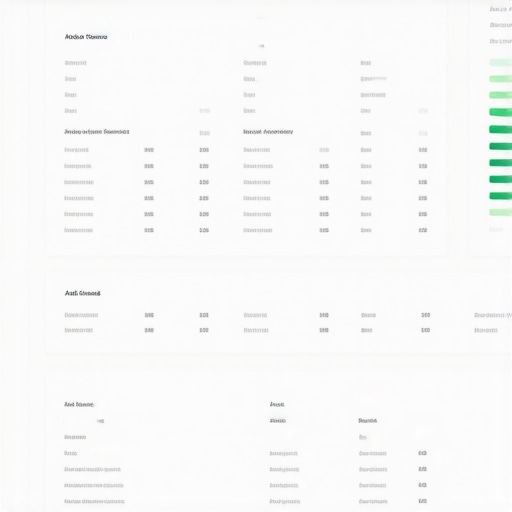
**Image prompt:** A high-resolution screenshot of QuickBooks dashboard showing financial summaries, with emphasis on audit flags. Alt text: “QuickBooks Dashboard Highlighting Financial Anomalies”. Title: “Using QuickBooks for Accurate Financial Tracking”.
Specialized Payroll Systems That Ensure Compliance
Payroll automation tools like Gusto and ADP are indispensable, especially when managing multi-state operations. I customize the settings to account for local tax rates and statutory requirements, avoiding common errors like underreporting taxes or misclassifying contractors. Regularly updating these systems based on the latest regulations—like the 2025 payroll compliance tips—keeps my business compliant and ready for audits.
Secure Document Storage for Long-Term Integrity
Storing financial documents securely is crucial. I prefer cloud storage solutions such as Google Drive organized into categories like expenses, receipts, and payroll records. This makes retrieval simple during tax season or in case of audits. I also adopt strict version control practices, referencing the clean-up guide to address messy records annually, preventing last-minute scrambling and penalties.
Future Trends: AI and Machine Learning
The future points toward integrating AI-driven tools that can proactively flag potential compliance issues and suggest optimization opportunities. According to industry experts, such as those featured in this guide to tax updates in 2025, leveraging machine learning in financial processes will soon be standard. I plan to adopt these tools gradually, starting with AI-powered audit simulations, to further safeguard my business and maximize deductions.
To stay ahead, I encourage you to try automating your review process using software that offers real-time anomaly detection. It’s a game changer for maintaining compliance without constant manual oversight. If you want personalized guidance on implementing these tools, consider reaching out via our contact page and schedule a consultation.
What I Didn’t Know About Personalized Tax Planning Until It Was Too Late
- I spent years relying solely on generic templates, thinking they were enough—only to discover that tailored advice could have saved me thousands and prevented audits. The realization was a game-changer, showing me the true power of customization in tax strategies.
- Blindly trusting automation without periodic manual reviews meant missing critical discrepancies that could trigger IRS red flags. Regularly sitting down to review my records revealed mistakes that no automated tool could catch, emphasizing the importance of human oversight.
- Engaging with industry-specific CPAs opened my eyes to deductions and compliance requirements unique to my business, which generic software simply can’t identify. This personalized approach made my financial health more resilient and less stressful.
- Storing my financial documents haphazardly made audits more stressful—organizing everything into a systematic cloud storage system proved to be a lifesaver, facilitating quick responses and peace of mind during reviews.
My Trusted Tools for Smarter Tax Preparation
- QuickBooks Online is my foundation—its integration with bank feeds saves time, and regular manual reviews ensure accuracy, preventing costly errors.
- Gusto handles payroll compliance across multiple states effortlessly, keeping me updated on the latest regulations and avoiding penalties associated with misclassification or tax miscalculations.
- Google Drive for organized, secure document storage—structured folders and version control make audits smoother and deductions easier to substantiate.
- Illuminate AI (future trend) is an AI-driven tool I plan to adopt, which will proactively flag potential compliance issues, keeping my business ahead of tax law changes and audit risks.
Take Action and Transform Your Tax Approach
Embarking on a smarter, more personalized tax strategy isn’t just about avoiding penalties—it’s about empowering your business to thrive with confidence. By integrating the right tools, seeking expert advice, and staying proactive, you can turn tax season into a strategic advantage. Remember, your financial health depends on continuous learning and adaptation—don’t wait until a mistake reveals itself. If you’re ready to strengthen your approach, explore resources like audit support strategies for 2025 and take the step towards a more resilient financial future. What’s one area in your business finances you’d love to improve this year? Share your thoughts below and let’s grow together!