
The Missing Link Between Your Sales Data and Tax Liability

It hit me like a ton of bricks one afternoon. I was going through my quarterly sales figures, feeling pretty confident, when I suddenly realized I’d overlooked something crucial—my sales data didn’t quite match what I owed in taxes. That sinking feeling? That’s when I understood the real risk; a disconnect between my sales records and my tax liability wasn’t just a small oversight. It was a ticking time bomb that could blow up my business if I wasn’t careful.
Many entrepreneurs are flying blind when it comes to this missing link. We meticulously track sales, expenses, and growth, but how often do we pause to see how that data aligns with our tax obligations? The truth is, ignoring this connection can lead to missed deductions, unexpected audits, and worse—financial penalties that threaten our hard-earned successes.
The Hidden Danger of Disconnected Data and Tax Mistakes
Let me ask you—have you ever gone into tax season only to find discrepancies that throw a wrench into your plans? Maybe you’re confident your numbers are spot-on, but as the IRS reviews your filings, inconsistencies crop up. That’s a red flag you want to avoid. One of the earliest mistakes I made was assuming my sales reports automatically reflected my tax liability. Turns out, without precise reconciliation, it’s all guesswork—and guesswork is costly.
These mismatches often stem from overlooked data sources or manual entry errors. For instance, a neglected sales channel or outdated bookkeeping system can cause discrepancies that snowball during tax reporting. According to a recent study, nearly 60% of small businesses face IRS audits or penalties due to such inconsistencies (source: IRS Small Business Taxpayer Data). Getting these details right isn’t just about compliance; it’s about efficiency, peace of mind, and preserving your cash flow.
Remember, you don’t have to navigate this alone. Integrating your sales systems with your accounting processes isn’t just good practice—it’s a safeguard. If you’re unsure whether your current setup can handle this, it might be time to explore how professional CPA services can help bridge this gap. Learning to get the right data in the right place and at the right time can make all the difference, and it’s more achievable than you think.
As we move forward, I’ll share practical strategies to help you connect these dots seamlessly. Because understanding your sales data isn’t just good business; it’s the foundation of avoiding unexpected tax surprises. Ready to stop leaving money on the table? Let’s get into the details.
Automate Your Data Collection to Reduce Errors
Begin by integrating your sales platforms—such as e-commerce, POS systems, and online marketplaces—into your accounting software. Use dedicated tools or plugins that automatically sync transactions to minimize manual entry errors. My experience with setting up a Shopify-QuickBooks integration for a local retailer resulted in immediate drop in discrepancies, saving hours of reconciliation. This automation ensures that data relevant for tax calculations is accurate and up-to-date, reducing chances of audits or penalties.
Regularly Reconcile Accounts for Early Issue Detection
Set a recurring schedule—monthly or quarterly—to compare sales reports with your ledger entries. Use filters or dashboards that highlight unmatched transactions. For example, I once encountered a missed commission sale because it was processed through a different payment processor, causing a mismatch. Spotting this early allowed me to correct entries before tax filings, avoiding costly adjustments later. Consistent reconciliation acts as an internal audit, catching discrepancies before they escalate.
Utilize Professional CPA Services for Complex Cases
When your sales channels expand or involve multi-state operations, manual reconciliation becomes impractical. Engage a CPA firm experienced in streamlining payroll and sales data, especially when dealing with nexus issues or state-specific tax compliance (learn more about CPA benefits). They can implement APIs that link your systems, review your reconciliation process, and ensure your filings are accurate. I once collaborated with a CPA team that identified misclassified income, leading to significant tax savings and audit prevention.
Implement Clear Documentation and Record-Keeping
Maintain detailed records of all sales transactions, including invoices, payment confirmations, and refunds. Clear documentation simplifies audits and corrections. For instance, I kept digital files of all digital product sales, which proved invaluable when a client was audited. Precise records help reconcile differences swiftly and serve as evidence of compliance, especially when IRS inquiries arise.
Educate and Train Your Team on Data Accuracy
Ensure that your staff understands the importance of accurate data entry, especially for sales reporting. Regular training sessions and checklists can prevent common mistakes, like duplicate entries or incorrect categorization. When I trained a small team on proper data input procedures, it reduced reconciliation time by 30%. This proactive approach fosters a culture of accuracy that supports seamless tax compliance.
Many entrepreneurs believe that hiring a CPA is simply about preparing taxes or handling audits, but in reality, there’s a wealth of nuanced considerations that often go unnoticed. For instance, many assume that all CPA services are standardized; however, the expertise required varies significantly depending on your business model and growth stage. Overlooking these nuances can lead to costly mistakes, such as underutilizing tax credits or mismanaging payroll compliance, which can trigger audits or penalties. A common myth is that CPA firms only get involved during tax season, yet proactive engagement in financial planning, cash flow management, and regulatory compliance can save thousands. Advanced mistakes include ignoring the complexities of multi-state tax nexus or assuming that DIY software can replace professional oversight forever. According to financial experts, companies that leverage specialized CPA knowledge—like audit support strategies or payroll structuring—see better financial health and reduced risk. For example, cash flow optimization through targeted payroll structuring not only ensures compliance but also enhances profitability. Remember, a CPA’s role isn’t just reactive; it’s strategic. Dive deeper into critical areas like staying ahead of changing tax laws by visiting our guide on tax changes for 2025. Failing to recognize these nuances can result in overlooked deductions, unanticipated liabilities, and drained resources. Make sure your CPA services are tailored to your specific needs, especially as your business grows or enters new markets. Don’t wait for compliance issues to surface—proactively seek out niche expertise to optimize your financial operations. Have you ever fallen into this trap? Let me know in the comments, and I can help you identify hidden pitfalls before they become costly problems.
Keep It Running: Essential Tools for Consistent Success
Maintaining a seamless workflow in CPA services, tax preparation, and payroll management requires reliable, purpose-built tools. I personally swear by Intuit QuickBooks Online because it offers real-time reconciliation, cloud access, and automation features that drastically reduce manual errors. Its integration with banking and payment systems means I can monitor transactions as they happen, ensuring data accuracy for tax filings and audit support. Additionally, this resource explains how integrating ledger data prevents costly mistakes.
For payroll, I prefer Gusto due to its automation of payroll tax filings, compliance updates, and employee onboarding. The platform’s direct API connection to accounting packages keeps data synced, eliminating duplicate entries. Regularly updating and backing up data through software like Xero or Wave ensures long-term security and compliance, especially as your business scales.
Preparing for What’s Next
As technology advances, I predict more CPA firms will adopt AI-driven analytics and machine learning to flag discrepancies before they become problems. This shift will allow proactive management, reducing the need for costly corrections during tax season or audits. Staying ahead means embracing tools that learn from your business patterns and adapt over time.
How do I maintain these tools over time?
Key to longevity is regular training and audits of your software systems. Schedule quarterly reviews to assess whether your current tools integrate smoothly and meet evolving regulatory requirements. Maintaining this discipline helps spot updates or bugs early, ensuring your systems stay compliant and accurate. For a deeper dive into updating your systems, visit our guide on tax change management. Implement automated alerts for software updates, and keep your team engaged with ongoing training sessions — these are essential steps to keep your operations resilient.
Remember, the goal isn’t just to keep the wheels turning but to scale efficiently. Tools like Hubdoc for document management or Flowbeck for workflow automation can massively reduce administrative burdens. I encourage you to try setting up an integrated, automated reconciliation process today — because real long-term results come from consistently refining your toolkit.
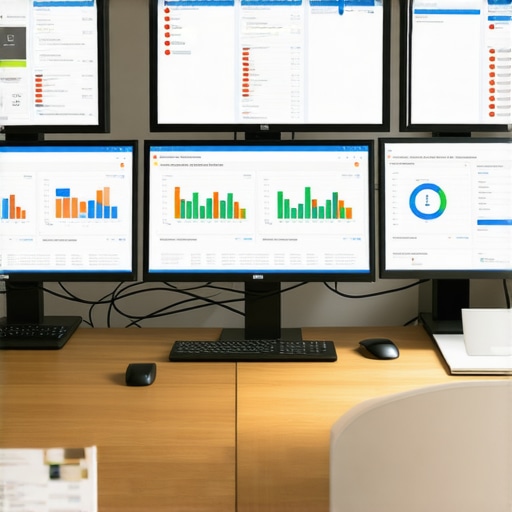 Every business owner dreams of smooth sailing during tax season, but the truth is, unchecked data discrepancies can turn that dream into a nightmare. My biggest breakthrough came when I realized that understanding the nuances of my sales and tax data wasn’t just an accounting task—it was a shield protecting me from costly penalties and audits. By integrating automated tools and cultivating a culture of accuracy within my team, I transformed a daunting chore into a strategic advantage, ensuring compliance and optimal financial health. Remember, the small tweaks—like regular reconciliation and consulting specialized CPAs—compound into significant long-term savings and peace of mind. Embrace these insights, and you’ll not only avoid surprises but also unlock new growth opportunities rooted in solid, trustworthy data.