
How to Use Financial Ratios to Spot Margin Leaks Early
I remember the moment clearly. It was a seemingly ordinary afternoon when I noticed a strange uptick in our expenses that didn’t match our sales spike. My first instinct was to dig into every invoice and ledger. Surprisingly, the real culprit was a silent margin leak—something I hadn’t caught until I started paying close attention to our financial ratios. That lightbulb moment changed everything. It made me realize how crucial it is to monitor certain key metrics regularly to prevent small issues from ballooning into major losses.
Why Financial Ratios Are Your Business’s Early Warning System
Ever feel like your profits are slipping through the cracks but can’t quite pinpoint where? That’s where understanding and utilizing financial ratios can be a game-changer. These ratios serve as your business’s blood pressure and heart rate—indicators that tell you when something’s off before it turns into a disaster. By tracking ratios such as gross profit margin, operating margin, and receivables turnover, you can spot subtle shifts that might signal a margin leak or other financial issues lurking beneath the surface.
Is Spotting Small Changes Really Worth the Effort?
Absolutely. In my early days, I made the mistake of relying solely on annual financial statements. Big mistake. When I started comparing monthly or quarterly ratios, I uncovered issues faster. According to a report by the Small Business Administration, businesses that monitor financial metrics regularly are 30% more likely to catch discrepancies early, which translates into significant savings. So, yes, a little extra effort monitoring ratios can save you thousands—or even keep your business afloat during tough times.
Are you facing the challenge of keeping tabs on your margins? If so, you’re not alone. Many entrepreneurs overlook the importance of these ratios until it’s too late. Don’t worry—next, I’ll guide you through simple steps to start leveraging these powerful tools effectively, so you can catch margin leaks early and maintain healthy profit margins consistently.
Set Clear Goals for Your Financial Monitoring
Start by defining what financial health means for your business. Do you aim to maximize profit margins, optimize cash flow, or minimize tax liabilities? Clarifying these targets guides your ratio tracking efforts. In my experience, establishing specific key performance indicators (KPIs) helps focus your analysis and prevents overwhelm.
Gather Accurate and Timely Data
Before analyzing ratios, ensure your financial data is up-to-date and reliable. Use integrated accounting software or automation tools to minimize manual errors. I once attempted to calculate ratios manually during a busy quarter, which led to inconsistent figures and delayed insights. Automating data collection can save hours and enhance accuracy.
Calculate Key Ratios Monthly and Compare Trends
Regularly compute ratios like gross profit margin, net profit margin, and receivables turnover. Chart these over time to identify patterns. For instance, I noticed our receivables ratio declined over consecutive months, signaling a slowdown in collections—prompting immediate action.
Use Visual Aids to Spot Variations Quickly
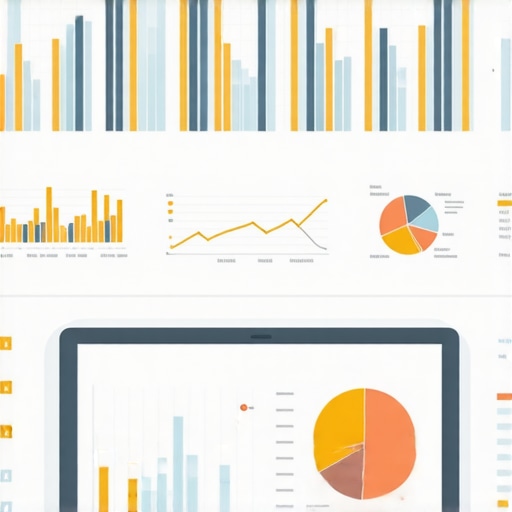
Graphs and dashboards offer quick visual insights. I recommend using dashboards that highlight deviations beyond your set thresholds. This way, small issues become visible at a glance, allowing for rapid intervention before they escalate.
Investigate Root Causes of Deviations
When you spot an anomaly, delve into underlying causes. Was it a sudden increase in expenses, a drop in sales, or errors in your data entry? Identifying the cause enables targeted corrective measures. I once found that a spike in tax preparation fees was due to a misclassification of expenses, which I promptly corrected to reflect accurate margins.
Adjust Business Strategies Based on Insights
Use your ratio analysis to inform decisions—pricing adjustments, cost reductions, or process improvements. For example, noticing a shrinking profit margin prompted me to renegotiate supplier contracts and streamline operations.
Leverage Professional Support When Needed
If your ratios reveal complex issues or if you’re uncertain about interpretation, don’t hesitate to consult experts. Scheduling an appointment with a CPA or financial advisor can provide clarity and guidance. Their insights often reveal strategies you might overlook.
Integrate Routine Checks Into Your Business Processes
Consistency is key. Make ratio assessment a monthly routine, embedded into your financial review meetings. Over time, this habit cultivates a proactive approach, helping prevent surprises and maintain healthy margins.
Many entrepreneurs assume that hiring a CPA or engaging in audit support and tax preparation is a one-size-fits-all solution, but in my experience, this belief misses critical nuances that can make or break your financial health. For instance, a common myth is that all CPA firms provide the same level of strategic guidance. In reality, some focus solely on compliance, risking overlooked opportunities for tax savings or process improvements. This oversight can lead to expensive mistakes, especially if your business operates across multiple jurisdictions or involves complex asset classes, where specialized knowledge becomes essential.
Why do many business owners overlook the importance of tailored CPA strategies for growth?
The answer often lies in assuming that standardized services suffice for their unique needs. However, expert insights from leading financial consultants emphasize that personalized approaches can uncover hidden tax benefits and preempt costly errors, such as misclassification of employees or overlooked deductions—issues that, if unnoticed, could trigger audits or penalties.
One tricky area many underestimate involves payroll management. Automated tools are popular, yet they often fail to account for state-specific regulations or nontaxable benefits, leading to compliance risks. A detailed understanding of local labor laws can prevent fines and enhance employee satisfaction. For example, integrating payroll platforms with updates from regulatory sources ensures ongoing compliance—something a generic system might neglect.
Furthermore, the assumption that audit support is merely about responding to IRS inquiries is misleading. Proactive strategies, like comprehensive audit support plans detailed in this guide, involve meticulous record-keeping, internal controls, and risk assessments to minimize exposure. These measures are especially crucial for rapidly scaling startups or businesses with international touchpoints, where compliance complexity skyrockets.
Advanced business owners recognize that tax planning should be an ongoing process, not a seasonal chore. Regular reviews—far beyond annual filings—allow for adjusting strategies in anticipation of legislative changes, a concept supported by recent studies from tax authorities indicating that businesses engaging in continuous planning reduce tax liabilities by up to 20%. To stay ahead, leveraging insights from latest tax insights can be transformative.
In essence, the real challenge lies in avoiding complacency around these services. If you rely solely on basic compliance, you’re likely missing out on opportunities for optimization and protection against complex risks. The nuanced reality is that successful financial management marries strategic advice, precise compliance, and proactive planning tailored to your business’s evolving landscape.
Have you ever fallen into this trap? Let me know in the comments and share your experiences—your story might help someone avoid costly mistakes!
Tools I Recommend for Long-Term Financial Health
Maintaining efficient CPA services, audit support, and payroll processes requires the right combination of software and routines. I swear by cloud-based accounting platforms like Xero because of its real-time collaboration features and seamless bank statement reconciliation, which saves hours each month. For payroll, Gusto has proved invaluable; its automation reduces manual errors and ensures compliance with local regulations. I also leverage ExpenseIQ for detailed expense tracking that integrates directly with my accounting software, allowing me to monitor cash flow proactively.
Beyond tools, establishing regular routine checks is crucial. I schedule monthly reviews using structured review processes to catch discrepancies early and adjust strategies accordingly. Automating data synchronization between payroll, taxes, and accounting platforms minimizes manual input and reduces mistakes, making long-term maintenance less burdensome.
How do I keep these systems effective over time?
Consistent training and updates are essential. I set aside quarterly sessions to familiarize myself with software updates, new features, and regulatory changes—especially when considering evolving policies like those outlined in latest tax legislation. Additionally, I prioritize integrating audit support strategies by maintaining meticulous records—digital document management ensures all receipts and invoices are stored securely and retrievable during audits or reviews. This proactive approach empowers me to handle unexpected challenges without disrupting ongoing operations.
Predictively, I believe that AI-driven tools will become more embedded in our workflows, offering predictive analytics that can flag potential compliance issues before they emerge. Embracing such innovations now will position your business at the forefront of efficient financial management.
Try automating your bank reconciliations with modern tools like BankFeed integrations—these can drastically reduce manual effort and improve accuracy. Staying disciplined with routine checks and leveraging the latest technology will help ensure your CPA, audit, and payroll processes remain smooth and scalable as your business grows.
Throughout my journey in managing business finances, I’ve learned that the tiniest shifts in key metrics can be the difference between thriving and surviving. One unforgettable lesson was realizing that my profit margins subtly declined before I noticed any obvious signs. This eye-opening experience emphasized the value of diligent ratio tracking—a practice that allows entrepreneurs to catch issues early and steer their financial ship with confidence.
Lessons Hidden in the Numbers That Many Overlook
One of the most profound insights I gained was during a quarterly review when I noticed a dip in our receivables turnover ratio. Instead of panicking, I investigated and discovered delays in collections that were costing us cash flow. This illuminated how even small variations in financial ratios can reveal underlying problems—problems that, when addressed swiftly, save money and prevent crises. Remember, the devil is often in the details, and monitoring these details is what sets successful businesses apart.
Tools I Use to Stay Ahead of Financial Cliffs
To maintain this level of vigilance, I rely on intuitive tools like Xero for real-time financial insights, Gusto for compliant payroll automation, and ExpenseIQ for detailed expense tracking. These tools integrate seamlessly, providing a holistic view that simplifies complex data into actionable insights. My secret? Regularly scheduling monthly reviews with these tools to ensure my financial metrics stay healthy and predictable.
The Heartbeat of Your Business Finances
Financial ratios aren’t just numbers—they’re your business’s heartbeat indicators. Recognizing their importance early can prevent costly misdiagnoses and emergency repairs. By making ratio analysis a routine part of your financial management, you cultivate a proactive approach that transforms reactive firefighting into strategic planning. Invest in this habit, and watch your business’s resilience grow stronger.
Questions to Spark Your Financial Vigilance
What routine checks are you currently neglecting that could reveal hidden issues? Have you ever caught a small discrepancy that saved you from a major setback? Share your experiences below, and let’s learn from each other’s journeys toward smarter financial management!