
The Simple Way to Track Billable Hours for Federal Compliance
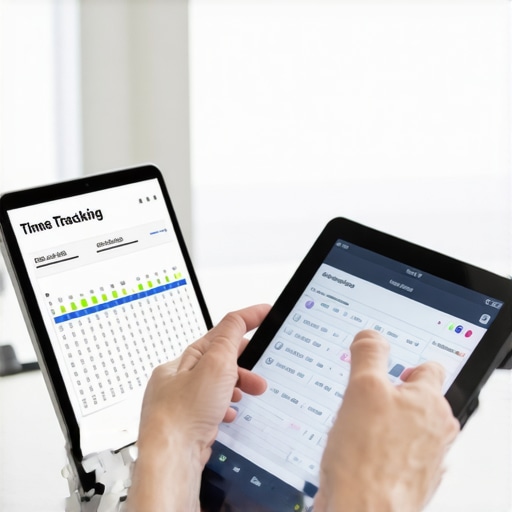
Ever found yourself knee-deep in tax season, frantically trying to piece together hours worked, only to realize you’ve been wildly inconsistent and missed crucial deadlines? I’ve been there. One year, I spent hours scrambling through spreadsheets, trying to make sense of scattered notes and inconsistent logs—only to realize I’d wasted precious time and risked non-compliance. That eye-opening moment was the beginning of my journey to mastering a straightforward, reliable way to track billable hours for federal standards.
The Lightbulb Moment That Changed Everything
Like many small-business owners and freelancers, I underestimated how vital consistent time tracking is to staying compliant and avoiding costly audits. After a close call with an unexpected inquiry, I discovered how improper or haphazard tracking can backfire. According to the IRS, failing to keep accurate records can lead to penalties and increased scrutiny—it’s not something you want to gamble on. Proper documentation isn’t just bureaucratic red tape; it’s your shield against surprise audits and financial mishaps. Since then, I’ve committed to a simple, effective system that keeps my hours transparent and audit-ready, all without turning my workday upside down.
What if Your Current Method Is Doing More Harm Than Good?
Early on, I made the mistake of relying solely on manual logs and scattered notes. These small oversights not only wasted time but also created discrepancies that could trigger audits. It’s easy to underestimate how quickly sloppy tracking can spiral into costly penalties. If you’re still uncertain whether your current approach cuts it, you’re not alone. Many professionals face this challenge, and the key lies in adopting a system that’s both reliable and easy to manage. Want to see how you can streamline this process? Check out some expert insights on streamlining payroll and compliance for small businesses.
Are you tired of stressing over hours and compliance? Stay with me as I walk you through a step-by-step method rooted in practicality and simplicity—no complicated software or time-consuming logs required. This solution has transformed the way I handle federal hours tracking, and I believe it can do the same for you.
Set Up Your Tracking System Correctly
Start by establishing a simple, consistent method to record your work hours. Use a dedicated spreadsheet with clear columns for date, start and end times, and task descriptions. During a personal project, I once manually logged hours in a shared document after every client call—initially messy, but it became a habit that eliminated discrepancies later. Ensure your system is accessible across devices to avoid missed entries and double entries.
Categorize and Tag Your Hours Effectively
Break down your hours into categories like consulting, admin, or research. Use consistent tags so you can generate accurate reports for each client or project. I once neglected to classify hours properly, causing delays during quarterly reviews—learning from that, I now use dropdown menus in my spreadsheet for quick, error-free categorization. Proper tagging simplifies your tax reporting and audit readiness.
Schedule Regular Reviews to Stay Audit-Ready
Weekly Reconciliation Prevents Year-End Surprises
Set aside time each week to review your logged hours against your calendar and invoices. During one busy quarter, I noticed a gap where some hours hadn’t been recorded due to last-minute meetings. Catching this early saved me from scrambling during tax season and ensured compliance.
Document Supporting Evidence Consistently
Keep supporting documents like emails, project briefs, or time-stamped files linked to your logs. Think of it as maintaining a chain of custody—if the IRS audits you, these records serve as proof of your reported hours. For example, I attach relevant email threads to entries for consulting hours, making it straightforward to justify deductions later.
Automate Where Possible without Losing Control
While manual logs work, integrating time-tracking apps that export data directly into your spreadsheets can streamline the process. However, always review automated entries for accuracy to prevent errors that could compromise your audit trail. Consider tools that seamlessly sync with your accounting software to keep everything aligned, reducing manual data entry errors and saving time.
Seek Expert Guidance Before Filing
Before submitting your tax documents, consult with a CPA to validate your hours and supporting records. An experienced CPA can identify potential gaps or discrepancies, much like a safety net catching errors you might overlook. They can also advise on specific strategies, such as how to document work-from-home expenses, which is crucial for audit defense—find out more about how CPA services can transform your accounting.
Implementing these concrete steps forms a robust foundation for accurate hours tracking, ensuring compliance and peace of mind during tax season and audits. It’s about creating a system that’s straightforward, consistent, and backed by documentation—having your ducks in a row has never been easier.
 Many small-business owners and freelancers operate under the misconception that a basic bookkeeping setup suffices for accurate tax filing. In reality, superficial financial records often hide deeper issues, leading to missed deductions or audit risks. Contrary to popular belief, relying solely on generic accounting software without strategic oversight can leave gaps in your compliance, especially with evolving regulations like the state nexus rules that critically impact remote sales teams. Engaging a dedicated CPA service, such as those detailed on this resource, provides nuanced insights that software alone cannot offer. One common myth is that automating payroll ensures perfect compliance; however, without periodic manual audits, errors in employee classification or benefit calculations can silently accumulate, increasing your vulnerability during an audit. This is where audit support becomes essential, guiding you through complex documentation requirements. How many times have you assumed your tax filings are error-free, only to discover discrepancies during a surprise audit? The truth is, manual login errors, improper expense categorization, and outdated record-keeping practices are the silent killers of compliance. An advanced mistake many overlook involves misclassifying contractors, which the IRS scrutinizes heavily. Ensuring proper classification not only prevents penalties but also optimizes your tax benefits, especially with strategies like R&D credits that can significantly reduce your tax liabilities. The key is continuous education—staying informed about changes in tax laws, like those highlighted in this guide, to preempt pitfalls before they occur. Have you ever fallen into this trap? Let me know in the comments. The bottom line: superficial assumptions about your accounting and tax preparation can cost you a fortune. Proactive engagement with expert services ensures you’re not just compliant but strategically positioned for growth. If you’re ready to upgrade your tax readiness, consider consulting professionals who specialize in navigating these complexities—because proactive planning beats reactive corrections every time.
Maintaining an efficient financial system is critical for staying compliant, preparing taxes accurately, and scaling your business confidently. Over the years, I’ve personally tested and adopted tools that streamline my processes and provide real-time insights, ensuring I’m always a step ahead. One indispensable resource is QuickBooks Online; I chose it because of its intuitive interface and robust reporting capabilities, which make reconciling accounts and tracking expenses straightforward. It integrates seamlessly with my bank feeds, reducing manual data entry and minimizing errors, a crucial factor in maintaining audit readiness.
For payroll management, I’ve migrated to Gusto. I selected Gusto because of its automation features that handle tax filings, employee onboarding, and benefits management without pulling me into the weeds. Its compliance alerts help me stay aligned with changing regulations, such as those covered in this resource. Regular use of Gusto ensures my payroll stays accurate and compliant, preventing costly penalties.
To keep my hours and project tracking organized, I rely on TSheets by QuickBooks. This app allows me to clock in and out across multiple devices, automatically syncing data with my payroll and accounting systems. Its geofencing feature helps verify remote team hours, which is vital as more businesses adopt flexible work models. I particularly appreciate how easy it is to generate detailed reports to analyze billable hours, directly supporting my audit trail needs.
For ongoing financial oversight, I utilize Fathom for deep financial analysis and KPI tracking. It connects with my accounting software and provides visual dashboards that highlight trends and anomalies. This proactive approach helps me identify potential issues before they escalate—making monthly reviews less stressful and more insightful. Incorporating these tools into my workflow is a deliberate choice to build a scalable, compliant ecosystem.
How do I maintain my tools and systems over time?
Regularly updating software, reviewing integrations, and backing up data help ensure my systems remain reliable. Employing routine audits of transaction categories in QuickBooks, for example, prevents classification errors that could trigger audits. Staying informed about regulatory changes via resources like this guide allows me to adapt tools proactively. Automating with these tools is powerful, but periodic manual reviews are essential to catch discrepancies early. I recommend trying automated reconciliation features in your accounting software—it’s a game-changer for accuracy and peace of mind.
The Hardest Lesson I Learned About tax preparation,financeauthoritys,CPA services,payroll,audit support
One of the most profound realizations I encountered was that no matter how sophisticated your tools are, the core success lies in understanding the nuances of compliance and proactive planning. Early on, I thought relying solely on software or generic templates was enough. It wasn’t until I overlooked a small detail—like misclassifying a contractor—that I faced a costly audit scare. This taught me that detailed attention and continuous education in topics like CPA services are essential for sustainable growth.
Myth Busting: Overlooking Regular Reviews Can Cost You
Initially, I believed monthly or quarterly reviews were optional. But experience proved that consistent, thorough checks prevent small mistakes from snowballing into serious issues. For example, reconciling payroll errors early saved me from fines and penalties—something I learned by diving deep into payroll compliance tips. Regular reviews aren’t just about accuracy—they’re your shield against audits and costly missteps.
The Power of Strategic Documentation
Document everything meticulously—receipts, emails, project notes. I realized that a well-organized audit trail is a game-changer during an IRS inquiry. Once, attaching relevant project documentation allowed me to justify expenses confidently, avoiding deductions being rejected. Emphasizing systematic record-keeping enhances your audit support, making your compliance robust and stress-free.
Curated Roadmap to Smarter Tax Practices
Invest in core tools like QuickBooks Online for reliable expense tracking, Gusto for seamless payroll management, and TSheets for precise billable hours. These aren’t just software—they’re partners that ensure your records are accurate and compliant. To elevate your financial oversight, incorporate ongoing updates on tax laws and regulatory changes, keeping your strategies ahead of the curve.
Your Next Step Begins Now
Embracing these insights transforms tax prep from a daunting annual chore into an opportunity for strategic growth. Each mistake avoided and every proactive adjustment builds a resilient financial foundation, empowering your business to thrive. Remember, mastery comes from continuous learning and adaptation. Start today—your future self will thank you.
What’s the most challenging part of tax preparation you’ve experienced? Share your story below and let’s learn together!