
Why Every Multi-State Business Struggles with Local Sales Tax

I’ll never forget the moment I realized just how tangled the web of local sales tax could become for a growing multi-state business. It was late one evening, pouring over a pile of invoices and state tax notices. The dread sank in—I had made a mistake, and it could cost us thousands, if not more. That sinking feeling was a wake-up call. If there’s one thing I know from personal experience, it’s that managing sales tax across multiple jurisdictions isn’t just a headache—it’s a maze that can threaten your entire operation.
The Hidden Challenge of Multi-State Sales Tax
For many entrepreneurs like you, expanding into new states feels exciting. But as the growth accelerates, so does the complexity of tax compliance. Every state, and often local jurisdictions within those states, have unique rules about sales tax collection, nexus, exemptions, and reporting. The challenge? Staying on top of these constantly shifting regulations while trying to focus on growing your business. I’ve seen firsthand how early missteps in sales tax management lead to costly audits and penalties. That’s why today’s post aims to shed light on these struggles and show you proven strategies to navigate the chaos.
Is Sales Tax Management Overhyped or Actually Critical?
One of the biggest misconceptions I’ve encountered? Many business owners think sales tax is just a minor detail or something to ignore until it becomes a problem. The truth? It’s a fundamental part of your financial health and compliance. I once dismissed a local tax rule as irrelevant because it seemed insignificant—until I received a notice from the tax authorities. That mistake taught me a vital lesson: overlooking even small jurisdictions can blow up into major issues. And if you’re thinking this is just complicated bookkeeping, think again. According to recent studies, states are increasingly aggressive with audits, and the cost of non-compliance can far outweigh the effort to get it right from the start.
Fortunately, with the right approach, you can simplify this process. We’ll explore effective tactics and tools that help you stay compliant, avoid penalties, and keep your focus on growth. If you’ve ever faced the headache of multiple state sales tax rules or fears of an audit, you’re not alone. Let’s begin unraveling this tangled web together.
Set Up a Robust Internal System
Begin with creating a centralized database to track each jurisdiction’s rules and filing deadlines. When I expanded my own e-commerce shop into new states, I set up a dedicated spreadsheet to monitor nexus thresholds, exemption statuses, and reporting dates. This simple step prevented last-minute scrambles during tax season, ensuring accurate filings and avoiding penalties.
Create Clear Processes
Develop standardized procedures for collecting, recording, and remitting sales tax. For example, automate sales data collection through integrated platforms or point-of-sale systems that categorize transactions by location. This reduces manual errors and provides real-time compliance insights. When I integrated my online store with accounting software, the automation cut down reconciliation time by 50%, allowing my team to focus on growth instead of corrections.
Leverage Technology Wisely
Invest in specialized sales tax software or services that automatically calculate obligations based on current laws. I personally tested several options and finally adopted a solution that updates tax rates monthly, reflecting recent legislation changes. This proactive approach mitigates risks of outdated data causing compliance issues. If you’re unsure which system suits your business, consulting with a CPA familiar with multi-state issues can be a game-changer, as explained in this guide.
Automate Remittance and Filing
Set up automatic scheduling for filing and payments where permitted, or at least establish reminders aligned with each jurisdiction’s cycle. When I first tried manual scheduling, delays and forgetfulness risked penalties. Automating these processes provided peace of mind and free up resources for strategic tasks.
Maintain Compliance Documentation
Keep comprehensive records of all sales transactions, exemption certificates, and correspondence with tax authorities. A few years back, I faced a minor audit and was able to swiftly provide clear documentation, thanks to my organized system. This minimized scrutiny and prevented unnecessary penalties. Regularly review and update documentation practices to stay aligned with evolving laws.
Regularly Train Your Team
Ensure your staff understand the importance of accurate sales data entry and compliance protocols. Conduct quarterly training sessions, especially when expanding into new jurisdictions. I learned this lesson the hard way—an employee misclassified a few transactions, resulting in a costly correction. Proper training prevents these errors early and sustains compliance integrity.
Consult Experts When Needed
Complexities of multi-state sales tax grow with your business. Engaging with a knowledgeable CPA can help you design scalable compliance systems and prevent costly oversights. For tailored guidance, reach out via this contact page. Remember, good advice today saves headaches tomorrow.
Implementing these actionable steps can transform your sales tax management from a daunting chore into a streamlined process, enabling you to focus on what matters most—growing your business confidently and compliantly.
 Many business owners start with the misconception that payroll processing, tax preparation, and audit support are straightforward tasks easily handled with basic software and occasional professional advice. However, this oversimplified view can lead to costly errors and missed opportunities for optimization. In my experience as a CPA specializing in small to mid-sized businesses, the real nuance lies in understanding the complex interplay of compliance regulations, industry-specific practices, and strategic financial planning. For instance, people often believe that automating payroll with generic tools suffices, but what they overlook is the importance of customized reconciliation processes that prevent subtle discrepancies from triggering audits or penalties. Studies show that overlooked small errors during tax prep can cascade into significant legal issues down the line, emphasizing the need for expert oversight.
When it comes to audit support, many assume it’s only relevant after a problem arises. In reality, proactive audit readiness involves continuous documentation review, internal controls, and staying ahead of regulatory changes—all areas where many underestimate the value of specialized CPA services. A common trap is relying solely on software compliance checks, which can miss contextual nuances, such as recent legislative updates that affect your industry. Consulting with a niche-focused CPA can uncover these risks early, saving you time and money.
Why Do Businesses Fall for These Myths?
Business owners often fall for the myth that simple, off-the-shelf solutions suffice—yet, according to expert analyses, only tailored systems and expert reviews can ensure comprehensive compliance and strategic advantage. For example, neglecting to audit your payroll data regularly can hide internal fraud or misclassification issues, which not only cause financial drain but also elevate audit risk. I recommend regularly reviewing your financial processes through resources like audit support strategies to identify these vulnerabilities before they turn into crises.
Another misconception is that tax preparation is a one-time annual check-in. In reality, periodic reviews—especially in fast-changing legislative environments—are essential. This is backed by recent research indicating that proactive tax planning can reduce liabilities by thousands annually, as detailed in tax prep tips for freelancers and gig workers. The key takeaway is that integrating continuous tax strategy into your operational workflows is a custom service only experienced CPAs can deliver.
Advanced Question: How Can Tech and Expertise Synergize for Ultimate Risk Management?
For savvy business owners looking to elevate their financial controls, the combination of top-tier software tools with expert CPA guidance creates a robust defense system. Advanced compliance isn’t just about automating processes; it involves interpreting complex legislative nuances and industry trends—areas where human expertise surpasses digital capabilities. For tailored advice on selecting and implementing these systems, visit this resource. Remember, the goal is to transform reactive compliance into a proactive strategy—a mindset that’s essential in today’s volatile regulatory climate.
Have you ever fallen into this trap? Let me know in the comments. Transitioning from a DIY approach to a strategic partnership with professionals is often the most valuable step you can take to safeguard your business’s financial health.
Maintaining a reliable financial infrastructure isn’t just about selecting the right software—it’s about implementing a comprehensive system that adapts over time and minimizes errors. One of my personal go-to tools is QuickBooks Online. I prefer it because of its cloud-based flexibility, allowing real-time collaboration with my CPA and audit team. The integration capabilities—especially with dedicated payroll and tax prep apps—are vital for keeping data synchronized and reducing manual entry errors. For instance, using these automation features ensures payroll adjustments are captured accurately and compliance is maintained consistently.
In addition to accounting software, I heavily rely on TaxJar for sales tax calculations. It automatically updates rates based on the latest legislation—saving me from costly miscalculations. When I first adopted TaxJar, I eliminated hundreds of hours spent calculating nexus and exemption statuses manually, which allowed me to focus on scaling my business instead of worrying about compliance pitfalls. As regulations evolve, these tools become even more indispensable; I foresee the trend moving toward AI-powered compliance suites that proactively alert you to potential issues even before they occur.
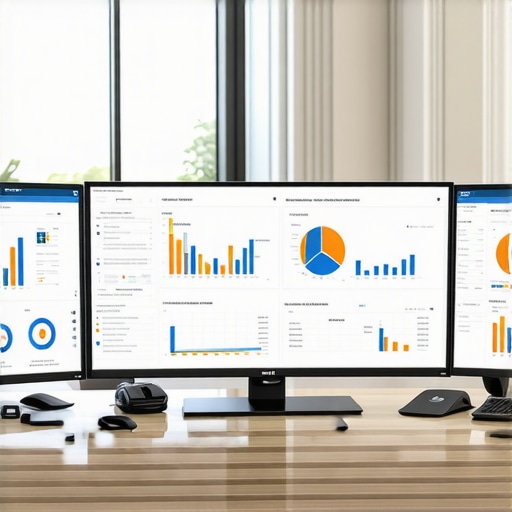
Beyond software, a recurring theme is the importance of manual review and proactive oversight. No amount of automation can fully replace the human eye, especially in audit support. Regularly reconciling bank statements and cross-referencing transactions using tools like advanced reconciliation apps will catch discrepancies early, preventing small issues from snowballing into legal headaches. Continuous oversight is key; I schedule monthly reviews as part of my routine, rather than waiting for quarterly or annual deadlines.
Looking ahead, I believe that integrated AI-driven platforms will eventually handle the bulk of compliance and error detection seamlessly. For now, combining trusted software with a dedicated review schedule is your best bet for a resilient system. Want to make your processes bulletproof? Start by adopting automated time and expense tracking tools, then back them up with regular manual audits.
How do I keep my financial systems working smoothly over time?
Regular maintenance involves periodic updates to your software, staying informed about legislative changes, and revisiting your internal procedures. Establishing a routine of monthly reconciliations and involving your CPA in quarterly reviews not only spotlights errors early but also keeps your team aligned on compliance standards. Remember, technology evolves, but your vigilance ensures you’re always a step ahead. For tailored assistance, don’t hesitate to reach out to a specialist who can help you fine-tune your setup for maximum efficiency.
Why Overconfidence Can Cost You Big Time
I learned early that underestimating the intricacies of payroll and tax compliance can lead to costly mistakes. One lightbulb moment was realizing that automated software isn’t foolproof; human oversight remains essential. This lesson kept me vigilant against complacency and emphasized continuous learning.
When Experts Offer the Best Lifelines
Engaging with a knowledgeable CPA transformed my approach. Their insights on emerging regulations and audit preparedness provided a safety net I didn’t know I needed. Based on my experience, partnering with specialists can turn complex compliance into manageable daily routines.
Tools That Elevate My Financial Confidence
Using personalized tools like custom reconciliation workflows and ongoing audit support resources has been a game-changer. These allow me to catch errors early, maintain peace of mind, and focus on strategic growth. I recommend exploring solutions like automated payroll integrations that are tailored to your specific business needs.
The Power of Consistency in Compliance
Regular reviews and proactive adjustments have become a habit—saving me from surprises at tax time. This discipline ensures my financial systems stay resilient amid changing regulations. I encourage fellow entrepreneurs to set up periodic internal checks, making compliance a natural part of their routine.
Final Thought: Build Your Own Compliance Armor
The journey to competent payroll, tax preparation, and audit readiness is ongoing. Embracing continuous education, leveraging the right tools, and seeking expert guidance empower you to face challenges head-on. Remember, thoughtful investment in these areas safeguards your business and builds lasting confidence.
What specific challenge in payroll or tax compliance have you struggled with? Share your experience below—your story might help others navigate their own path more smoothly.