
How to prepare for a workers comp audit without the stress

It was late one evening when I realized I had completely underestimated how daunting a workers’ compensation audit could be. Papers scattered everywhere, sleepless nights, and that gnawing feeling of potentially missing critical details—sound familiar? If you’ve ever felt overwhelmed at the prospect of an audit, you’re not alone. I used to think that just gathering all my documentation was enough, but I learned the hard way that proper preparation goes way beyond that. Today, I want to share how you can approach your workers’ comp audit with confidence, avoiding the stress that can turn an administrative task into a nightmare.
Tackle Your Workers’ Comp Audit Like a Pro: The Ultimate Preparation Strategy
When I first started managing small business finances, the idea of an audit made my stomach churn. The fear of data falling through the cracks or being caught off guard by unexpected questions was paralyzing. But what I didn’t realize then is that most of the stress comes from being unprepared—not the audit itself. With proper planning, you’ll not only pass your audit smoothly but also gain valuable insights into your business’s financial health.
Did you know that according to a report from the IRS, organizations that plan ahead for audits are 50% more likely to experience less audit-related stress and delays? This simply shows that proactive preparation is a game-changer. If you’ve faced that overwhelming rush to organize your documents at the last minute, I understand exactly how you feel. Luckily, there are straightforward steps to turn that chaos into a clear action plan.
But before diving into those steps, let me share a mistake I made early on that almost cost me dearly: assuming that my payroll records alone would suffice. It was a costly oversight, and one I wouldn’t want you to repeat. To truly get ahead, you need to look at your entire financial ecosystem and be ready to demonstrate transparency and accuracy.
The good news is that with a few strategic moves—like understanding key audit support strategies—you can simplify the process significantly. For a broader roadmap, I recommend exploring our detailed guide on audit support strategies. Now, let’s get into the practical steps that will make your audit stress-free and even, dare I say, beneficial for your business growth.
Organize Your Documentation Systematically
Start by creating a master folder labeled “Workers’ Compensation Audit” on your secure digital drive or filing cabinet. Break it down into categories like payroll records, incident reports, policy documents, and previous audit reports. Use clear, consistent naming conventions and keep soft copies backed up in the cloud. I once digitized paper records last spring, which initially was messy, but it paid off when I needed specific documents quickly and avoided last-minute scrambling during the audit.
Verify Payroll and Claimed Expenses
Cross-check your payroll register against your reported wages. Look for discrepancies, missing entries, or unclassified payments. Remember, payroll is the cornerstone of workers’ comp audits—think of it as the engine driving the entire process. I once discovered unreported overtime during this step, which, when corrected, saved me from potential penalties. For complex payroll structures, leverage payroll compliance tips to streamline verification.
Consult a Specialized CPA or Audit Support Service
Engage a CPA familiar with workers’ comp audits or utilize audit support strategies. Think of them as a seasoned guide helping you navigate a dense forest—knowing the safest path reduces stress and risk. Last year, my CPA flagged a misclassified contractor expense, saving me from a hefty audit adjustment. Their expertise ensures your financial records align with regulatory expectations and that you’re prepared for any questions.
Conduct a Mock Audit to Identify Gaps
Simulate an audit by reviewing your documentation with a checklist. Focus on areas like policy adherence, expense verification, and record completeness. Treat this as a dress rehearsal—spotting weak spots beforehand avoids surprises. During my first mock review, I found outdated policies that I promptly updated, making actual audit day smoother. Access resources like financial transparency steps to guide your process.
Streamline Your Record-Keeping Processes
Integrate modern accounting tools to automate time-consuming tasks. Regularly reconcile bank feeds and payroll data using software that reduces errors and maintains an audit trail. Think of automation as your financial GPS—preventing you from getting lost in numbers. I recommend reviewing bank reconciliation tips to improve accuracy and efficiency. Consistent, real-time data keeps your business audit-ready at all times.
Many small business owners believe that simply hiring a CPA or using automated tools ensures seamless compliance and audit readiness. However, in my experience as a financial expert, this mindset can be dangerously superficial. The common myth is that compliance is a matter of ticking boxes—nothing could be further from the truth. It’s the nuanced understanding of audit support, tax strategies, payroll intricacies, and the value of personalized CPA services that truly makes a difference.
One trap I’ve observed repeatedly involves over-reliance on automation without oversight. For example, using automated bank reconciliations might seem efficient, but high-volume transactions often hide errors or discrepancies that can trigger red flags during an audit. As highlighted in this resource, automation isn’t foolproof, especially for complex financial landscapes.
Another common misconception is that tax preparation in isolation suffices. The reality is that proactive tax planning and understanding niche deductions can significantly reduce liabilities—and this is where strategic cooperation with a seasoned CPA or access to tailored support strategies becomes vital. Relying solely on generic tax prep can result in missed opportunities and increased audit risks. Check out tax prep secrets for advanced insights.
Particularly intriguing is the misconception around the perceived simplicity of payroll management. Many believe that as long as payroll taxes are paid, everything is compliant. But without meticulous classification of workers and adherence to evolving regulations, significant penalties lurk. For a detailed guide on this, see mastering payroll compliance.
A critical advanced question is: How can small business owners develop a nuanced understanding to avoid these pitfalls? The answer lies in leveraging ongoing educational resources, engaging with expert support proactively, and viewing compliance as a dynamic, strategic process—not a one-and-done task. This approach aligns with findings from financial regulation insights, emphasizing continuous learning.
Failing to grasp these nuances may seem harmless initially but can escalate into costly audits, penalties, and lost opportunities. So, don’t fall into the trap of superficial compliance—invest in understanding the underlying complexities and stay ahead.
Have you ever fallen into this trap? Let me know in the comments. Your experience might help others navigate these hidden pitfalls more effectively.
Keep Your Financial Systems Running Smoothly
Consistency and reliability are the cornerstones of effective financial management. Using the right tools ensures your records stay accurate, your compliance remains intact, and your audit support strategies are always ready. I personally rely on a combination of specialized software and disciplined methods to keep my business’s financial health in check, and I recommend this approach for sustainability and peace of mind.
Leverage Automation with Confidence
Automated reconciliation tools like bank feed reconciliations are vital for maintaining accuracy in high-volume transactions. I use them to match bank statements against my records daily, which prevents errors from piling up. Automation minimizes manual errors, saves time, and provides real-time insights, making ongoing maintenance less burdensome. Yet, I double-check the reports regularly to catch discrepancies the software might overlook.
Choose Software That Grows With You
As your business scales, so should your tools. I transitioned from basic spreadsheet tracking to comprehensive accounting software like QuickBooks Online, which integrates seamlessly with my payroll and tax prep systems. This integration not only streamlines my monthly close but also simplifies preparing for audits. For businesses looking to upgrade, I recommend exploring advanced reconciliation methods that work with larger transaction volumes without sacrificing accuracy.
Periodic Review of Your Financial Data
Regular audits of your records—quarterly or even monthly—are indispensable. I schedule dedicated review sessions to verify expense classifications, ensure compliance, and update policies. During these check-ins, I also review tax law changes via resources like tax change updates so I can adjust my planning proactively. This habit keeps potential issues from snowballing into bigger problems during tax season or audits.
Why Maintaining Your Financial Excellence Matters Over Time
Long-term success depends on discipline and the right support tools. Using specific strategies—like integrating audit support strategies found here—ensures ongoing compliance without last-minute panics. Predictive analytics and real-time data reporting will likely become standard, empowering you to catch discrepancies early. To build resilience, start by implementing automated reconciliation routines today; this small step can save you significant headaches tomorrow.
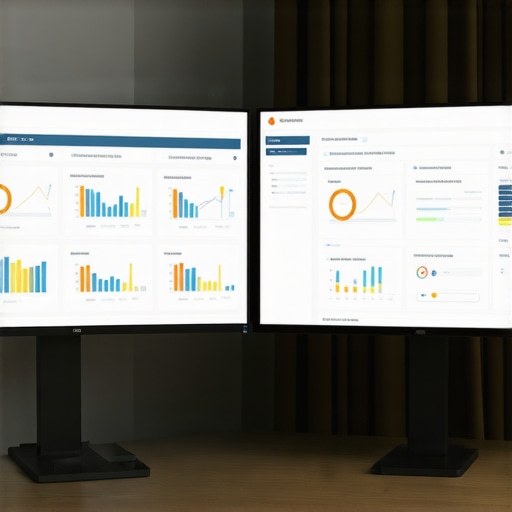
Prompt: A professional workspace with dual monitors displaying financial dashboards, illustrating ongoing financial maintenance and review processes, featuring modern accounting software interfaces. Alt: Modern accountant managing finances with dual monitors. Title: Effective Tools for Long-Term Financial Success.
How do I maintain my financial systems over time?
The key to sustained financial health lies in routine updates, regular review sessions, and leveraging advanced tools that adapt as your business grows. Continuous learning through resources like tax change updates and maintaining close communication with your CPA (see CPA services) will help you stay ahead. Make it a habit to schedule monthly financial reviews and invest in scalable technology solutions—these practices will keep your records accurate, compliant, and ready for an audit at all times.
What I Wish I Knew About Audit Support Before It Became a Nightmare
One of the most valuable lessons I learned was that the real battle isn’t during the audit—it’s in the preparation. Over time, I realized that taking the time to understand the nuances of audit support strategies and the importance of tailored CPA services could make all the difference. Cutting corners or assuming automation alone would suffice set me up for unnecessary stress and potential penalties. Now, I prioritize proactive engagement, continuous learning, and leveraging niche expertise to protect my business.
How Small Tweaks in Record-Keeping Transformed My Audit Readiness
Initially, I underestimated the power of organized documentation. Switching from scattered paper files to a systematic, cloud-backed system with consistent naming conventions drastically decreased last-minute scrambling. Incorporating regular reconciliations using trusted financial tools like advanced reconciliation methods and integrated software helped me catch errors early. These small but consistent actions built a resilient financial foundation that made audit days smooth and even empowering.
Why Relying Solely on Automation Can Be a Double-Edged Sword
Automation tools like bank feed reconciliations are fantastic—but only when combined with oversight. I learned this the hard way when unreviewed automated reports hid discrepancies, leading to red flags during audits. Combining automation with periodic manual checks, knowledgeable CPA insights, and ongoing education—like staying updated with tax law changes—ensures your records remain accurate and audit-proof. Automation isn’t a silver bullet; it’s a tool to be wielded with care and expertise.
How Embracing Continuous Learning Saved Me from Costly Mistakes
Staying ahead in the world of audit readiness requires more than just compliance. I subscribed to targeted resources—like the financeauthoritys guide to tax changes—and regularly collaborated with niche CPA services. This proactive approach helped me understand evolving regulations, identify potential pitfalls, and adapt my strategies preemptively. It’s no longer about reacting to problems—it’s about preventing them before they surface.
How I Built Confidence in My Financial Processes—and You Can Too
The key was shifting from viewing audits as looming threats to seeing them as opportunities for improvement. Regular mock audits, ongoing staff training, and leveraging dedicated audit support strategies turned anxiety into confidence. Remember, effective record-keeping, strategic CPA partnerships, and continuous education create a safety net that not only prepares you for audits but also fuels long-term growth. Your financial systems can serve as the backbone of your success, just as they have for me.
Explore Resources That Make a Difference
To deepen your understanding, I recommend checking out audit support strategies, which provide practical insights tailored to small businesses. For mastering payroll compliance, expert tips are invaluable. These tools have been instrumental in refining my approach and ensuring my financial records withstand scrutiny.
The Power of Proactivity in Financial Health
Your journey doesn’t end here. Embrace continuous learning, refine your record-keeping, leverage expert support, and stay adaptable. Remember, proactive financial management isn’t just about passing audits—it’s about empowering your business to thrive confidently. Take charge today, and turn audit support from a fearsome obstacle into an opportunity for operational excellence. How are you planning to strengthen your financial systems this year? Let me know below.