

Ever had that sinking feeling when your payroll system glitches last-minute, or your audit preparations seem to spiral out of control? I used to think I could handle it all on my own—until a costly mistake nearly cost me my business. It was a lightbulb moment that made me realize the value of expert support. Now, I want to share with you how professional strategies can turn your payroll and audit worries into smooth sailing.
Why You Can’t Afford to Ignore Effective Payroll & Audit Support
In 2024, the landscape of business compliance and financial management is more complex than ever. With frequent regulatory updates and the increasing scrutiny from tax authorities, small businesses must stay vigilant. According to the IRS, small errors in payroll or tax reporting can lead to hefty penalties—sometimes thousands of dollars—if not addressed promptly. That’s a reality I learned the hard way. When I first started, I underestimated how much a small oversight could balloon into a legal headache. Relying solely on generic advice or outdated spreadsheets was a mistake. Instead, partnering with professionals who understand the nuances of expert CPA services changed everything for me.
Is Outsourcing Payroll and Audit Support Actually Worth the Hype?
You might be thinking, “Is this really necessary? Can’t I just do it myself?” I get it. I was skeptical too. But here’s the truth: early on, I missed a crucial deadline because I tried to juggle everything. That mistake cost me not just money but peace of mind. Investing in specialized support isn’t just about avoiding penalties; it’s about gaining confidence that your financial processes are accurate and compliant. When you work with experts who focus on tax preparation and payroll strategies, you free yourself to focus on what you do best—growing your business. Remember, the right support can be a game-changer, especially when navigating the ever-changing rules of 2024.
So, have you faced the chaos of last-minute payroll adjustments or the stress of audit season? If so, you’re not alone, and more importantly, there’s a better way. Let’s explore how to implement effective strategies that will keep your business compliant and stress-free in this new year.
Streamline Your Payroll with Clear Processes
Beginning with payroll, establish a systematic approach similar to assembling a puzzle. Start by gathering all employee data—tax IDs, hours worked, and benefits. Use reliable payroll software or partner with expert CPA services to automate calculations and ensure accuracy. I once manually updated payroll for my team, but a small miscalculation led to a major tax issue. Switching to a dedicated system saved me hours and prevented errors.
Automate and Reconcile Regularly
Set up weekly or bi-weekly reconciliations to catch discrepancies early. Think of this as a health check-up for your finances—spot issues before they become costly. Use integrated tools that sync with your accounting platform. This practice minimizes surprises during tax season and keeps your records audit-ready.
Implement a Robust Tax Strategy
Next, focus on tax preparation. Develop a proactive plan by reviewing your deductions, credits, and compliance requirements in advance. I learned this the hard way when I scrambled last-minute during tax season; it was chaotic and costly. To avoid this, consult tax strategies tailored for small businesses and schedule quarterly reviews with your CPA. This way, you stay ahead and avoid last-minute surprises.
Leverage Technology for Tax Planning
Use cloud-based tax software or CPA-led platforms to track expenses and income continuously. This approach is like having a financial GPS—guiding you through complex regulatory terrain with ease. Regular updates help you maximize deductions and prepare accurate reports, reducing audit risks.
Partner with Experts for Audit Readiness
Finally, prepare for audits by working with audit support specialists. Think of them as your financial bodyguards—protecting your reputation and assets. Schedule periodic audits of your books, document all transactions meticulously, and keep digital backups. I once faced a surprise audit; having everything organized and working with a CPA made the process smooth and quick.
Maintain Ongoing Compliance Checks
Make compliance checks a routine, not a one-time event. Regular reviews of your payroll and tax filings can prevent penalties. Use automated alerts for upcoming deadlines and changes in regulations. This proactive stance is like having a personal trainer for your financial health—keeping you in top shape year-round.
Many small business owners believe that hiring a CPA or using basic tax software automatically guarantees compliance and financial health. However, this assumption often leads to costly mistakes. The truth is, most people underestimate the complexity and nuances involved in effective tax preparation, audit support, and payroll management. Let’s dig deeper into what commonly goes wrong and how to avoid these pitfalls.
Why Do People Think Basic Support Is Enough When It’s Not
It’s a common misconception that a generic CPA or simple payroll software can cover all your needs. While these tools and professionals are vital, they often lack the tailored insights required for your specific industry, size, or growth stage. For example, a small retail business might miss out on industry-specific deductions if relying solely on standard procedures. This is a trap that can lead to missed savings or, worse, audit flags. Partnering with expert CPA services ensures you get strategic advice, not just compliance.
Moreover, many underestimate the importance of proactive planning. Waiting until tax season to scramble for deductions or audit readiness is a mistake. Advanced strategies involve year-round planning, variance analysis, and scenario modeling—areas where seasoned professionals excel. This approach can significantly reduce surprises and penalties.
Beware of the Oops Factor in Payroll and Tax Filing
One of the biggest pitfalls is neglecting ongoing compliance checks. Regular reconciliation and review are often dismissed as unnecessary or too time-consuming. In reality, they are the backbone of accurate financial statements and smooth audits. An overlooked misclassification of a worker as an independent contractor or misreported benefits can trigger an audit. Regular review and leveraging effective payroll tax strategies can prevent this. Think of it as maintaining a clean, well-oiled machine—neglect it, and breakdowns are inevitable.
Is Your Strategy Actually Advanced Enough
For small businesses aiming for growth, the question isn’t just about compliance but about strategic advantage. Are your tax strategies leveraging the latest regulations and incentives? Are your payroll structures optimized for scalability? Many entrepreneurs miss these nuances because they focus on day-to-day operations, leaving strategic planning to chance. An advanced approach involves ongoing education, consulting with top CPA services, and using technology to stay ahead of regulatory changes. This proactive stance can be your competitive edge.
Studies show that businesses engaging in continuous tax planning reduce their effective tax rate by up to 15% compared to those that do not. This is a significant margin that can fund growth initiatives or buffer against unforeseen downturns. Don’t fall into the trap of reactive compliance—be strategic and forward-thinking.
Have you ever fallen into this trap? Let me know in the comments. Remember, understanding these nuances can save you money, time, and stress in the long run.
Maintaining an efficient and reliable financial management system requires more than just selecting the right software; it involves a combination of the best tools, consistent routines, and strategic planning. Over the years, I’ve refined my toolkit to ensure my CPA services, tax preparation, and audit support stay ahead of potential issues and continue to deliver value. Today, I want to share some specifics about the equipment and software I swear by for keeping everything running smoothly.
Why I Trust QuickBooks Online for Daily Financial Tracking
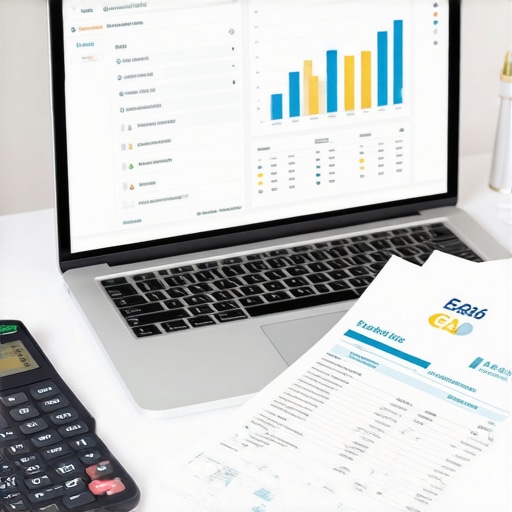
As a small business owner, I need a platform that’s intuitive yet powerful enough to handle complex transactions. QuickBooks Online has been my go-to because of its seamless integration with my bank accounts and its ability to generate real-time reports. I use it daily to reconcile accounts, track expenses, and prepare for tax season. Its automatic bank feeds save me hours each week, making manual data entry nearly obsolete. Plus, its cloud-based nature ensures I can access my data securely from anywhere, which is critical when coordinating with my CPA or during audit preparations.
Leveraging Tax Software for Proactive Planning
I personally rely on tax software platforms that enable me to project potential deductions and credits throughout the year. This proactive approach minimizes last-minute scrambling and helps me plan cash flow accordingly. I’ve found that tools with built-in scenario analysis are invaluable for testing different tax strategies, especially as regulations evolve. Moving forward, I predict tax software will increasingly incorporate AI-driven insights, making real-time recommendations that optimize your tax position dynamically.
Automated Payroll Systems Keep Everything Aligned
For payroll, I use ADP Workforce Now because of its robust compliance features. It automatically updates with new tax laws, calculates withholdings accurately, and even manages benefits administration. The automation reduces errors and frees up my time, allowing me to focus on strategic growth rather than administrative headaches. Regularly reviewing payroll reports through this platform ensures everything remains accurate over time, especially as my team scales.
How do I maintain this system over time?
Consistent review and updates are key. I schedule monthly checks of my financial data, reconcile reports, and stay informed about regulatory changes through trusted sources like tax authority updates. Additionally, I set automated alerts for upcoming deadlines, ensuring nothing slips through the cracks. Incorporating new tools as they emerge, such as AI-powered analytics, will be the next step in future-proofing my processes. For anyone serious about long-term efficiency, I recommend trying out these advanced strategies now; they can significantly reduce stress and improve compliance.
< >
>
What I Wish I Knew Before Relying on Basic CPA and Payroll Support
My biggest lightbulb moment came when I realized that generic financial advice and basic software were not enough to safeguard my business. I learned that tailored strategies and ongoing support from experts can prevent costly mistakes and save time in the long run. For example, partnering with specialized CPA services helped me uncover deductions I would have missed, boosting my profitability.
Why Proactive Planning Outperforms Last-Minute Fixes
Waiting until tax season or audit time to get serious about compliance is a recipe for stress. I found that regular check-ins, using tools like QuickBooks Online, and quarterly reviews with my CPA turned compliance into a routine rather than a crisis. This proactive approach not only reduces penalties but also provides peace of mind, allowing me to focus on strategic growth rather than firefighting.
The Power of Automation and Technology in Financial Management
Investing in automation tools like ADP Workforce Now and advanced tax software transformed my financial processes. Automated reconciliations and real-time reporting ensure accuracy and stay ahead of regulatory changes. These tools, combined with ongoing education, keep my business compliant and competitive, especially in a rapidly evolving compliance landscape.
Final Insight: Continuous Learning Is Your Best Weapon
Staying informed about changes in tax laws, payroll regulations, and audit requirements is crucial. I regularly consult trusted sources and adapt my strategies accordingly. Remember, the most successful businesses are those that view financial management as an ongoing journey, not a one-time task. Embrace the learning curve, leverage expert support, and watch your business thrive in 2024 and beyond.




This article hits on so many key points that I’ve seen firsthand in small business management. The emphasis on proactive support and technology resonates with me—especially the part about regular reconciliation and using integrated tools like QuickBooks and ADP. I used to rely on manual entries and was always worried about errors slipping through, which made audit prep stressful. Since shifting to automated systems and quarterly reviews, my finances are much more organized, and I’ve avoided costly mistakes.
One thing I’ve found particularly helpful is leveraging industry-specific deductions, which often get overlooked with generic support. Have others here also experienced how customizing your tax and payroll strategies can lead to significant savings? It seems like the more tailored and proactive approach, the smoother the process, especially as your team grows.
Reading through this post, I couldn’t agree more with the emphasis on proactive strategies and technology integration. As someone who’s experienced the chaos of last-minute tax filings and payroll errors firsthand, I’ve realized that automation and continuous review are essential, especially as your team grows. Using tools like QuickBooks Online and payroll platforms like ADP has really transformed how I handle daily financial management, saving me hours and a lot of stress. But I wonder, how do small businesses with limited budgets start implementing these solutions effectively? Are there scalable, cost-effective options for startups that want to move away from manual entries without breaking the bank?
I also believe that ongoing education about emerging tax laws is key. When I first began, I relied heavily on generic advice, which sometimes led to overlooked deductions. Partnering with a specialized CPA brought much-needed tailored insights that boosted profitability. For those still hesitant to outsource, perhaps starting with a simple, automated reconciliation system and quarterly CPA reviews could be a good first step. What’s been your experience or biggest hurdle in adopting these technologies or support systems? Would love to hear practical tips from others who’ve navigated this transition.
This article really underscores the importance of proactive and strategic financial management, especially in the context of today’s rapidly evolving regulations. I agree that relying solely on basic software or generic CPA advice can leave gaps that might be costly down the line. When I transitioned to using integrated tools like QuickBooks and automated payroll systems for my small business, I noticed a huge improvement in accuracy and efficiency. But the key was not just choosing the right tools—it was establishing a routine of regular reviews and updates, which prevents errors before they happen.
What I found challenging initially was finding the right support that fits a tight budget while offering tailored advice. For startups, I think solving this puzzle involves balancing automation with expert consultation, maybe starting with quarterly reviews and gradually increasing support as the business grows. Has anyone here found innovative ways to leverage affordable expertise or technology to stay ahead of compliance? I’d love to hear your experiences and tips.