
The Audit Risk of Not Keeping Proper Board Meeting Minutes

I’ll never forget the feeling of my stomach dropping when an IRS auditor looked me dead in the eye and asked for the minutes of a specific 2021 board meeting. At the time, I thought we were being “efficient.” We met, we chatted, we made big decisions, and then we went back to work. Writing things down felt like a chore for people with too much time on their hands. But when that auditor started questioning a major capital expenditure, my lack of documentation made a perfectly legal move look like a shady tax dodge. It was a wake-up call that nearly cost my business its reputation and a hefty chunk of change. Today, I want to walk you through exactly why those “boring” notes are actually your strongest shield. We’re going to look at the audit risks you’re taking when you treat minutes as an afterthought and how you can fix your process before the next notice arrives in your mailbox.
Auditors See the Holes You Forget to Fill
When you’re in the heat of growing a business, the last thing you want to do is play secretary. I get it. I’ve been there, thinking that as long as our bank ledgers matched, we were golden. But an audit isn’t just about the numbers; it’s about the intent behind them. Without a clear record of why certain decisions were made, you leave the door open for an auditor to create their own narrative. If you aren’t creating a document trail that stops auditors in their tracks, you’re essentially gambling with your corporate veil. During my early days, I made the classic mistake of assuming our tax professional would just “figure it out” later. I didn’t realize that even the best CPA services can’t magically manufacture proof of a board’s authorization months after the fact. According to the American Institute of Certified Public Accountants (AICPA), proper documentation of corporate governance is a primary defense against challenges to a company’s tax status or liability protections. Without it, you’re just a person with a bank account, not a protected corporate entity. [image placeholder]
Is a Quick Email Summary Really Not Enough?
You might be thinking, “Hey, I have the email thread where we all agreed to buy that new equipment. Isn’t that enough?” Honestly, no. Emails are messy, they get lost, and they lack the formal structure that proves a “meeting” actually occurred according to your bylaws. Have you ever had a moment where you searched your inbox for hours trying to find proof of an agreement, only to find a vague ‘sounds good’ from three different people? If that’s your current strategy, you’re walking on thin ice. It’s vital to have your CPA review your operating agreement to ensure your meeting frequency and documentation style actually match what you legally promised to do. Tell me, has a lack of paperwork ever come back to haunt you during a tax season or a bank loan application? I’d love to hear how you handled it. Setting the stage for a cleaner, more defensible record-keeping habit starts with realizing the auditor is looking for what’s missing as much as what’s there.
Turn Your Meeting Scribbles into Legal Armor
To move from messy emails to auditor-proof records, you need a standardized template. Think of your minutes as the ‘black box’ recorder of a plane; if something goes sideways, this is the first thing investigators check. Every set of minutes should include the date, time, attendees, and specifically, the resolutions passed. I remember back in 2022 when we decided to pivot our marketing strategy. It involved a huge upfront cost. Because we documented the board’s approval and the business reason for the shift, when our auditor asked about the sudden spike in expenses, I didn’t have to break a sweat. I just handed over the signed resolution. If you aren’t sure where to start, looking at the specific documents you need for a clean audit review can give you a roadmap for what auditors actually look for in your files. 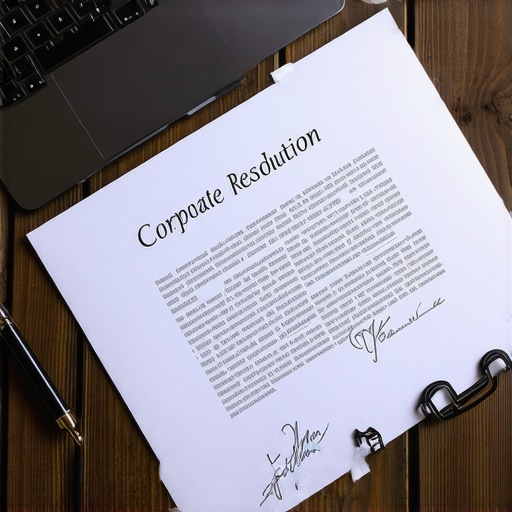
Link Your Dollars to Decisions
An auditor’s favorite weapon is ‘recharacterization.’ They love to take a business expense and call it a personal gift or a dividend. To prevent this, your minutes must act as a bridge between your bank statement and your business goals. For example, if you’re buying a fleet of vehicles, don’t just record ‘bought cars.’ Record why the purchase was necessary for revenue growth. This is the best way to document large capital purchases so they stick during a review. It’s like providing a GPS coordinate for every major dollar that leaves your account. Without that coordinate, the IRS assumes you’re just lost in the woods with their money.
Get Professional Eyes on Your Paper Trail
You wouldn’t perform surgery on yourself, so don’t assume your legal documentation is perfect without a second opinion. One of the best audit support strategies every business needs in 2025 is a quarterly ‘governance scrub.’ This is where you sit down with your advisor to ensure your minutes reflect your actual operations. I once had a client who was technically an S-Corp but hadn’t held a formal meeting in three years. We caught it during a routine check, reconstructed the history through their project management logs, and saved them from a potential ‘piercing of the corporate veil.’ This kind of foresight is among the tax preparation secrets to save money this year because it prevents the high cost of legal defense later. If your current team isn’t looking at your governance, it might be a sign that your business needs a real CFO, not just a bookkeeper to handle the heavy lifting of compliance and strategy.People love to tell you that modern software has ‘solved’ accounting. It’s a comforting lie. In my experience, the more automated a system becomes, the easier it is to hide a catastrophic error in plain sight. I’ve seen founders lean so hard on ‘auto-categorization’ that their personal gym memberships were being written off as ‘professional development’ for months before we caught it. The reality is that why manual data entry is the single biggest threat to your books isn’t about the typing—it’s about the lack of human review. If you aren’t careful, why your accounting softwares automatic sync is often wrong becomes a reality that turns your general ledger into a work of fiction.
Does your software actually understand your out-of-state nexus?
This is the advanced trap most growing companies fall into. You hire a great developer in Texas or a designer in Florida, and you think you’re just growing. But according to a study by the Tax Foundation, the complexity of state-level tax ‘nexus’ is one of the top reasons businesses face unexpected penalties. Your generic software doesn’t know the specific local filing requirements for a remote team. If you don’t realize why your remote hiring strategy might trigger out-of-state tax nexus, you’re essentially building a debt to state governments that you don’t even know exists.  This is where the hidden risks of using generic diy tax software for complex filings really start to bite. These tools are built for the ‘average’ user, but as an ambitious founder, your business is anything but average. I often find that the reason most multi-state businesses fail their audits isn’t intentional fraud—it’s a lack of structural oversight during the growth phase. Have you ever fallen into this trap? Let me know in the comments. We once spent three months helping a client discover how to correct a prior year tax error without triggering a full audit after they accidentally claimed a massive deduction their software ‘suggested’ but wasn’t legally eligible for. It’s a stressful way to spend your summer. Digging deeper means looking past the pretty dashboard and realizing that why your general ledger is hiding your best tax deductions is often because the software can’t see the ‘why’ behind your spending—only a human expert can do that.I’ve spent years testing every app that promises to ‘disrupt’ accounting. Most of them just disrupt my sleep. To keep things working, I rely on a tight integration between my bank, a digital capture tool like Dext, and my ledger. If you’re still wrestling with paper, learning how to organize your receipts without using a shoebox is the first hurdle you have to clear. I personally use Hubdoc because it pulls my bank statements automatically, which cuts my admin time in half. But even the best tech fails if you don’t have a checklist for vetting a new accounting software integration. I’ve seen too many ‘one-click’ setups delete six months of payroll data because of a simple API mismatch.
How do I keep this system running without losing my mind?
The secret isn’t a better app; it’s a better rhythm. I’ve found that why your monthly bank reconciliation is non-negotiable is the ultimate truth in finance. If you wait until December to look at your numbers, you aren’t managing a business; you’re performing an autopsy. This is why I advocate for the hidden benefit of monthly rather than yearly tax planning. It allows you to pivot when you see a cash leak. For my multi-state ventures, I don’t trust generic tools—I look for specialized systems capable of managing payroll for a 50-state workforce. If you’re scaling fast, this is where your business needs a real CFO, not just a bookkeeper becomes apparent. They see the potholes before you hit them.  One thing I’ve noticed is that as we move toward 2025, the IRS is getting much more aggressive with their automated matching systems. According to IRS Publication 583, ‘Starting a Business and Keeping Records,’ the burden of proof is entirely on you to support every entry on your return. In the future, I predict we’ll see ‘real-time auditing,’ where tax authorities have direct, read-only access to business ledgers. To prepare, you need audit support strategies every business needs in 2025 that focus on daily compliance rather than ‘cleanup’ weeks. This is why modern CPA services are shifting away from once-a-year filings toward continuous advisory roles. If you want to stop the stress today, try this: schedule a 20-minute ‘health check’ on the 15th of every month. Open your P&L, look for the weirdest expense, and trace it back to the receipt. If you can’t find it in 30 seconds, your system is broken. Fix it now, or the IRS will fix it for you—at a much higher price.
Hard Lessons from the Audit Front Lines
Looking back at that meeting with the auditor, I realize I wasn’t just missing paperwork; I was missing a mindset of professionalism. One of the biggest shifts I made was realizing that audit support key steps to ensure financial transparency aren’t just about avoiding fines; they are about proving the value of your business to the outside world. I learned that an auditor is much more likely to trust a founder who has a boring, organized folder than one who has a collection of ‘innovative’ excuses. Another lightbulb moment was discovering how to organize your digital receipts for a stress-free audit defense so that I never have to scramble through a cloud drive while someone from the IRS waits for an answer. Lastly, I’ve come to treat my finance authoritys guide to staying ahead of tax changes in 2025 as a mandatory monthly read, not something to glance at in April. Compliance is a living process, not a static event.
The Toolkit I Use to Stay Bulletproof
To keep my sanity and my ledger clean, I’ve curated a small but powerful set of resources. First, I highly recommend adopting a strict digital capture habit using tools like Hubdoc or Dext to ensure nothing is lost to the ‘shoebox’ of doom. Second, I constantly refer back to the latest guidelines on mastering payroll compliance expert tips for 2025 success because payroll is often the first place auditors look for easy wins. Third, I believe every growing founder needs a relationship where cpa services demystified unlock your business growth potential becomes a reality; you need someone who speaks the language of the IRS so you don’t have to. These tools don’t just save time—they buy you peace of mind.
Ready to Secure Your Financial Future
You’ve worked too hard to build your company to let a few missing paragraphs in a board meeting or a messy general ledger take it all away. Moving from reactive panic to proactive organization is the single best investment you can make this year. As you refine your tax preparation habits, remember that you are building a fortress around your assets. You have the tools, the knowledge, and now the roadmap to handle whatever the tax authorities throw your way. If you ever feel overwhelmed, remember that even how to survive a state level employment audit notice starts with just one organized document at a time. Have you ever had a moment where a simple piece of documentation saved your business from a major headache? I’d love to hear your story in the comments below.