
The checklist for documenting your business meals correctly

I still remember the cold sweat I felt during my first serious sit-down with a tax professional. I had a shoebox—literally—full of crinkled receipts from various diners and coffee shops. I thought I was being organized. But when he picked up a $150 receipt from a local bistro and asked, ‘Who was this with and what was the business purpose?’ I just blinked. I had no idea. It was just a lunch. I realized right then that I wasn’t just being messy; I was being reckless with my company’s future. Most of us treat business meals as a casual perk of being the boss, but the IRS sees it as a high-risk area for abuse. Today, we are going to fix your documentation habits forever.
Why Your Faded Receipts Are a Recipe for Disaster
Most of us grab the tab, swipe the card, and forget about it. But here’s the cold, hard truth: the IRS doesn’t care about your bank statement alone. They want the who, what, where, and why for every single bite. If you aren’t careful, those [misclassified business expenses in your ledger](https://financeauthoritys.com/the-simple-fix-for-misclassified-business-expenses-in-your-ledger) will become a neon sign for an auditor. Trust me, I learned the hard way that [tax preparation secrets to save money](https://financeauthoritys.com/tax-preparation-secrets-to-save-money-this-year) are useless if you can’t back them up with a paper trail. I used to think [CPA services](https://financeauthoritys.com/cpa-services-demystified-unlock-your-business-growth-potential) were some magic wand that could wave away my lack of documentation. They aren’t. They are your defense, but you have to give them the ammunition to protect you. According to the IRS Publication 463, business meal expenses must be ordinary and necessary and cannot be lavish or extravagant. But ordinary doesn’t mean unrecorded. Today, I’m going to walk you through the exact checklist I use now to ensure every dinner and coffee meeting is bulletproof. We’ll stop the leakage and make sure you’re actually getting the deductions you deserve without the midnight panic. Have you ever looked at a receipt from six months ago and realized you have absolutely no clue what it was for? Tell me I’m not the only one who has struggled with this!
Will the IRS Actually Audit Your Lunch?
You might be thinking this is overkill. Surely they have bigger fish to fry than a $40 sandwich, right? Well, [audit red flags hiding in your company travel expenses](https://financeauthoritys.com/the-audit-red-flags-hiding-in-your-company-travel-expenses) often start with the small stuff. It’s the pattern of undocumented small expenses that makes them dig deeper into your [payroll compliance](https://financeauthoritys.com/mastering-payroll-compliance-expert-tips-for-2025-success) or your personal assets. When I was starting out, I ignored the small meal logs because they seemed tedious. That laziness almost cost me a massive deduction during a routine review. It’s not just about the $40; it’s about proving your business is run with professional integrity. Using [professional CPA services](https://financeauthoritys.com/how-cpa-services-can-transform-small-business-accounting) helps, but the daily habit of documentation starts with you at the table.
Write It Down Before You Leave the Table
The biggest mistake I ever made was assuming I would remember the details of a $200 client dinner a month later. I didn’t. By the time I sat down to do my books, that dinner was a blurry memory of steak and talk about quarterly projections. To the IRS, that blur is a liability. You need to adopt the five-W habit immediately: Who was there, What was discussed, Where did it happen, When did it occur, and Why was it a business necessity? I started keeping a thin felt-tip pen in my laptop bag specifically for this. The moment the waiter drops the check, I scribble those five points on the back of the physical receipt. It takes thirty seconds, but it saves hours of forensic accounting later. If you want to know how to spot margin leaks with better expense tracking, it starts with these micro-habits at the table. Waiting until the end of the month is a fantasy that leads to lost deductions and increased stress.
Stop Trusting Your Memory for Tax Time
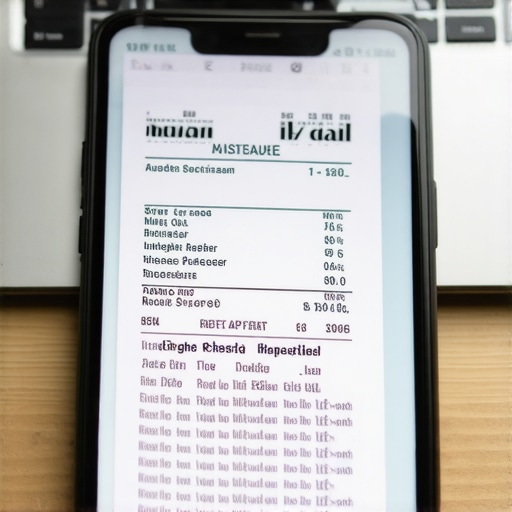
Paper is fragile, and thermal receipt ink has a shelf life shorter than a carton of milk. I once lost a massive deduction because a stack of receipts I’d kept in my car’s glove box turned into blank white slips of paper due to the summer heat. That was the day I went 100% digital. Every time I write those notes on a receipt, I snap a photo of it using a cloud-based tracking app. This ensures that even if the physical copy vanishes, the digital proof is timestamped and categorized. This isn’t just about being tech-savvy; it is about audit support key steps to ensure financial transparency. When an auditor sees a digital folder where every image is clear and annotated, they stop digging. They see a professional who is in control. This level of organization is also why tax preparation secrets to save money this year actually work—you can’t claim what you can’t prove. If you are struggling with a backlog, the simple way to categorize messy business expenses for better margins is to start today and move forward, rather than drowning in the past.
Sync Your Ledger Without the Stress
Your bank feed is not your ledger. Just because a transaction shows up on your screen doesn’t mean it is correctly classified for the IRS. I used to think that as long as my bank statement matched my spending, I was safe. I was wrong. You have to ensure how to ensure your ledger matches your bank statement perfectly while also attaching the specific business purpose to each meal. I remember a specific instance where I had two identical charges from the same cafe on the same day—one was a quick coffee for myself (non-deductible), and the other was a strategy session with a contractor (deductible). Without the receipt notes, they looked like a duplicate error. By keeping these separate, you maintain the integrity of your books. This is a core part of mastering payroll compliance expert tips for 2025 success if you are also reimbursing employees for their meals. Consistency is the only way to stay ahead. If you find yourself overwhelmed, it might be a sign that why your bookkeeping needs to be done weekly instead of monthly is the most important lesson for your business growth this year. Keeping a clean trail allows you to focus on the actual business, knowing the defense is already built.
I see it all the time with my peers: the belief that hiring a professional means you can stop worrying about the details. But here is a contrarian take that might sting: Your CPA is not a magician; they are a historian. If you hand them a messy pile of data, they can only record the mess more accurately. The problem with DIY tax filing for growing professional firms often spills over even when they hire help, because the underlying documentation habits are broken. You might think you’re paying for a shield, but without clear records, you’re handing your accountant a paper umbrella in a thunderstorm. This is where how to build a tax defense that protects your personal assets starts—long before you ever send a file to your tax preparer.
Can Your Software Actually Defend You in a Real Audit?
There’s a dangerous myth that modern automation solves everything. We’ve been told that AI and “auto-categorization” are the future of bookkeeping. In reality, why your software isn’t catching these common tax errors is often down to context. An algorithm sees a charge at a steakhouse and labels it “Meals & Entertainment.” It doesn’t know that half of that bill was a bottle of wine you shared with your spouse after the client left. According to a study highlighted by the Journal of Accountancy, adequate records must be contemporaneous—meaning recorded at or near the time of the expense. If your software just pulls a bank feed without your manual input on the “who and why,” it’s failing you. This lack of nuance is why your bookkeeping needs to be done weekly instead of monthly. By week four, you’ve forgotten the nuance that makes the expense legitimate.

One specific trap I see seasoned owners fall into is the “itemization fail.” You might have a receipt that looks business-related, but if it includes personal items—like a pack of gum or a personal magazine bought at an airport—the IRS can use that one “oops” to call your entire ledger into question. It’s called commingling, and it’s a fast track to losing your corporate veil. When you start vetting your CPA for niche industry expertise before hiring, ask them how they handle these granular splits. A generalist might miss it, but a specialist will tell you to run two separate transactions. This is the level of detail required for audit support strategies every business needs in 2025. If you aren’t being this precise, you aren’t just risking a small fine; you’re risking the integrity of your entire mastering payroll compliance expert tips for 2025 success and tax strategy. Have you ever fallen into this trap where a small personal item snuck onto a business tab? Let me know in the comments!
Ultimately, the reason your business model needs a professional tax review isn’t just to find more deductions—it’s to identify these structural weaknesses in how you spend money. Whether you are transitioning to accrual accounting without the typical headache or just trying to survive another April, the nuance is in the “Why.” Why your financial reports are vital for your next business loan is because they prove you are a disciplined operator. If you can’t explain a meal from last July, how can a bank trust your projections for next June? If you’re feeling the weight of a messy ledger, how to clean up your ledger before tax season officially starts should be your top priority this weekend. Don’t wait for the IRS notice to start caring about the details.
The Tech Stack That Actually Keeps Me Sane
Building a bulletproof paper trail isn’t about being a martyr to manual entry; it’s about choosing a system that does the heavy lifting for you. After years of trial and error, I’ve found that transitioning to a cloud-based accounting system safely is the only way to stay competitive. I personally rely on a combination of OCR-heavy tools like Dext and a robust ledger. Why? Because the OCR (Optical Character Recognition) in these apps is now sophisticated enough to pull not just the total, but the specific tax lines, which is crucial for audit support strategies every business needs in 2025. I make it a non-negotiable rule: if a receipt isn’t scanned within ten minutes of the transaction, it doesn’t exist. This level of discipline is what separates a business that survives an inquiry from one that crumbles. If you’re still handling physical folders, you are operating in the dark ages of finance.
How do I maintain these clean records as my business scales?
The secret isn’t more software; it’s a more consistent process. As you grow, you’ll find that the moves to make when your business outgrows your bookkeeper involve setting up a rigorous month-end close. I set a recurring calendar event for every Friday at 3:00 PM to review my pending transactions. This is where reconciling your bank feed without losing your mind this week becomes a 15-minute task instead of a three-day ordeal. When you have a team, this habit becomes even more vital because you need to oversee their spending too. This is why I always advocate for choosing a nexus-friendly tech stack for multi-state e-commerce if you sell across borders; the software must be able to handle local nuances while you focus on the big picture.

According to the IRS Revenue Procedure 97-22, electronic storage systems must provide a complete and accurate record of your business transactions that is accessible for inspection. This means your digital copies must be legible and organized. I don’t just keep them for the IRS, though; I keep them for my own peace of mind. Knowing that my guide to staying ahead of tax changes in 2025 is backed by a verifiable history allows me to make aggressive growth moves without fear. If you want to take your efficiency to the next level, I recommend trying this: for the next 30 days, do not allow a single business expense to go uncategorized for more than 48 hours. You will be shocked at how much clearer your cash flow looks when the ‘Uncategorized’ bucket is empty.
The Future of Taxes Is Happening in Real Time
We are moving away from the era of ‘Tax Season’ and into the era of ‘Constant Compliance.’ In the next few years, I predict we will see real-time reporting mandates from state governments, similar to what we see in parts of Europe. This means how CPA services can transform small business accounting will shift from historical reporting to proactive strategy. If you are already in the habit of daily or weekly reconciliation, you won’t even blink when these changes arrive. You’ll already have the infrastructure to provide data at a moment’s notice, which is also why your financial reports are vital for your next business loan. Discipline today is your greatest asset for tomorrow’s opportunities.
The Quiet Reality of Building a Bulletproof Audit Defense
After years of navigating the tax landscape, I’ve realized that the real secret isn’t a complex algorithm; it’s the shift from being a ‘spender’ to being a ‘steward.’ When you start viewing every receipt as a piece of evidence rather than a chore, the anxiety of tax season evaporates. The secret to getting your tax documents organized early isn’t about working harder in March; it’s about the thirty seconds you spend at the table today. I used to think audit support key steps to ensure financial transparency were only for huge corporations, but as a small business owner, these habits are your life raft.
I also learned that transparency is addictive. Once you have a clean ledger, you stop guessing and start knowing. This clarity allows you to make bold hires or investments because you aren’t worried about a hidden liability lurking in your coffee expenses. This is the foundation of tax prep tips for freelancers and gig workers in 2025—treating your smallest venture with the same rigor as a Fortune 500 company. When you act like a big business, you eventually become one.
#IMAGE_PLACEHOLDER_E#
The Essential Toolkit for Every Scalable Business
If you want to move beyond the shoebox, I recommend these three specific pillars. First, dedicate a specific time for your books; I’ve found that why your business needs a consistent month-end close process is the number one predictor of long-term financial health. Second, pick an OCR tool like Dext or Expensify to handle the ‘memory’ part of the equation so you never lose a thermal receipt to heat again. Third, don’t just read the blogs—actually download the IRS Publication 463 and keep it in your digital drive. Having the direct source material makes you a more informed and confident client when you finally sit down for your annual tax preparation.
Taking Back Control of Your Financial Narrative
Your business is more than just a series of transactions; it is the manifestation of your hard work and vision. Don’t let a few missing meal descriptions jeopardize the legacy you are building. By mastering these small habits, you aren’t just saving a few dollars on taxes; you are building a professional discipline that will serve you in every negotiation, loan application, and growth phase. Tax preparation doesn’t have to be a season of fear—it can be a season of celebration for a year well-documented and a business well-managed. Have you ever had a specific meal expense that was a nightmare to categorize months later? Let me know in the comments below!