
Why Most Small Business Audits Start with This One Document
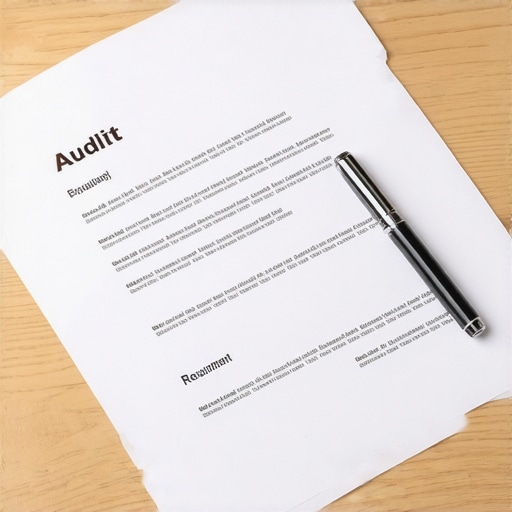
I still remember the ice-cold dread that settled in my stomach when I opened that official, windowed envelope from the state tax department. It was my second year in business. I was working fourteen-hour days, fueled by cheap coffee and pure adrenaline, convinced my messy stack of receipts and a subscription to a basic accounting tool made me bulletproof. It did not. I made a massive, rookie mistake early on: I assumed that if my bank account had a positive balance, my books were clean. When that first audit notice arrived, the very first thing the auditor demanded wasn’t my shoe box of receipts or my fancy software login. They wanted my general ledger. I didn’t even know how to export it properly at the time. It was a brutal wake-up call that taught me exactly how audit support actually works in the real world.
The General Ledger is Always Ground Zero
Every single tax examiner, state investigator, and insurance auditor starts their quest in the exact same place: your general ledger. Think of it as the DNA of your business. It is the master record of every single financial transaction your company has ever made, sorted by account. If your ledger is messy, your audit is going to be long, painful, and very expensive. Early in my journey, I didn’t realize that why your chart of accounts is making audits harder is because an unorganized ledger acts like a giant red flag to an auditor, practically begging them to dig deeper into your business operations.
Are you secretly terrified of a surprise tax notice?
It is completely normal to feel a spike of anxiety when thinking about the IRS or state authorities looking through your books. According to a surprising study by the IRS Statistics of Income Division, a significant percentage of small business audits result in changes to tax liability simply due to poor record-keeping rather than actual fraud. Today, we are going to demystify this critical document so you can face any potential review with absolute confidence. Have you ever opened your financial software, looked at your ledger, and realized you had absolutely no idea if your transactions were categorized correctly? If so, you are definitely not alone. Getting this sorted out is the ultimate way to protect your hard-earned business.
Before you can even begin thinking about tax preparation or saving money on your annual filings, you have to ensure your foundation is solid. Let’s dive into how you can transform your ledger from a source of anxiety into an impenetrable shield.
First Phase of Defense: Reconcile Every Account to Zero Discrepancies
Reconciling your bank feeds is not just a Sunday chore you can put off. Think of your bank reconciliation as a digital handshake between your actual cash and your internal books. If they do not match down to the exact penny, your general ledger is essentially a work of fiction. During that horrific first audit, I had a series of automated bank feed errors where duplicate transactions slipped through unnoticed. I had blindly assumed my cloud accounting system was flawless. It was not. Because I had not performed regular checks, the auditor flagged those double entries as hidden income, and I had to spend three sleepless nights tracing every single line item back to its physical source. Learn from my panic and figure out how to ensure your ledger matches your bank statement perfectly before someone else points out the errors for you.
Stop Relying Blindly on Automated Software Feeds
Many business owners believe modern software solves everything. In reality, modern tools just automate our mistakes at a much faster rate. It is critical to learn how to identify errors in your automated bookkeeping software before tax season arrives. You cannot simply press ‘approve’ on every suggested match. You must cross-reference your actual bank statements with your balance sheet accounts every single month without exception. If you find mismatched amounts or duplicated records, delete them immediately and re-link the original source document.
The Categorization Clean-Up
Once your accounts match your bank statements, you must look closely at where those transactions are categorized. Misclassified expenses are like leaving a trail of breadcrumbs that lead an auditor straight to your personal finances. I remember categorizing a high-end client dinner under ‘office supplies’ because I was in a rush and my software default settings suggested it. During my review, the auditor spotted that single entry, which triggered a painful, line-by-line inspection of every single receipt from that fiscal year. I could have saved myself weeks of stress simply by applying the simple fix for misclassified business expenses in your ledger.
Clean Up the Ledger Before the Year Ends
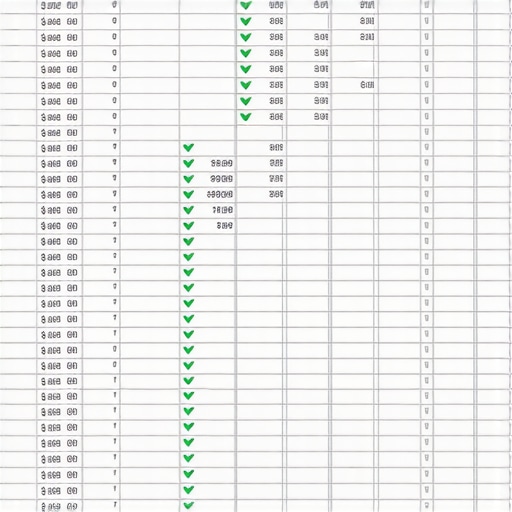
If you wait until April to look at your ledger, you have already lost the game. You should proactively learn how to clean up your ledger before tax season officially starts. This means setting aside two hours at the end of every month to audit your own categories. Check your travel, meals, and entertainment categories particularly closely, as these are the exact areas tax examiners scrutinize first. If you spot personal items mixed in, move them to an owner’s draw account immediately to maintain your corporate liability shield.
Bring in Professional Oversight Before the Alarm Rings
You do not have to fight this battle alone. Many founders start out managing everything themselves, only to realize too late that their books are a ticking time bomb. Investing in expert CPA services can shift the burden off your shoulders and give you absolute confidence in your financial data. When I finally hired a professional to review my books after that first audit disaster, they uncovered multiple structural errors in my chart of accounts that would have triggered another audit the following year. They helped me realize that understanding how CPA services can transform small business accounting is the true turning point for any scaling business that wants to protect its profits and maintain peace of mind.
Everyone tells you that as long as you keep your receipts and file your forms on time, you are safe from the tax authorities. But in my experience, that is a dangerous myth. The reality of professional audit support is that examiners do not just look at your end-of-year numbers; they look at your decision-making patterns. A pristine tax return backed by a chaotic, retroactively reconstructed ledger will still trigger massive penalties during a deep-dive review. If you are solely relying on automated software to categorize complex transactions, you are essentially leaving your financial safety to a basic algorithm that does not understand tax law nuances.
Why is your payroll data the quietest trigger for a federal review?
Many founders do not realize that state and federal agencies frequently share data. A minor discrepancy in how you classify remote workers or handle localized deductions can instantly trigger an inquiry. According to a comprehensive compliance study by the IRS Statistics of Income Division, employment tax adjustments make up a massive portion of unexpected small business tax assessments. When you fail to run a regular why your payroll ledger needs a monthly internal audit, you miss systemic errors that compound over twelve months. By the time your annual tax filing comes around, those tiny software sync errors have snowballed into a major compliance liability.

The ultimate trap here is thinking your software choice equals compliance. It does not. In fact, why your payroll software choice dictates your compliance level comes down to how you configure and monitor those tools, not just the brand name on the monthly subscription invoice. If you are managing employees across different jurisdictions, the risk multiplies. If you do not have a robust strategy, you should look into the move that handles payroll across state lines without penalties before local tax authorities flag your accounts. Have you ever fallen into this trap of trusting automated tools blindly? Let me know in the comments below.
Ultimately, surviving an audit or avoiding one altogether requires moving past basic bookkeeping into strategic, year-round planning. Partnering with seasoned professionals to handle your CPA services guarantees that you have an expert who understands how to defend your deductions. Instead of scrambling to patch up your books every spring, a continuous review system keeps your business permanently audit-ready, allowing you to focus on growth with absolute peace of mind.
I used to think that getting through one clean tax season meant I was in the clear forever. It took me a few years of running a growing business to realize that compliance is not a static milestone; it is an ongoing, daily discipline. If you only look at your financial data when it is time for tax preparation, you are constantly playing catch-up. To keep your business permanently safe from aggressive examiners, you need a highly specific set of tools and a routine that turns chaotic data collection into a calm, systematic process.
My Personal Toolkit for Keeping the Ledger Pristine
I do not rely on generic, out-of-the-box cloud accounting setups without custom guardrails. In my office, we use dedicated document collection systems like Dext or Hubdoc paired directly with our primary ledger software. This ensures that every single transaction has a PDF receipt attached to it within 24 hours of the purchase. This habit prevents the dreaded search for missing receipts during an unexpected state review. Additionally, I enforce a strict rule: we perform our bank reconciliation weekly. If you want to stop losing sleep over unexpected balance issues, you must commit to why your bookkeeping needs to be done weekly instead of monthly. It reduces the time spent tracking down mysterious transactions from weeks to just minutes because the purchase is still fresh in your mind.
How do I maintain my audit-ready ledger over time?
To keep your books pristine without burning out, you need to establish a consistent cadence. This is not about doing heavy accounting work every day; it is about setting up automated system alerts and scheduling a non-negotiable monthly review. First, configure your accounting platform to flag any transaction over a specific dollar threshold that lacks an attached receipt. Second, ensure that you or your financial team complete a comprehensive checklist at the end of every single month. By implementing why your business needs a consistent month-end-close process, you lock down past periods so that no historical data can be accidentally edited or deleted, which is a major red flag for state auditors.

As we look toward the future of financial compliance, artificial intelligence is rapidly changing how audits are conducted. Tax agencies are already deploying predictive machine learning algorithms to scan corporate filings for anomalies. According to the technical guidelines on automated compliance scanning published by the Organisation for Economic Co-operation and Development (OECD), tax administrations are increasingly utilizing real-time transactional data matching to identify non-compliance instantly. This means that retroactively fixing your books at the end of the year will soon be completely obsolete. Your financial records will need to be accurate in real-time, making structured audit support and professional oversight more critical than ever before.
If you want to take immediate control of your financial security today, I challenge you to try one specific advanced tip: log into your accounting software right now, pull your current balance sheet, and check for any uncategorized assets or mysterious suspense accounts. If you find transactions sitting there, do not leave them for next year. Reach out to a professional to learn how customized CPA services can clean up these hidden errors before they catch the eye of an automated state tax algorithm.
I still remember the ice-cold dread that settled in my stomach when I opened that official, windowed envelope from the state tax department. It was my second year in business. I was working fourteen-hour days, fueled by cheap coffee and pure adrenaline, convinced my messy stack of receipts and a subscription to a basic accounting tool made me bulletproof. It did not. I made a massive, rookie mistake early on: I assumed that if my bank account had a positive balance, my books were clean. When that first audit notice arrived, the very first thing the auditor demanded wasn’t my shoe box of receipts or my fancy software login. They wanted my general ledger. I didn’t even know how to export it properly at the time. It was a brutal wake-up call that taught me exactly how audit support actually works in the real world.
The General Ledger is Always Ground Zero
Every single tax examiner, state investigator, and insurance auditor starts their quest in the exact same place: your general ledger. Think of it as the DNA of your business. It is the master record of every single financial transaction your company has ever made, sorted by account. If your ledger is messy, your audit is going to be long, painful, and very expensive. Early in my journey, I didn’t realize that why your chart of accounts is making audits harder is because an unorganized ledger acts like a giant red flag to an auditor, practically begging them to dig deeper into your business operations.
Are you secretly terrified of a surprise tax notice?
It is completely normal to feel a spike of anxiety when thinking about the IRS or state authorities looking through your books. According to a surprising study by the IRS Statistics of Income Division, a significant percentage of small business audits result in changes to tax liability simply due to poor record-keeping rather than actual fraud. Today, we are going to demystify this critical document so you can face any potential review with absolute confidence. Have you ever opened your financial software, looked at your ledger, and realized you had absolutely no idea if your transactions were categorized correctly? If so, you are definitely not alone. Getting this sorted out is the ultimate way to protect your hard-earned business.
Before you can even begin thinking about tax preparation or saving money on your annual filings, you have to ensure your foundation is solid. Let’s dive into how you can transform your ledger from a source of anxiety into an impenetrable shield.
First Phase of Defense: Reconcile Every Account to Zero Discrepancies
Reconciling your bank feeds is not just a Sunday chore you can put off. Think of your bank reconciliation as a digital handshake between your actual cash and your internal books. If they do not match down to the exact penny, your general ledger is essentially a work of fiction. During that horrific first audit, I had a series of automated bank feed errors where duplicate transactions slipped through unnoticed. I had blindly assumed my cloud accounting system was flawless. It was not. Because I had not performed regular checks, the auditor flagged those double entries as hidden income, and I had to spend three sleepless nights tracing every single line item back to its physical source. Learn from my panic and figure out how to ensure your ledger matches your bank statement perfectly before someone else points out the errors for you.
Stop Relying Blindly on Automated Software Feeds
Many business owners believe modern software solves everything. In reality, modern tools just automate our mistakes at a much faster rate. It is critical to learn how to identify errors in your automated bookkeeping software before tax season arrives. You cannot simply press ‘approve’ on every suggested match. You must cross-reference your actual bank statements with your balance sheet accounts every single month without exception. If you find mismatched amounts or duplicated records, delete them immediately and re-link the original source document.
The Categorization Clean-Up
Once your accounts match your bank statements, you must look closely at where those transactions are categorized. Misclassified expenses are like leaving a trail of breadcrumbs that lead an auditor straight to your personal finances. I remember categorizing a high-end client dinner under ‘office supplies’ because I was in a rush and my software default settings suggested it. During my review, the auditor spotted that single entry, which triggered a painful, line-by-line inspection of every single receipt from that fiscal year. I could have saved myself weeks of stress simply by applying the simple fix for misclassified business expenses in your ledger.
Clean Up the Ledger Before the Year Ends
If you wait until April to look at your ledger, you have already lost the game. You should proactively learn how to clean up your ledger before tax season officially starts. This means setting aside two hours at the end of every month to audit your own categories. Check your travel, meals, and entertainment categories particularly closely, as these are the exact areas tax examiners scrutinize first. If you spot personal items mixed in, move them to an owner’s draw account immediately to maintain your corporate liability shield.
Bring in Professional Oversight Before the Alarm Rings
You do not have to fight this battle alone. Many founders start out managing everything themselves, only to realize too late that their books are a ticking time bomb. Investing in expert CPA services can shift the burden off your shoulders and give you absolute confidence in your financial data. When I finally hired a professional to review my books after that first audit disaster, they uncovered multiple structural errors in my chart of accounts that would have triggered another audit the following year. They helped me realize that understanding how CPA services can transform small business accounting is the true turning point for any scaling business that wants to protect its profits and maintain peace of mind.
Everyone tells you that as long as you keep your receipts and file your forms on time, you are safe from the tax authorities. But in my experience, that is a dangerous myth. The reality of professional audit support is that examiners do not just look at your end-of-year numbers; they look at your decision-making patterns. A pristine tax return backed by a chaotic, retroactively reconstructed ledger will still trigger massive penalties during a deep-dive review. If you are solely relying on automated software to categorize complex transactions, you are essentially leaving your financial safety to a basic algorithm that does not understand tax law nuances.
Why is your payroll data the quietest trigger for a federal review?
Many founders do not realize that state and federal agencies frequently share data. A minor discrepancy in how you classify remote workers or handle localized deductions can instantly trigger an inquiry. According to a comprehensive compliance study by the IRS Statistics of Income Division, employment tax assessments make up a massive portion of unexpected small business tax assessments. When you fail to run a regular why your payroll ledger needs a monthly internal audit, you miss systemic errors that compound over twelve months. By the time your annual tax filing comes around, those tiny software sync errors have snowballed into a major compliance liability.
The ultimate trap here is thinking your software choice equals compliance. It does not. In fact, why your payroll software choice dictates your compliance level comes down to how you configure and monitor those tools, not just the brand name on the monthly subscription invoice. If you are managing employees across different jurisdictions, the risk multiplies. If you do not have a robust strategy, you should look into the move that handles payroll across state lines without penalties before local tax authorities flag your accounts. Have you ever fallen into this trap of trusting automated tools blindly? Let me know in the comments below.
Ultimately, surviving an audit or avoiding one altogether requires moving past basic bookkeeping into strategic, year-round planning. Partnering with seasoned professionals to handle your CPA services guarantees that you have an expert who understands how to defend your deductions. Instead of scrambling to patch up your books every spring, a continuous review system keeps your business permanently audit-ready, allowing you to focus on growth with absolute peace of mind.
I used to think that getting through one clean tax season meant I was in the clear forever. It took me a few years of running a growing business to realize that compliance is not a static milestone; it is an ongoing, daily discipline. If you only look at your financial data when it is time for tax preparation, you are constantly playing catch-up. To keep your business permanently safe from aggressive examiners, you need a highly specific set of tools and a routine that turns chaotic data collection into a calm, systematic process.
My Personal Toolkit for Keeping the Ledger Pristine
I do not rely on generic, out-of-the-box cloud accounting setups without custom guardrails. In my office, we use dedicated document collection systems like Dext or Hubdoc paired directly with our primary ledger software. This ensures that every single transaction has a PDF receipt attached to it within 24 hours of the purchase. This habit prevents the dreaded search for missing receipts during an unexpected state review. Additionally, I enforce a strict rule: we perform our bank reconciliation weekly. If you want to stop losing sleep over unexpected balance issues, you must commit to why your bookkeeping needs to be done weekly instead of monthly. It reduces the time spent tracking down mysterious transactions from weeks to just minutes because the purchase is still fresh in your mind.
How do I maintain my audit-ready ledger over time?
To keep your books pristine without burning out, you need to establish a consistent cadence. This is not about doing heavy accounting work every day; it is about setting up automated system alerts and scheduling a non-negotiable monthly review. First, configure your accounting platform to flag any transaction over a specific dollar threshold that lacks an attached receipt. Second, ensure that you or your financial team complete a comprehensive checklist at the end of every single month. By implementing why your business needs a consistent month-end-close process, you lock down past periods so that no historical data can be accidentally edited or deleted, which is a major red flag for state auditors.
As we look toward the future of financial compliance, artificial intelligence is rapidly changing how audits are conducted. Tax agencies are already deploying predictive machine learning algorithms to scan corporate filings for anomalies. According to the technical guidelines on automated compliance scanning published by the Organisation for Economic Co-operation and Development (OECD), tax administrations are increasingly utilizing real-time transactional data matching to identify non-compliance instantly. This means that retroactively fixing your books at the end of the year will soon be completely obsolete. Your financial records will need to be accurate in real-time, making structured audit support and professional oversight more critical than ever before.
If you want to take immediate control of your financial security today, I challenge you to try one specific advanced tip: log into your accounting software right now, pull your current balance sheet, and check for any uncategorized assets or mysterious suspense accounts. If you find transactions sitting there, do not leave them for next year. Reach out to a professional to learn how customized CPA services can clean up these hidden errors before they catch the eye of an automated state tax algorithm.
The Hardest Lesson I Learned About Proactive Audit Defense
When the dust settled on my first audit, the actual financial penalty wasn’t even the worst part. The true cost was the total paralysis of my business for six weeks. I couldn’t focus on marketing, hiring, or client retention because my brain was completely consumed by old bank statements. I learned that trying to handle state inquiries retrospectively is a losing battle. The only true defense is to treat your financial record-keeping as an active operational shield. When you build a system where you can export an immaculate ledger with a single click, you reclaim your mental freedom. Hiring professional support is not an admission of weakness; it is a declaration that your time is too valuable to be spent arguing with auditors over misclassified office expenses.
My Essential Toolkit for Keeping Clean Books
I rely on a highly specific combination of tools to maintain an audit-ready state with minimal effort. First, I use dedicated receipt capture tools to bridge the gap between paper receipts and digital records instantly. Second, I highly recommend scheduling a recurring calendar event to check in on mastering payroll compliance to ensure employee calculations are current. Finally, I regularly consult the latest guidelines from the IRS as my ultimate baseline source. These tools keep my books flawless, reduce my stress, and allow me to confidently focus on what actually drives revenue.
Take Back Your Peace of Mind
You did not start your company to become a full-time, amateur bookkeeper. Keeping your financial records clean is the only way to protect your growth. By taking simple, consistent steps today, you can eliminate the fear of automated reviews and build a highly resilient business structure that scales effortlessly. When you combine proactive weekly bookkeeping with professional audit support, you can focus on building your legacy with absolute confidence. Have you ever struggled with getting your ledger to balance perfectly at the end of the month? Let me know in the comments below.