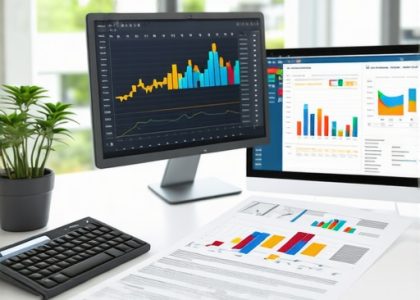

I remember the moment clearly: sitting at my desk, reviewing my company’s payroll reports, and suddenly noticing small discrepancies that seemed insignificant at first glance. Later, I realized that these tiny leaks—over time, they can drain thousands of dollars, quietly eroding my budget without me ever noticing. That lightbulb moment drove me to dive deeper into how payroll leaks happen and what I can do to plug them before they become unmanageable.
Why Small Payroll Errors Can Turn Into Big Budget Leaks in 2026
As I began to investigate, I discovered that many businesses overlook seemingly minor payroll mistakes, thinking they won’t make a real difference. But the truth is, these overlooked leaks can accumulate rapidly, especially with the complexities introduced in 2026’s evolving tax regulations. If unaddressed, they not only inflate costs but also expose your organization to potential audits and penalties. I learned early on that proactive payroll management isn’t just a good idea—it’s essential for safeguarding your finances. For example, misclassifying an employee as an independent contractor could cost you dearly; it’s a mistake I made, thinking it was a harmless oversight, until I faced questions from the IRS. This mistake underscored how critical paying attention to the details is. To stay ahead, I started exploring resources like [7 Real-Time Payroll Tactics to Fix 2026 Cash Flow Gaps](https://financeauthoritys.com/7-real-time-payroll-tactics-to-fix-2026-cash-flow-gaps), which opened my eyes to practical strategies for identifying and sealing these leaks early on.
Will Overlooking These Payroll Gaps Cost You in 2026?
Many business owners face the same fear: am I missing something that could turn into a costly mistake later? It’s a valid concern because payroll isn’t just about paying employees—it’s intertwined with compliance, tax credits, and audit support. Without proper oversight, these hidden leaks can lead to more than just financial loss—they can threaten your entire operational stability. Fortunately, understanding where these leaks originate is the first step to fixing them. If you’re questioning whether your payroll processes are airtight, you’re not alone. As I dug into this topic, I learned I had been missing critical warning signs, which emphasized how essential regular audits and compliance checks are. Discover more about how to prepare for the 2026 IRS audit and prevent surprises with [How to Survive a 2026 IRS Audit](https://financeauthoritys.com/how-to-survive-a-2026-irs-audit-preparation-checklist).
Have you ever encountered unexpected payroll discrepancies that seemed minor but later turned out to be costly mistakes? If so, recognizing these early signs can save you a bundle. Let’s explore how to identify and stop these leaks before they become a drain on your 2026 budget—and beyond.
Audit Your Payroll Regularly to Catch Errors Early
Schedule Monthly Checkpoints
In a personal experience, I set up a recurring monthly review process, manually auditing a sample of payroll transactions to identify discrepancies. This routine helped me detect misclassifications and improper exemptions before they snowballed into audits or penalties. Use payroll software with built-in audit trails, and cross-verify with your bank statements to ensure consistency.
Compare Report Data Against Employee Records
Implement a double-check system by contrasting payroll reports with employment contracts and tax documents. This ensures correct classification and withholding, reducing risks of non-compliance and fines. For complex cases, consulting a CPA knowledgeable about 2026 regulations can prevent oversight.
Leverage Technology for Real-Time Monitoring
Automate Error Detection with Payroll Tools
In my case, integrating a real-time payroll dashboard alerted me instantly when wage calculations deviated from standard rates, catching a misentered bonus amount. Consider solutions that flag anomalies automatically, helping you respond promptly and avoid leakages.
Utilize Compliance Alerts and Updates
Stay informed about the latest 2026 payroll rules by subscribing to updates from trusted sources like [7 real-time payroll tactics](https://financeauthoritys.com/7-real-time-payroll-tactics-to-fix-2026-cash-flow-gaps). Many platforms offer compliance notifications that warn you about upcoming changes, enabling proactive adjustments instead of reactive fixes.
Perform Role-Specific Training for Your Team
Ensure Accurate Data Entry
Training staff on the nuances of payroll data entry minimizes mistakes. I once held a workshop emphasizing the importance of verifying employee titles and exemption statuses—errors I initially overlooked. Clarify procedures regularly to reinforce accuracy, preventing leaks stemming from simple human errors.
Educate on Regulations and Company Policies
Providing ongoing education about changing tax laws and compliance requirements helps your team stay compliant. Leveraging resources like [payroll compliance fixes](https://financeauthoritys.com/7-payroll-compliance-fixes-to-save-your-2026-bottom-line) can give your staff concrete guidelines to follow and questions to ask when in doubt.
Partner with Experts for Specialized Support
Consult with Professional Accountants
I found that engaging a CPA familiar with 2026 rules significantly reduced errors. They helped me implement processes that aligned with upcoming IRS requirements, avoiding costly mistakes. Regular consultations ensure your payroll practices adapt to evolving regulations and help you prepare for potential audits.
Invest in Dedicated Audit Support Services
In more complex scenarios, outsourcing audit support proved invaluable. By working with specialists who understand the latest IRS algorithms ([see how they protect assets](https://financeauthoritys.com/4-ways-proactive-audit-support-protects-your-2026-assets)), I could identify vulnerabilities and fix them proactively, saving time and money during tax season.
Keep Documentation in Order to Simplify Audits
Maintain Detailed Records
I created a comprehensive folder with pay stubs, exemption certificates, and classification audits. Calmly, I could present this documentation during reviews, which expedited the audit process and minimized penalties. Regularly updating and organizing these files is a simple yet effective way to stay audit-ready.
Use Digital Storage with Access Control
Saving records digitally with controlled access ensures data integrity and ease of retrieval. Modern payroll systems often include secure cloud storage, reducing the risk of data loss or tampering. This practice simplifies compliance and improves response times during audits.
Many believe that engaging a CPA or utilizing payroll software alone guarantees compliance and accuracy, but in reality, there are nuanced pitfalls that often go unnoticed. For instance, the misconception that automated tools are infallible can lead business owners to overlook subtle errors in classification or timing that trigger costly audits or fines. These mistakes aren’t always obvious; they sneer in through overlooked small discrepancies, which experts warn can snowball into severe penalties if not caught early. According to financial specialists, relying solely on outward-facing solutions without a thorough understanding of regulatory complexities can backfire, especially in the evolving landscape of 2026’s tax laws. For example, many assume that once payroll technology is set up, regular reviews are unnecessary, yet continuous monitoring is proven essential to catch anomalies promptly, as highlighted in recent studies on audit preparedness. Moreover, there’s a widespread myth that audit support is only necessary during an investigation—nothing could be further from the truth. Preemptive support and proactive documentation drastically reduce vulnerability, helping organizations stay compliant with new IRS AI scan protocols.
Are You Overlooking Critical Nuances That Could Cost You in 2026?
Understanding these hidden nuances is critical, especially when sophisticated AI-based audits are becoming more prevalent. According to experts, the key lies in aligning your payroll and tax strategies with real-time insights—something that static, traditional methods can’t match. For example, the difference between good and great compliance practices often hinges on the ability to adapt quickly to regulatory changes, such as the upcoming 2026 rules. That’s why integrating reliable sources like [7 Real-Time Payroll Tactics to Fix 2026 Cash Flow Gaps](https://financeauthoritys.com/7-real-time-payroll-tactics-to-fix-2026-cash-flow-gaps) into your management process can make all the difference. It’s not just about avoiding penalties but also about optimizing your overall financial health. If you’re still operating under the myth that your current systems are enough, you might be missing critical opportunities to strengthen your fiscal resilience. On that note, consider evaluating your current approach and uncover the hidden risks—because in today’s environment, being reactive isn’t enough. Regular audits and expert consultations can reveal these vulnerabilities before they become costly mistakes. Have you ever fallen into this trap? Let me know in the comments.Maintaining your payroll and tax systems over time requires more than just setting up the right software; it demands proactive strategies, reliable tools, and consistent oversight. One of my favorite tools is Gusto, a payroll platform I personally use because of its real-time error detection features and seamless integration with tax compliance modules. It automatically flags discrepancies like duplicate wages or misclassified employees, which helps catch issues before they escalate. Additionally, I leverage real-time payroll tactics to stay ahead of cash flow gaps and ensure ongoing compliance, especially as regulations evolve in 2026. Predicting future trends, I believe that AI-driven payroll monitoring will become more sophisticated, offering even more precise anomaly detection and predictive analytics. To stay prepared, I recommend integrating AI-support tools like ADP SmartCompliance or Intuit QuickBooks, which continuously analyze your payroll data for potential errors and compliance risks. How do I maintain my payroll accuracy over time? Regular audits paired with these digital tools are essential. I set monthly checkpoints, comparing payroll reports against employment agreements and tax documents, and use comprehensive audit checklists to prepare for potential reviews. Moreover, cloud-based storage solutions with strict access controls help me keep all documentation organized and audit-ready. It’s important to stay vigilant, especially with the expanding complexity of 2026’s tax laws and AI algorithms that flag irregularities. For instance, enabling compliance alerts within payroll software can notify you of forthcoming regulatory changes, saving you from costly violations. To truly optimize these systems, consider consulting a CPA with expertise in digital compliance tools, as they can tailor solutions to your specific organization. One advanced tip I suggest is regularly running remote payroll mistake checks to identify hidden vulnerabilities—something I’ve found invaluable for safeguarding my business. By harnessing tech-driven monitoring and diligent review practices, you can ensure your payroll remains compliant, accurate, and efficient well into 2026 and beyond.
Reflecting on my journey through payroll management, I realized that the most valuable lessons often come from unexpected mistakes—like misclassifying an employee or overlooking compliance alerts. These experiences taught me the importance of staying proactive, informed, and meticulous, especially with the upcoming 2026 regulations in mind. Embracing ongoing education, leveraging advanced tools, and partnering with experts have truly transformed how I safeguard my organization against costly errors. Remember, the key isn’t just reacting to issues but anticipating and preventing them before they arise. By embedding these lessons into your routine, you can turn compliance from a challenge into a competitive advantage, ensuring your business remains resilient and thriving in 2026 and beyond.