
How to Optimize Your Chart of Accounts for Easier Filing
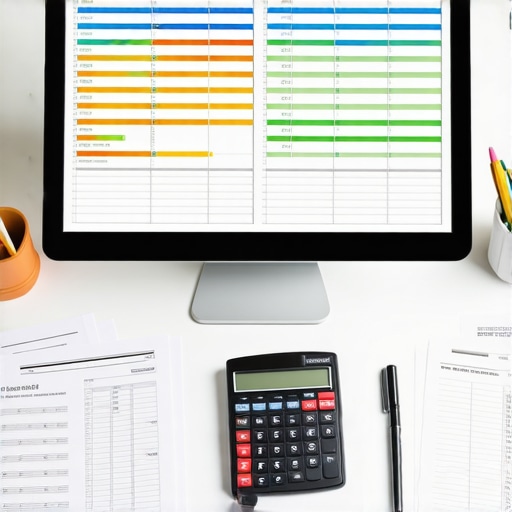
I remember the moment vividly: I was buried under a mountain of receipts, spreadsheets, and failed attempts at organizing my finances. The biggest headache? My Chart of Accounts. It was a jumbled mess, scattered across outdated files, with categories overlapping and missing altogether. That chaos wasn’t just stressful; it was costing me time, money, and peace of mind every tax season.
Then, a lightbulb went off. What if the way I organized my accounts could make tax filing smoother—more straightforward and less nerve-wracking? Turns out, this isn’t just wishful thinking. An organized Chart of Accounts is the backbone of efficient financial management and can transform your tax preparation experience.
Today, I want to share how you can optimize your Chart of Accounts to lighten your load come tax time. It’s a game-changer that I wish I had learned earlier, and trust me—it’s worth every minute.
Why Your Chart of Accounts Can Make or Break Your Filing Experience
A well-structured Chart of Accounts acts like a detailed map of your financial landscape. When categories are clear, consistent, and relevant, it becomes much easier to track expenses, identify deductions, and prepare accurate reports. Conversely, a disorganized chart can lead to missed deductions, mistakes, or even audits.
Early in my journey, one of my biggest mistakes was creating categories on the fly—adding tabs here, merging others there—without a coherent plan. This haphazard approach caused confusion during tax prep and forced me into frantic searches for receipts and statements. Over time, I learned that a deliberate, thoughtful structure prevents chaos and saves valuable time.
Optimizing your Chart of Accounts isn’t just about organization; it’s about setting a foundation that supports your financial clarity and compliance. Properly categorized data streamlines your tax filing, reduces errors, and often reveals savings that would otherwise go unnoticed.
If you’ve ever felt overwhelmed trying to reconcile your accounts or worried about missing deductible expenses, you’re not alone. Many entrepreneurs and freelancers face this challenge—yet few realize the huge difference a tidy Chart of Accounts can make.
Before we dive into the practical steps, consider this: properly organized accounts can cut your tax preparation time by up to 50%, according to recent studies. That’s not just a figure; it’s real free time for you.
In the next sections, I’ll walk you through the concrete steps to overhaul your Chart of Accounts for maximum benefit. But first, ask yourself—have you ever faced a tax audit or a late-night scramble to find receipts? If so, stay tuned. Because simplifying your accounts might be the smartest move you make this year.
Break Down Your Business into Clear Categories
Start by listing all your income sources and expenses. Use a spreadsheet or accounting software to create tiers of categories; for example, under Income, have Consulting, Sales, and Other Revenue. For expenses, break down into Travel, Office Supplies, Marketing, and Utilities. When I revamped mine, I realized overlapping categories like ‘Travel & Meals’ caused confusion. Separating these allowed me to quickly identify deductible expenses during tax season and avoid missing deductions that could save me hundreds.
Use Consistent Naming Conventions and Codes
Adopt standard abbreviations or codes, such as ‘TRV’ for Travel or ‘MKT’ for Marketing. Consistency ensures that when you review reports or hand things over to your CPA, everyone understands the classifications. I once labeled expenses differently month-to-month, leading to errors in my tax filings, which a quick review with CPA services later uncovered. Keeping consistent clarity prevents this and speeds up audits or reviews.
Regularly Review and Adjust Your Categories
Schedule monthly or quarterly check-ins to refine your Chart of Accounts. This keeps it aligned with your current business operations and tax law changes. For instance, when I added a new service line, I created specific categories to separate its expenses, making revenue recognition and deductions straightforward. This proactive approachmakes tax time frictionless and provides better financial insights for decision-making.
Leverage Software to Automate Categorization
Implement accounting tools like QuickBooks or Wave, which can auto-categorize transactions based on learned rules. During a busy season, manual entry was slowing me down, but automation reduced errors and saved hours. Some systems even integrate with receipt scanning apps, so you can snap pictures of receipts on the go. This reduces lost receipts and ensures every deductible expense gets tagged correctly, making your tax filing smoother.
Align Your Chart with Tax Deductions and Compliance Needs
Coordinate with a professional to ensure your categories reflect current tax laws. For example, if your business qualifies for the home office deduction, create a specific category for related expenses. I found that separating these costs helped identify eligible deductions I previously overlooked. Check out tax prep tips to learn more about tailoring categories to maximize deductions and stay compliant.
Document and Backup Your Categorization System
Keep detailed records of your chart structure and any changes made. Use cloud storage or version control to prevent data loss. Last year, a software glitch erased part of my categories, causing confusion during my CPA review. Having saved templates and detailed notes in a secure location prevented delays and RMD audits. This simple step preserves your organization and provides clarity during audits, reducing risk and stress.
Many small business owners believe that engaging with audit support, CPA services, or tax preparation is a straightforward process of submitting documents and waiting for the outcome. However, this common misconception can lead to significant pitfalls. In reality, even the most seasoned entrepreneurs often overlook subtle but critical nuances that can determine the success of their audits and financial health.
One prevalent myth is that a CPA’s role is limited to filing taxes accurately. While true to some extent, experienced professionals know that proactive financial planning and continuous oversight are essential for minimizing audit risks and optimizing deductions. Relying solely on reactive support during tax season can leave gaps that invite scrutiny or missed savings.
Are Your Financial Records Truly Ready for an Audit? Here’s What You Might Be Missing
Another often-underestimated aspect is the importance of maintaining detailed documentation and clear categorizations. A common mistake is to assume that digital records alone suffice. In practice, meticulous record-keeping, aligned with audit support strategies, acts as a crucial defense and streamlines the review process. Ignoring this can result in costly delays or even penalties during an audit.” alt=”An accountant reviewing financial documents” title=”Expert review of business financial records”/>
Furthermore, many underestimate how complex multi-state payroll and tax obligations can become. Automated payroll systems and their integration with tax compliance tools are invaluable; yet, their effectiveness depends on proper setup and ongoing oversight. Overlooking this nuance can lead to non-compliance and hefty penalties, despite using sophisticated software. Dive deeper into this topic with mastering payroll compliance.
Also, the misconception that DIY solutions or generic software guarantees audit safety can be dangerous. These tools often lack the sophisticated analytic capability needed to detect anomalies or prepare for nuanced inquiries from tax authorities. Collaborating with a knowledgeable CPA, who can interpret and adapt these systems tailored to your business, is often the difference between an audit success and a costly misstep. To learn how professional services can transform your accounting, visit CPA transformation insights.
Finally, a critical error is neglecting regular internal reviews of financial data. Waiting until tax season to clean up or verify records increases vulnerability to surprises. An ongoing review process, as advocated by audit support strategies, ensures transparency and readiness, saving time and resources when compliance matters arise. Have you ever fallen into this trap? Let me know in the comments.Maintaining an efficient and accurate financial management system requires more than just initial setup; it demands consistent upkeep and the right tools to stay ahead of evolving regulations and business needs. Over the years, I have found that leveraging specialized software combined with disciplined processes has been crucial to ensuring data accuracy and streamlining audit support. One tool I highly recommend is QuickBooks Online for its robust categorization and automation features, which reduce manual errors and provide real-time insights into your financial health. For payroll management, integrating systems like Gusto or Wave Payroll has transformed how I handle multi-state tax compliance, especially with their automatic tax filings and employee onboarding capabilities. These platforms continuously update with the latest regulations, an essential feature considering the rapid changes in tax laws and employment standards. Prediction suggests that AI-powered financial analysis tools will become even more integral, offering predictive insights that help preempt issues before they arise. To keep these systems effective over time, regular review and updates are necessary. Schedule quarterly audits of your software configurations to ensure they align with current practices and regulations, as suggested in [FinanceAuthority’s Guide to Staying Ahead of Tax Changes in 2025](https://financeauthoritys.com/finance-authoritys-guide-to-staying-ahead-of-tax-changes-in-2025). By proactively maintaining your tools and processes, you safeguard your business against costly errors and compliance mishaps. What strategies do you use to ensure your financial systems are always up-to-date and reliable? Consider trying out automated transaction categorization or scheduling routine system audits to enhance your ongoing management efforts.
Lessons Your CPA Won’t Tell You About Organizing Finances
My biggest awakening came when I realized that a carefully structured Chart of Accounts isn’t just about neat spreadsheets — it’s about creating a financial system that works for you. I used to think categories could be tossed together, but now I see that intentional design saves hours, reduces errors, and helps uncover overlooked deductions. My lightbulb moment? Seeing how a consistent coding system transformed my tax prep process and minimized surprises during audits.
Another lesson was understanding that reviewing and refining your categories isn’t a one-time task. It’s a continuous process that adapts to your evolving business. I learned to schedule quarterly reviews, which kept my financial data accurate and aligned with the latest tax laws, making each tax season less stressful. These small, regular tweaks made an enormous difference and helped me stay audit-ready without last-minute panic.
Finally, investing in automation tools like QuickBooks or Wave, paired with receipts scanning apps, revolutionized how I manage transactions. These tools not only cut manual errors but also allowed me to focus on growing my business instead of drowning in paperwork. The key takeaway? Embrace automation and regular review routines—they’re your best allies for a foolproof Chart of Accounts and smoother tax experience.
Tools and Resources That Changed My Financial Game
My go-to software for maintaining a robust Chart of Accounts is QuickBooks Online. Its automation features and customizable categories help me stay organized effortlessly. For payroll, I trust Gusto for its compliance updates and seamless integration, which is vital for multi-state operations. To deepen my understanding, I recommend reading Tax Prep Tips for Freelancers and Gig Workers in 2025, as it offers actionable insights tailored for modern entrepreneurs. Lastly, for comprehensive guidance on staying ahead of tax changes, this guide has been invaluable—keeping me proactive rather than reactive.
Your Next Step Toward Financial Confidence
Organizing your Chart of Accounts isn’t just a task—it’s a strategic move that empowers you with clarity, compliance, and peace of mind. Don’t wait for tax season stress or audit scares to motivate your overhaul. Take action now and watch your business thrive with cleaner books and smarter financial decisions. Remember, your journey toward effortless bookkeeping starts with one small step today.
What’s the biggest challenge you face when organizing your financial data? Share your experience below, and let’s learn from each other’s stories.
,