
How to Spot Employee Reimbursement Fraud in Your Ledger

I vividly remember the moment I first realized there was a problem lurking in my company’s ledger. It wasn’t a glaring mistake or an obvious discrepancy, but rather a subtle pattern that didn’t sit right. A few months prior, I had noticed some irregular reimbursements—expenses that seemed questionable or inconsistent with the business activities. Initially, I brushed it off, thinking someone might have just made a honest mistake. But over time, those small anomalies added up, hinting at something more sinister. That lightbulb moment taught me a valuable lesson: **diligence in reconciling expenses is essential, especially when it comes to employee reimbursements.**
Why Employee Reimbursement Fraud Should Keep You Awake at Night
In the realm of small and medium-sized businesses, employee reimbursements are routine—a simple process to get employees back their out-of-pocket expenses. But here’s the catch: this routine process can become a playground for fraud without the right oversight. According to a study by the Association of Certified Fraud Examiners, expense reimbursement scams are responsible for about 14% of organizational fraud and cost companies an average of $125,000 annually. That’s enough to derail a small business’s growth or push it into cash-flow distress.
Early on, I made the mistake of trusting expense reports at face value. I didn’t scrutinize receipts closely enough or look for signs of manipulation. Now, I realize that paying close attention to how reimbursed amounts are documented and cross-verified can save your business thousands—and prevent serious legal and financial headaches. Whether you’re handling financials yourself or overseeing an accounting team, understanding the red flags that signal employee reimbursement fraud is a critical skill.
If you’re like me, you’ve probably faced that gnawing suspicion, wondering if everything’s above board but hesitating to dig deeper. Well, my friend, today I promise to guide you through **the practical steps to identify and prevent reimbursement fraud** before it spirals out of control.
Have you ever caught or suspected an employee fraud in reimbursements? Share your experience in the comments or explore more about safeguarding your financial data on [our comprehensive blog](https://financeauthoritys.com/finance-authoritys-guide-to-staying-ahead-of-tax-changes-in-2025).
Is Employee Reimbursement Fraud Truly a Serious Threat?
I admit, for many small business owners, it’s tempting to think that this is a problem reserved for larger corporations or fraud cases that make headline news. Early in my career, I dismissed minor discrepancies, thinking they were just clerical errors. But that was a costly assumption.
Research shows that small firms are surprisingly vulnerable—often due to lax controls or lack of oversight—making it easier for fraudsters to exploit gaps in the system. A lapse now could spell future disaster, especially with evolving regulations and an increasingly complex payroll environment. And trusting blindly isn’t the answer; being vigilant is. To get a proper handle on these issues, I recommend reviewing [audit support strategies](https://financeauthoritys.com/audit-support-strategies-every-business-needs-in-2025) that help uncover hidden issues before they become uncontrollable.
So, if you’ve ever wondered how to spot these sneaky manipulations in your ledger, stay tuned. We’re about to dig into **specific signs that indicate reimbursement fraud** and how you can implement simple but effective checks to safeguard your business.
Implement Rigorous Expense Verification Processes
Start by establishing a standardized protocol for verifying each expense claim. Use a checklist to review receipts, matching them against submitted reports. I once audited a small team’s expense reports and discovered multiple receipts with inconsistent dates and amounts, which led me to uncover a minor but ongoing reimbursement scheme. Implement a policy requiring original receipts for all claims above a certain threshold, and consider using dedicated software that flags anomalies based on historical data.
Integrate Automated Expense Monitoring Tools
Leverage technology to automate the detection of irregularities. Software solutions can analyze patterns such as duplicate receipts, unusually high expenses, or expenses outside approved categories. When I integrated an expense monitoring tool into my business, it automatically flagged a series of small, repeated claims that didn’t align with the employee’s typical spending patterns. This proactive approach caught potential fraud early, saving the company from potential losses.
Establish Clear Policies and Employee Awareness
Communicate your reimbursement policies clearly, emphasizing the consequences of falsification or manipulation. Conduct regular training sessions that outline common red flags and encourage employees to report suspicious activities. In my experience, transparent communication fosters a culture of honesty; after implementing monthly reminders about expense compliance, I noticed a significant decline in questionable claims.
Conduct Regular Reconciliation and Audits
Schedule periodic reconciliations of expense reports with bank statements and credit card statements. Make this process part of your monthly closing routine. I personally added an audit step where I cross-verified a sample of expense reports; this revealed a recurring pattern of inflated meal claims, which we rectified by tightening approval procedures. Regular reviews act as deterrents and help identify discrepancies before they escalate.
Set Up Segregation of Duties
Divide responsibilities among team members to prevent any single individual from controlling the entire reimbursement process. Assign different employees to prepare, review, and approve expense claims. When I restructured my finance team to include separate roles for expense submission and approval, I drastically reduced the risk of internal fraud. This separation creates a built-in check and balance similar to those employed by firms seeking [comprehensive audit support strategies](https://financeauthoritys.com/audit-support-strategies-every-business-needs-in-2025) for financial transparency.
Use Data Analytics for Ongoing Surveillance
Apply data analytics to identify trends and outliers in expense data over time. These insights can reveal unusual spikes or patterns associated with fraudulent activities. When I analyzed expense data over several months, I noticed a sudden increase in claims from a particular employee during a specific period. A follow-up review uncovered misclassified personal expenses billed to the company. Continual monitoring helps maintain financial integrity and can be automated with the right tools.
Many entrepreneurs believe that hiring a CPA or auditing service is a straightforward, one-size-fits-all solution to their financial woes. However, in my experience, this misconception often leads to underutilized resources and missed opportunities. For instance, many assume that tax prep simply involves compiling receipts and submitting forms, but expert CPAs delve into strategic planning—like optimizing deductions or aligning with long-term goals—something often overlooked by less specialized providers. Similarly, payroll services aren’t just about issuing payments; advanced payroll management encompasses compliance with multi-state regulations, employee classification nuances, and integration with tax strategies, which can significantly impact your bottom line.
Are You Leveraging Your CPA to the Fullest?
One trap I see frequently is business owners relying on generic accounting software or internal staff without tapping into the nuanced expertise of a seasoned CPA. This often results in costly errors, especially during audits or tax seasons. A perfect example is the misconception that audit support is only necessary post-issue; in reality, proactive audit preparedness—like document organization and internal control reviews—can prevent problems before they escalate. According to a study by the American Institute of CPAs, firms that actively collaborate with specialized CPAs experience fewer compliance issues and better financial health overall. Moreover, many underestimate the importance of continuously updating their knowledge about changing regulations; for example, recent tax law adjustments can impact small business deductions or international tax obligations.
Uncovering Hidden Nuances in Financeauthoritys Services
Understanding the core value of comprehensive services like those offered by Finance Authority goes beyond basic compliance. It’s about transforming your financial data into actionable insights. For example, streamlined payroll processes as discussed in this guide can free up valuable time and reduce errors, especially for rapidly growing businesses. Likewise, involving your CPA during tax preparation, as detailed in our tax secrets, can uncover deductions or credits your in-house staff might miss. The nuance lies in understanding that these services are interconnected—tax planning influences payroll structuring, which impacts audit readiness, all reinforcing the importance of strategic expertise. Want to maximize these benefits? Engage with specialists who understand the complexities of your industry and evolving regulations.
Keep It Working: Practical Tools for Financial Precision
Maintaining accuracy and efficiency in your CPA, tax preparation, payroll, or audit support processes demands the right set of tools. I personally rely on a combination of purpose-built software and disciplined workflows to ensure long-term success. For instance, QuickBooks Online is my go-to for real-time bookkeeping — its cloud-based architecture allows for seamless collaboration with clients and my team. I’ve integrated its automated bank feeds, which drastically reduce manual data entry errors, and use its custom reports to identify discrepancies early, helping me stay ahead of potential issues.
Beyond basic accounting, software integration plays a vital role in maintaining consistency. For example, syncing payroll data with tax filing tools like Gusto or ADP ensures compliance with evolving regulations and reduces rework. I also recommend Bill.com for automating payables and receivables, which minimizes late payments and cash flow surprises—crucial for small businesses.
For audit readiness, I utilize Hotspot Shield VPN to securely share sensitive documents and ensure confidentiality. Regular data backups—using encrypted cloud storage like Sync.com—protect against data loss and facilitate quick recovery, especially during audits or unexpected system failures. These practices, combined with disciplined documentation, help me keep financial records tidy and defensible over time.
Predicting Future Trends You’ll Want to Adopt Now
As automation and AI advance, I predict a shift toward smarter, more proactive financial tools that utilize machine learning to flag anomalies before they escalate. For instance, AI-driven analytics will become standard in identifying complex fraud patterns—making early detection more accessible for small businesses. Embracing these innovations now can position your firm ahead of compliance challenges and reduce manual oversight.
How do I maintain these tools over time?
Continuous training is key. Regularly updating your knowledge about software upgrades and compliance changes, such as recent tax law updates, ensures you maximize their potential. Building strong relationships with vendors can also provide early access to new features and dedicated support, which is invaluable during busy tax seasons or audits. To stay compliant and efficient, I dedicate time quarterly for reviews of my entire tech stack, ensuring everything runs smoothly and aligns with current regulations. Explore more insightful strategies on our comprehensive guide.
If you’re ready to elevate your financial management game, start by integrating automated expense monitoring tools tailored to your needs. You’ll find that one consistent upgrade can transform your accuracy and save you countless hours in the long run.
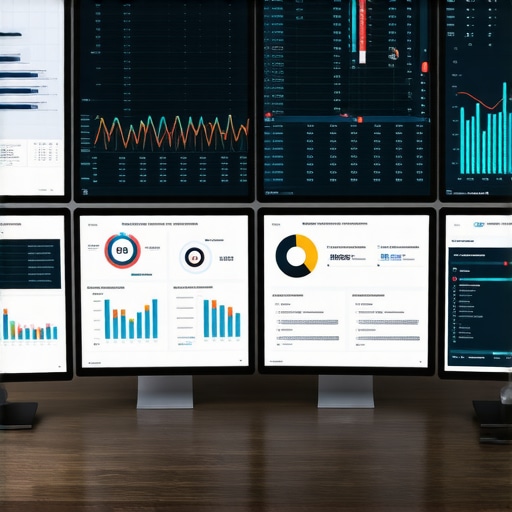
Image description: A professional workspace featuring multiple screens with accounting dashboards, financial charts, and security tools, illustrating modern financial management.
What the Hidden Lessons From My Experience Taught Me About Financial Vigilance
One of the most valuable insights I gained was that even small discrepancies in expense reports can signal larger issues—it’s a warning sign that should never be ignored. Trust but verify: assumption can be costly. Recognizing the importance of due diligence in expense verification became a game-changer for my business. Remember, the devil’s in the details, and proactive checks can save you from costly surprises.
Secondly, I realized that leveraging technology, like automated expense monitoring tools, isn’t just a modern convenience—it’s a necessity. These tools allow you to detect patterns and anomalies that might escape the human eye, especially as your business scales. Integrating such solutions into your financial routine can turn reactive fraud detection into a proactive shield.
Lastly, fostering a culture of transparency and clarity around reimbursement policies encourages honesty among employees. Clear communication and regular training sessions create an environment where employees understand expectations and red flags, reducing the temptation or opportunity for misconduct. Cultivating this mindset is as crucial as any software update or policy change.