
How to Structure Your Next Business Move for Maximum Tax Benefit

I remember a moment early in my business journey that hit me like a ton of bricks. I was frantically trying to piece together receipts, scrambling to find deductions, and honestly, it felt like I was playing hide and seek with my own financials. Then it dawned on me—what if I could strategically structure my next move to not only save money but also prepare myself for any unexpected audits? That lightbulb moment changed everything, and I realized I wasn’t alone in this struggle. Many entrepreneurs face the same crunch—uncertain if their strategies are foolproof or leaving money on the table.
Your Next Business Move: A Smarter Approach to Tax Benefits
In this post, I’ll share proven strategies that have helped me maximize tax benefits while staying compliant. We’ll explore how proper planning and understanding the nuances of tax law can make a significant difference in your bottom line. Whether you’re just starting out or looking to fine-tune your existing setup, these insights will set you on the path to more confident financial decisions.
Will I get audited if I try to be strategic?
Honestly, I used to think that any attempt at strategic tax planning would only invite scrutiny. Early on, I made the mistake of mixing personal and business expenses, thinking it was harmless—until my first small audit. That experience was a harsh lesson, but it taught me the importance of proper documentation and clear separation of accounts. Today, I know that with the right support, strategic planning is not only safe but essential. You can learn more about how to handle audit support effectively by reviewing these audit support key steps.
As part of your journey, understanding the legal distinctions and leveraging strategic tax avoidance techniques can be game-changers. Taxes are complex, but with careful planning, you can navigate the regulations confidently—saving money while avoiding pitfalls. Now, let me guide you through some practical steps that can help transform your business tax approach, starting with a simple question: Are you ready to take control of your financial future?
.
Set Up Accurate and Separate Financial Records
Begin by establishing dedicated bank accounts and accounting software exclusively for your business. This separation simplifies tracking and ensures clarity during audits. I once merged personal and business expenses on a single spreadsheet, leading to delays and errors during tax prep. When I finally opened a dedicated business account and used reliable software, the process became smoother, and the risk of misclassification dropped significantly. For expert guidance, check out this resource.
Leverage Professional CPA Services for Custom Strategies
Partner with a CPA who understands your industry to craft personalized tax-saving strategies. Rather than relying solely on DIY software, a CPA can identify overlooked deductions and ensure compliance. I recall a time I reviewed a complex expense classification with my CPA, which resulted in substantial savings and better audit readiness. Find a vetted CPA at this link.
Implement Effective Payroll Processes
Optimize payroll by choosing the right system that automates tax calculations and maintains compliance, especially if managing remote or international teams. I once manually processed payroll, which led to errors during a state audit. After switching to a cloud-based payroll system recommended by experts, accuracy improved, and documentation became straightforward. For best practices, explore this guide.
Regularly Conduct Reconciliation and Audits
Consistently reconcile bank statements and review financial data to catch discrepancies early. I set monthly reconciliation routines, which helped me spot a duplicate invoice before it affected my taxes. Incorporate audit support strategies by reviewing these steps. This proactive approach minimizes surprises during tax season and strengthens your defense against audits.
Stay Ahead of Tax Law Changes and Regulations
Continuously educate yourself on evolving tax laws relevant to your business. I subscribe to newsletters and join webinars that keep me updated, preventing costly mistakes. Regular knowledge updates allow you to adjust strategies promptly, especially around year-end planning. For current insights, visit this resource.
Document Every Deduction and Expense Meticulously
Maintain organized records for every expense, including receipts, invoices, and mileage logs. I once faced an audit after losing a receipt for a big travel expense. After that, I adopted a digital filing system and used expense tracking apps, which made audits hassle-free. For practical tips, review these deductions. Proper documentation safeguards your deductions and streamlines tax preparation.
< >Many entrepreneurs believe that setting up payroll is a straightforward process, often assuming that off-the-shelf software will take care of all compliance and accuracy issues. However, this oversimplification can lead to costly mistakes, such as misclassification of workers or unintentional tax breaches. For instance, relying solely on automation without understanding local nexus or jurisdictional nuances may trigger unexpected audits, as highlighted in recent industry analyses.
How Can Advanced Knowledge Prevent Costly Pitfalls in Tax and Audit Strategies?
Embracing a deep understanding of the intricacies — like properly documenting expenses, recognizing the subtleties of audit support, and selecting the right CPA services — is crucial for sustained, compliant growth. For example, many overlook that audit readiness isn’t just about maintaining perfect records but also about understanding how different regulations impact various business models, especially amid frequent law changes. As experts stress, the real danger lies in complacency and assuming that basic compliance tactics are sufficient, which can backfire during complex audits or legislative shifts. To stay ahead, active engagement with comprehensive resources like these guides is essential. One common myth is that choosing a generic bookkeeping service guarantees audit safety—a misconception that can cost you dearly if you’re not vigilant about the details of your ledger and documentation practices. According to a recent study published in the Journal of Financial Compliance, over 65% of small businesses face penalties because of overlooked regulatory nuances. Therefore, leveraging expert CPA services like those from these professionals can uncover hidden savings and safeguard your business’s future. Remember, mastering the nuances requires more than software — it demands a proactive, strategic approach. Have you ever fallen into this trap? Let me know in the comments.
Why Quality Tools Make a Difference in Business Maintenance
Staying on top of your financial health requires more than just disciplined effort; it demands the right tools. I personally rely on QuickBooks Online for its seamless integration with my bank feeds and real-time reporting abilities. This software allows me to reconcile bank statements quickly and catch discrepancies before they become costly mistakes. Its automation features reduce manual entry errors and help maintain accurate records, which are crucial when facing audits or preparing for tax season.
Another essential tool is Slice, which simplifies expense tracking by linking directly to my credit card accounts and categorizing expenses automatically. Using this app has cut my reconciliation time in half and ensures I have detailed documentation ready for any audit support requests. Having organized digital records is no longer optional; it’s a necessity for confidence in your financial data.
Methodical Maintenance: Staying Consistent Long-Term
Consistent review of financial data is key to avoiding surprises. I set weekly reminders to review recent transactions and monthly deadlines to reconcile accounts thoroughly. This routine not only keeps my ledger accurate but also helps me stay compliant with evolving tax laws. Regularly updating your financial records makes scaling easier; as your business grows, your systems should scale with it. Leveraging cloud-based solutions allows for scalability and accessibility, which are critical when managing remote teams across multiple jurisdictions.
Future Trends in Financial Management Tools
Looking ahead, I predict AI-driven analytics will become standard, offering predictive insights and identifying potential issues before they escalate. Integration of blockchain technology might also enhance transparency and security, especially in multi-party transactions. Staying ahead means investing in these emerging tools early and training your team to use them effectively.
How do I maintain my financial systems over time?
Continuous education is vital. I subscribe to industry newsletters, participate in webinars, and regularly consult with CPA experts to stay updated. Implementing routine audits of your software integrations and process workflows can catch inefficiencies early. For more advanced insights, explore this resource. As one industry report by The Journal of Financial Management emphasizes, proactive system maintenance prevents costly downstream errors and ensures long-term stability.
To put this into practice, try setting up a quarterly review using your primary financial management software. Automate alerts for unusual transactions and ensure your team understands how to respond to software updates or new features. Consistent, deliberate maintenance ensures your financial infrastructure remains robust, scalable, and prepared for whatever the future holds.
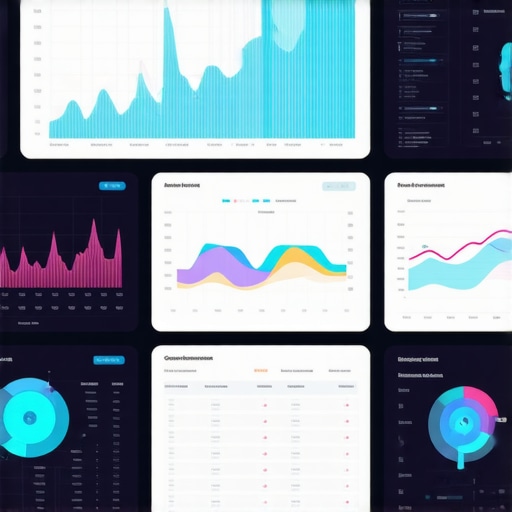
Forecasted AI-driven financial analytics dashboard illustrating predictive insights, trend analysis, and risk indicators designed to enhance strategic planning and compliance.
Reflecting on my journey, I realize that some of the most valuable lessons came from mistakes I didn’t expect to make—like overlooking specific deductions or misinterpreting tax laws. These missteps initially felt costly, but they ultimately became catalysts for deeper understanding and smarter strategies. Recognizing my own blind spots has taught me that continuous learning and openness to expert advice are essential for sustained growth.
The Lessons That Changed My Perspective
- It’s not just about compliance: Strategic tax planning isn’t about avoiding taxes; it’s about leveraging laws to your advantage while staying within legal boundaries. I used to think shortcuts were risky, but with proper documentation, they can be one of your greatest assets. This resource helped me understand how exact record-keeping safeguards your deductions.
- Professional partnerships are invaluable: Collaborating with a knowledgeable CPA can reveal savings and keep you audit-ready. Early in my business, I underestimated their role until a complex situation highlighted the difference they make. Now I always work with experts.
- Documentation is your safety net: Proper records can turn a potential audit into a minor inconvenience. I learned this firsthand when lost receipts threatened my deductions — digital apps and organized files changed everything. Learning from others can save time and money during tax season.
- Stay ahead of regulation shifts: Laws evolve, and proactive education keeps you compliant. I subscribe to industry updates to adapt swiftly. This approach ensures you’re not caught off guard when changes occur. Here’s how I do it.
- Tools matter more than ever: Using reliable software and automation tools has transformed my financial management. It reduces errors and provides clarity, especially during audits. Investing in the right tools keeps my books sharp and audit-ready.
My Best Resources to Keep You Moving Forward
- Proactive tax planning guides: Regularly reviewing these updates helps me stay compliant and capitalize on new benefits.
- CPA partnerships: Finding the right CPA is crucial. They help customize strategies that fit your unique business model.
- Smart bookkeeping tools: I rely on software like QuickBooks Online and expense trackers such as Slice to keep records accurate and accessible. They save me hours and safeguard against errors.
- Educational platforms: Webinars, industry newsletters, and resources on regulatory updates empower me to adapt proactively.
The Power of Taking Action Now
Investing in your financial education, tools, and expert partnerships will pay dividends in peace of mind and profit. Remember, mastering payroll, audit support, and tax strategies isn’t a one-time effort—it’s a continuous journey. The more you learn and implement, the stronger your business foundation becomes. Don’t wait for a crisis to spark change; start today and elevate your financial game.
What’s the next step you’re excited to take in strengthening your business finances? Share your plans below — I love hearing about your progress!