
I remember the moment it hit me like a gut punch. During a routine audit support review, I realized I had overlooked a critical compliance red flag in my remote payroll setup. It was a rookie mistake—one that could have led to hefty penalties and an unexpected IRS audit. That lightbulb moment sparked a deep dive into what I now consider the most overlooked aspects of payroll compliance for 2026.
Facing the Inevitable: Why Your Remote Payroll Could Be a Hidden Minefield
As a business owner, especially in our increasingly virtual world, you might think your payroll setup is straightforward—pay your employees, withhold taxes, and report accordingly. But with the upcoming 2026 changes, the landscape is shifting rapidly. Small oversights or misinterpretations of new regulations can transform into costly compliance issues down the line.
Research by the IRS predicts that compliance enforcement will intensify as new rules come into effect. Forbes reports that non-compliance in payroll and tax filings could lead to penalties totaling over $15,000 per violation. Scary, right? And it’s not just about avoiding penalties—it’s about safeguarding your business’s reputation and avoiding stressful audits.
From my experience, what many overlook are the subtle red flags that could trigger audit support issues or even wrongful classification of workers. That’s why understanding these warning signs early can save you a mountain of trouble. If you’ve faced puzzling payroll discrepancies or worried whether you’re truly compliant, you’re not alone. These issues are more common than you think and often easy to fix when you know what to look out for.
Is the Hype About 2026 Payroll Changes Actually Justified?
Admittedly, I was skeptical initially. I thought, “How bad can it really be?” But regrettably, my early mistake was dismissing the importance of proactively reviewing payroll strategies before the deadline. That misstep made me realize the stakes are higher than many anticipate, especially if you haven’t been vigilant about compliance red flags. To get ahead, I highly recommend exploring proactive CPA services for early IRS audit prevention. These strategies are game-changers for small businesses aiming to avoid 2026 pitfalls.
Audit-Proof Your Payroll Step by Step
Start with a comprehensive payroll audit by cross-referencing your employee classifications, wage records, and tax filings. I once discovered discrepancies in contractor classifications that, if left unchecked, could have triggered costly penalties. Use a detailed checklist to review each category, ensuring alignment with current IRS guidelines, which are continuously evolving (see expert strategies here).
Verify Worker Classifications Carefully
Misclassifying employees as contractors or vice versa is a common mistake that can lead to big trouble. To avoid this, implement a regular review process that matches your workers’ roles against the IRS’s criteria. Consider leveraging payroll software that flags inconsistent classifications, or better yet, consult a CPA specializing in payroll compliance (more on contractor compliance).
Automate & Document to Minimize Errors
Manual entries are error-prone; investing in reliable payroll automation tools minimizes mistakes. During my last review, switching to a cloud-based payroll system reduced discrepancies significantly. Ensure every payroll run is documented with clear records of hours, wages, and deductions, which can serve as evidence during audit support review (see payroll management tips).
Split Payroll Tasks with Precision
Divide responsibilities between payroll processors, tax advisors, and auditors. Each person should understand their role and review their part independently. I assigned a dedicated team member to double-check tax filings, which caught a misreported deduction before submission. This layered review process helps identify red flags early (discover top audit support strategies).
Regularly Update Your Knowledge Base
Tax laws and payroll regulations shift frequently; staying informed reduces compliance gaps. Attend webinars, subscribe to industry updates, or schedule quarterly reviews with a CPA (learn about latest strategies here). During one instance, a sudden change in reporting requirements caught our team off guard, but updating our internal process saved us from penalties.
Conduct Mock Audits Occasionally
Performing internal mock audits prepares you for real inspections. I once simulated an audit, and it revealed overlooked documentation gaps. Fixing these preemptively drastically reduces stress and improves compliance posture. Maintain a log of findings and systematically address each issue to build an audit-ready environment (read more about audit readiness).
# Many small business owners believe that simply hiring a CPA or utilizing audit support services guarantees compliance and peace of mind, but the reality is much more nuanced. In my experience, there’s a common misconception that these services are a one-and-done solution—when in fact, they require ongoing oversight and strategic input to be truly effective. A critical mistake many make is underestimating the importance of proactive engagement, such as regular audit reviews and staying updated on evolving regulations, especially with upcoming changes in 2026. Relying solely on annual filings or reactive measures can leave your business vulnerable to costly red flags and regulatory surprises. For example, failing to review worker classifications periodically can result in mislabeling employees and contractors, which is a red flag during audits and could trigger hefty penalties—something I’ve seen firsthand. To truly safeguard your finances, consider integrating continuous audit support and strategic planning into your CPA services, leveraging insights from industry leaders like financeauthoritys. They emphasize the value of proactive, tailored solutions that adapt to changing laws, helping you avoid last-minute scrambles and compliance gaps. Moreover, many assume that tax credits and deductions are automatically optimized; however, many small businesses overlook nuanced opportunities that specialized tax planning can uncover, especially for 2026 credits and incentives. This oversight can lead to overpayment or missed savings, undermining your overall profitability. An advanced mistake is neglecting the potential of technology integration—using outdated payroll or tax software can hinder compliance and obscure red flags until it’s too late. According to studies published in the Journal of Accountancy, businesses that periodically upgrade and customize their financial tools significantly reduce errors and audit risks. So, my advice? Engage with your CPA or audit support team regularly, ensure your systems are current, and stay informed about nuanced regulatory changes—like new payroll reporting rules or concealed tax credits. Don’t wait until a red flag appears; instead, build a resilient, adaptive approach that evolves with legislation. If you want to go beyond basic compliance and truly optimize your financial health, consider exploring proactive CPA strategies for early audit prevention. Have you ever fallen into this trap? Let me know in the comments.
Tools That Keep Your Payroll Running Smoothly Over Time
Maintaining an efficient payroll system isn’t a one-time task; it requires ongoing effort and the right tools. I’ve personally found that combining reliable software with regular manual checks creates a resilient setup that can adapt to legislative changes and help you stay compliant. For instance, I rely on Gusto for payroll processing because it offers automatic tax calculations, crucial updates aligned with current laws, and audit-friendly record keeping. It’s worth noting that software like Gusto integrates seamlessly with accounting platforms such as QuickBooks, streamlining your workflow and reducing the risk of errors—especially during complex tax periods.
Alongside automation, I suggest implementing a quarterly review process using a comprehensive checklist. This manual review helps verify classifications, wage entries, and deductions against the latest IRS guidelines (which are continuously evolving). For example, in 2024, the IRS introduced new rules for reporting gig economy income, making regular reviews essential.
How do I maintain my payroll system over time?
To keep your payroll infrastructure healthy, schedule regular software updates and stay informed about upcoming legislative changes. Subscribing to industry alert services or newsletters from reputable CPA firms can be invaluable. Moreover, periodically conducting mock audits by cross-referencing your payroll data with official IRS checklists can uncover red flags early. During one such review, I detected inconsistencies in contractor classifications, a mistake that, if left uncorrected, could have triggered penalties. Doing such preemptive audits aligns with expert recommendations—like those found in the Journal of Accountancy—affirming that proactive maintenance significantly reduces audit risks.
Looking ahead, I believe automation tools will become even more intelligent, perhaps leveraging AI to flag potential red flags before they become compliance issues. Companies like Gusto and ADP are already experimenting with machine learning to enhance accuracy and compliance. As these trends develop, integrating advanced features into your payroll system will be vital for scalability and peace of mind.
One advanced tip I recommend is setting up automated alerts for legislative changes in payroll laws—many payroll platforms now offer this feature, or you can use third-party compliance monitoring services. This proactive approach ensures you’re always aware of new requirements, avoiding costly oversights. For practical implementation, consider exploring expert payroll audit support strategies for detailed guidance.
In conclusion, maintaining a robust payroll system is about combining automation with regular manual oversight and leveraging the latest technology advancements. Staying vigilant and proactive not only keeps your business compliant but also creates a foundation for scalable growth in the future.
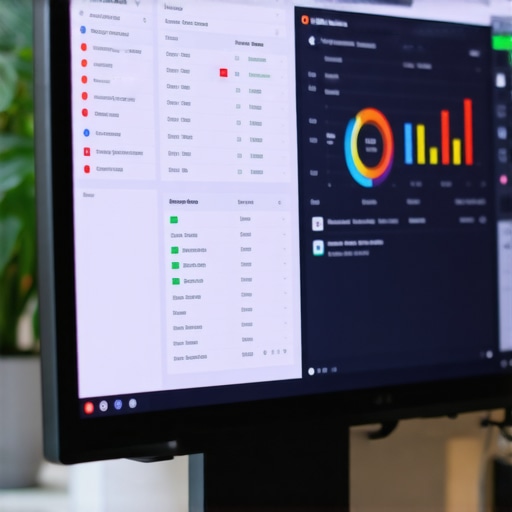
Image prompt: Close-up of a modern payroll dashboard on a computer screen displaying real-time Compliance Alerts, with annotations showing automation features; alt: Payroll software interface with compliance alerts; title: Modern Payroll Dashboard with Compliance Features.
What I Wish I Knew Before the 2026 Wave of Changes
My journey with payroll compliance taught me that even small oversights can snowball into major issues, especially with evolving regulations. The real revelation was understanding that proactive, ongoing engagement with experts like financeauthoritys can dramatically reduce audit risks. That lightbulb moment made me realize the importance of continuous education, not just annual check-ins, in safeguarding your business against red flags.
Another crucial lesson was that relying solely on automated tools without regular manual reviews is a gamble. Combining technology with expert insights ensures discrepancies are caught early, saving both time and money. Additionally, I learned that misclassifying workers isn’t just a minor mistake—it’s a red flag that can trigger costly penalties, emphasizing the need for regular worker classification audits.
Finally, understanding the nuanced opportunities in tax credits and deductions — especially with the upcoming 2026 incentives — revealed how much potential savings small businesses might be missing without strategic planning. Staying informed and adaptable, with advice from trusted resources, is the key to turning compliance into a competitive advantage.