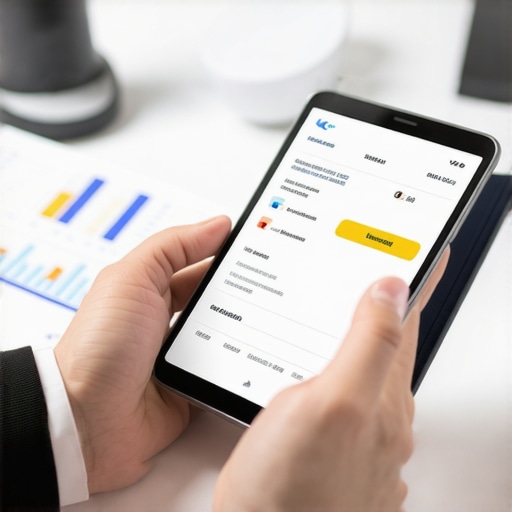
I vividly remember the exact moment I lost a crucial business receipt. Frustrated, I scrambled through piles of paper, trying to reconstruct expenses for my tax return. That sinking feeling when a missing receipt could jeopardize my deductions hit hard. It made me realize: relying on paper receipts is like walking a financial tightrope—dangerous and outdated. Since then, I’ve been on a mission to find the best way to track business expenses without cluttering my desk with scraps of paper.
Say Goodbye to Paper Receipts and Hello to Simplicity
Managing business expenses has always been a chore—until I discovered digital solutions that transformed my process. Not only do these tools save time, but they also reduce the risk of losing essential documents during audits. Did you know that the IRS estimates that 7 out of 10 small businesses overlook deductible expenses because of poor recordkeeping? That’s a staggering number and a wake-up call for many entrepreneurs.
Is Digital Tracking Actually Worth the Hype?
Initially, I was skeptical. I had made the mistake early on of manually entering expenses into spreadsheets, which was tedious and error-prone. I wondered if investing in expense management apps was just a gimmick. But after trying a few options, I realized that the right digital tools streamline the process and are worth every penny. They automatically capture receipts, categorize expenses, and store everything securely—making tax season a breeze.
If you’ve faced similar frustrations with paper receipts or fear missing out on valuable deductions, you’re not alone. Adopting a digital approach can be a game-changer for your business. Curious about how to make this switch smoothly? Stay tuned for practical steps that will set you up for hassle-free expense tracking and peace of mind during audits. For more insights on safeguarding your financial records, check out our comprehensive audit support strategies.
,
Set Up a Digital Receipt System
Start by choosing a reliable expense management app like Expensify or Receipt Bank. I once struggled for hours searching for lost receipts during tax season, but after scanning all my receipts into the app, I gained instant peace of mind. Download the app on your phone, and whenever you make a purchase, snap a photo and categorize it immediately. This way, you create a digital trail that’s tamper-proof and easily searchable.
Create a Consistent Quitting Time for Manual Entries
Dedicate 15 minutes daily to review and reconcile your digital expenses. I recommend doing this at the end of each workday. One messy Friday, I annotated every expense from my app, crossed-checking my bank statements. This prevents accumulation and reduces errors, much like cleaning your workspace daily keeps your desk clutter-free. If you delay, minor discrepancies multiply, leading to audit risks.
Automate Categorization and Integration
Link your expense app with your accounting software—QuickBooks, Xero, or other. Automated categorization minimizes manual data entry. I once had to correct dozens of misclassified items, which ate into my productivity. Integration saves time and aligns your expense data with tax codes, ensuring deductions are applied correctly. Regularly syncing data prevents gaps in your financial record, akin to assembling a puzzle piece by piece.
Schedule Monthly Reconciliations
Block time on your calendar for monthly ledger checks. Use reconciliation tools within your accounting software, coupled with bank feeds, to match transactions. During one reconciliation, I identified a duplicate expense entry that could have triggered an audit red flag. Reconciliation uncovers mistakes early, protecting your business and ensuring your financial health is transparent to auditors and CPAs alike.
Utilize Cloud-Based Backup Solutions
Store all receipts, invoices, and statements in a secure, cloud platform like Google Drive or Dropbox. I learned this the hard way after a hard drive failure erased my data. Backup not only secures your records but also facilitates easy sharing with CPAs during tax prep or audit support. Remember, avoiding physical clutter now minimizes the chaos during tax season or a potential audit.
Consult Professionals for Custom Strategies
Work with a CPA experienced in your industry to tailor expense management and audit preparedness. For example, I collaborated with a tax professional to optimize my deductions, leading to savings I hadn’t anticipated. Professionals like those at CPA services can help craft systems aligned with current tax laws and audit requirements. This proactive approach is essential in avoiding penalties and maximizing deductions.
Review and Adjust Your System Regularly
Set quarterly reviews to assess your digital record-keeping system’s effectiveness. I once relied solely on one app, but after feedback from my CPA, I incorporated additional tools for payroll and inventory. Continuous improvement ensures your financial processes stay compliant and efficient, much like tuning a machine for peak performance. Regular adjustments prevent outdated practices from becoming liabilities during audits or tax filings.
Many entrepreneurs believe that payroll, audit preparations, and CPA services are straightforward tasks simply handled by following industry best practices. However, this simplistic view often leads to costly mistakes and missed opportunities. Let’s dig deeper into the common misconceptions and reveal the nuanced realities that can make or break your financial integrity.
One widespread myth is that automating payroll with off-the-shelf software absolves your business from compliance risks. While automation reduces manual errors, it does not eliminate the importance of understanding complex payroll tax regulations. Many business owners assume their software handles everything flawlessly, but in reality, overlooking state-specific employment laws or misclassifying employees as contractors can trigger audits or hefty penalties. For example, misclassification errors are among the top triggers for audit red flags, according to recent studies by the IRS.
Moreover, a typical mistake about audit support is believing that preparing for an audit is solely about gathering receipts and transaction records. The real nuance involves proactive financial transparency and internal controls. Businesses that neglect to regularly reconcile accounts or fail to maintain detailed documentation of expenses are playing a dangerous game—one where auditors can find discrepancies even years later. Implementing systematic checks using tools like remote ledger reviews is essential for staying ahead. Curious about how to streamline this process? Check out our guide on audit support strategies.
When it comes to CPA services, many think that hiring a CPA is merely for annual tax filing. Let’s challenge that notion. An experienced CPA serves as a strategic partner, offering insights on tax planning, compliance optimization, and operational efficiency. But not all CPAs are equal; choosing one without industry-specific expertise can lead to missed deductions or compliance pitfalls. For instance, tech startups need tailored advice to navigate R&D credits and expense classifications—areas where generalists often falter.
An advanced consideration is understanding the scope of a CPA’s role during a potential audit. Many small businesses overlook that CPAs can act as advocates, helping interpret complex IRS regulations, identify audit triggers, and craft tailored defense strategies. For example, regular review of your financial statements—something often dismissed—can reveal red flags early, ensuring your records stand up to scrutiny when the time comes.
In essence, the hidden nuance is that all three pillars—payroll, audit support, and CPA services—are interconnected. Overlooking their complexities can lead to compliance gaps, unnecessary expenses, or missed savings. Being proactive, informed, and strategic in managing these areas transforms them from burdens into powerful tools for growth.
Have you ever fallen into this trap? Let me know in the comments. To explore how to maximize your tax savings and ensure your systems are audit-ready, check out our comprehensive tax change preparedness.Maintaining efficient financial systems requires not just the right mindset but also the right equipment. Over the years, I’ve refined my toolkit to ensure accuracy, compliance, and scalability. One of my first discoveries was **QuickBooks Online**, which I use daily to track expenses and generate financial reports with ease. Its cloud-based nature allows me to access data from anywhere, and its integration with bank feeds simplifies reconciliation. For task automation, **Expensify** has been invaluable—it automatically captures receipts and categorizes expenses, drastically reducing manual entry errors and freeing up my time. I highly recommend setting up automated rules within Expensify to match your expense categories, ensuring consistency and simplifying audits.
To stay compliant with payroll regulations and streamline payments, I utilize **Gusto**, a platform that automates tax filings, manages employee benefits, and ensures payroll accuracy. Its seamless integration with accounting software like QuickBooks reduces double data entry and potential mistakes. As I scale, I plan to incorporate **FloQast**, an advanced reconciliation tool that aligns transactions in real-time, helping me catch discrepancies early and prepare for audit support effectively.
Looking ahead, the trend points toward increased automation powered by artificial intelligence. Tools like **Botkeeper** are beginning to offer AI-driven bookkeeping solutions that learn from your data and provide predictive insights, reducing manual oversight. Predicting this evolution, I सलाह you to adopt adaptable tools today, so your systems won’t become obsolete tomorrow.
How do I maintain my financial tools over time?
Regular audits and system updates are essential. I dedicate the first Monday of each month to review integration health and ensure that all software licenses are current. Additionally, I subscribe to newsletters from platforms like Finance Authority Insights to stay informed about upcoming software upgrades and compliance requirements. Training your team periodically on new features helps prevent technical hiccups that could delay or compromise your data integrity.
For a comprehensive approach, I recommend testing new tools in a sandbox environment before full deployment, similar to how software developers pre-launch updates. This gives you insight into potential integration challenges early. Also, I advise maintaining detailed documentation of your workflows, as suggested by industry experts like those known for process documentation best practices. This habit makes troubleshooting and onboarding seamless as your business grows.
In conclusion, fostering a culture of ongoing maintenance and staying abreast of technological advancements will keep your financial operations resilient. Don’t shy away from experimenting with emerging AI solutions—early adoption can offer a significant edge. Implementing these practices ensures your systems remain robust, compliant, and ready for scaling. For tailored advice on optimizing your specific financial processes, consider exploring professional CPA services, where experts can help craft the ideal tech stack for your business.
Lessons That No One Tells You About Keeping Business Finances in Check
One of the most surprising truths I uncovered was how overlooked simple habits, like consistent reconciliation, can save your business from costly surprises. I realized early on that reactive bookkeeping is a recipe for chaos; only proactive, disciplined habits can shield you from unexpected audit triggers and lost deductions.
Another lightbulb moment was understanding that technology is only as effective as the habits you build around it. Automating expenses and payroll isn’t magic—it’s about setting up workflows that ensure accuracy and timeliness. Without discipline, even the best tools can become liabilities rather than assets.
Lastly, I learned that no system is foolproof—regular review and adaptation are critical. Business environments change, and so should your processes. Staying flexible and open to new strategies, including fresh tech and expert advice, keeps your financial health robust and audit-ready.