
The Hidden Costs of Choosing the Wrong Payroll Cycle for Your Staff

I remember the moment clearly. It was late on a Friday when I received that dreaded email from my accountant—an unexpected payroll discrepancy that sent my stress soaring. I had always thought selecting a payroll cycle was just a matter of convenience, a routine decision I could leave for another day. But that small choice turned out to have hidden costs I hadn’t imagined, affecting my cash flow, employee satisfaction, and even my tax obligations.
In my early days running a small business, I underestimated how critical the payroll cycle truly was. I thought, “Weekly, biweekly, monthly—what’s the big deal?” Turns out, it’s more than just scheduling; it’s about strategic financial management. Making the wrong choice can trigger costly errors, compliance issues, and unnecessary headaches.
Today, I want to share what I learned so you won’t have to go through the same surprises. We’ll explore how selecting the right payroll cycle can safeguard your business’s finances, streamline your operations, and prevent costly penalties. Because trust me, understanding this one decision can save you a lot of trouble down the road.
Why Your Payroll Cycle Could Be Costing You More Than You Think
Choosing a payroll cycle isn’t just about convenience—it’s a financial decision that impacts your cash flow and compliance with tax laws. An improperly selected cycle can lead to missed deadlines, penalties, and even audits. For instance, a mistake I made early on involved mistiming payroll deposits, which resulted in unnecessary fines. It was a real eye-opener about the importance of aligning payroll schedules with your financial rhythm.
According to recent studies, businesses that optimize their payroll processes accurately can reduce compliance risks and improve employee satisfaction. For example, implementing automated payroll management strategies can help prevent errors and streamline tax filings, which is crucial for maintaining healthy financial health. You can learn more about the benefits of outsourcing payroll and how it can be a smart move [here](https://financeauthoritys.com/why-out-sourcing-your-payroll-is-a-profit-move-not-just-a-convenience).
Now, I know you might be skeptical. Maybe you’re thinking, “Is this really worth the hassle?” Well, I’ll tell you—skipping this step or choosing the wrong cycle can cost hundreds, if not thousands, in penalties and lost productivity. That’s why I’m here to help you navigate these decisions smarter.
Let’s dive into how to select the right payroll cycle for your business, so you can avoid the pitfalls I encountered and set your company up for smooth financial sailing.
Identify Your Cash Flow Rhythm
Start by analyzing your income and expenses to match your payroll cycle with your cash flow pattern. For example, if most payments come in biweekly, aligning payroll accordingly can minimize cash shortages.
Assess Employee Pay Expectations
Survey your team about preferred pay schedules. Offering consistent pay periods, whether weekly, biweekly, or monthly, boosts satisfaction and reduces confusion. I once shifted from monthly to biweekly in my own business and saw immediate improvements in employee morale.
Evaluate Administrative Capacity
Consider your ability to process payroll efficiently. Weekly cycles demand more frequent processing but can offer tighter cash management. Automating payroll with trusted software streamlines this process and reduces errors. For insights on streamlining payroll processes for tech-driven businesses, visit this resource.
Align With Tax and Compliance Deadlines
Your chosen cycle should synchronize with tax deposit schedules to avoid penalties. For instance, semiweekly deposit rules require careful planning. Misalignment can lead to costly fines—something I managed to avoid after consulting a CPA.
Consult a CPA for Tailored Advice
Work with a CPA to evaluate your specific financial situation. They can help you analyze historical cash flow, forecast future needs, and choose a cycle that minimizes risk. Discover how CPA services can transform your small business accounting at this page.
Implement and Monitor Regularly
Once you select a cycle, monitor its effectiveness monthly. Look for signs of cash flow strain, late payments, or compliance issues. Adjust as needed, just like I did when I shifted from biweekly to monthly, which ultimately allowed smoother operations.
Leverage Technology to Stay Compliant
Use integrated accounting software to automate calculations, filings, and reminders. Ensuring software is properly configured avoids pitfalls that lead to audit triggers. Learn more about leveraging accounting software for real-time tax planning at this guide.
Many entrepreneurs believe that hiring a CPA or using standard payroll services is enough to keep their finances compliant and prosperous. However, let’s challenge that assumption—what most overlook are the nuanced pitfalls that can silently sabotage your fiscal health. One common myth is that automating tax preparation and audit support absolves you from active oversight. In reality, relying solely on software or external services often leads to overlooked discrepancies, incomplete records, or unanticipated audits. The truth is, even top-tier CPA services are only as effective as the data you provide. Failing to understand the intricacies of ledger management or misclassifying expenses can trigger red flags that attract IRS audits or incur penalties.
A critical mistake I’ve observed repeatedly is underestimating how misaligned payroll cycles or inconsistent financial data can amplify tax liabilities or create compliance gaps. For example, neglecting to reconcile intercompany accounts or neglecting payroll fraud detection can result in significant financial leaks.
How can your business’s audit resistance be compromised by overlooked nuances?
Studies indicate that 70% of small business audits are triggered by small errors or red flags missed during routine processing. Incorporating proactive measures like regular financial reviews, and understanding the subtle signs of internal fraud or misclassification, can be game-changers. Visiting this resource can help you stay ahead of complex regulation shifts.
One often-ignored aspect is the importance of proper depreciation schedules and their effect on tax savings. An incorrectly calculated depreciation can distort your profit margins and tax credits. This is why relying solely on routine CPA guidance without a deep understanding might leave potential savings on the table. Consider leveraging audit support strategies that focus on critical areas like depreciation and expense classification, as outlined here.
Remember, the goal isn’t just compliance; it’s building resilience against errors that can lead to costly penalties. Maintaining a vigilant oversight, understanding the sophisticated nuances of financial data, and knowing what traps to avoid are vital. Have you ever fallen into this trap? Let me know in the comments. For personalized guidance, contact Finance Authority today to ensure your business stays protected.Running a small business requires more than just good intentions; it demands the right tools and systems to ensure your financial operations stay on track. Over time, I’ve learned that implementing enterprise-grade software and establishing robust processes can dramatically reduce errors, improve compliance, and give you peace of mind. One essential component is a reliable accounting platform like QuickBooks Online or Xero, which I personally use for their seamless integration with bank feeds and real-time reporting. These tools enable me to reconcile accounts effortlessly and catch discrepancies early before they snowball into costly mistakes.
For payroll management, I recommend Gusto. Its automation features and compliance alerts help me avoid penalties associated with payroll tax deposits. I particularly value Gusto’s automatic filings and employee self-service portal, which reduce administrative overhead and foster transparency. Regularly updating and maintaining your payroll system is crucial; I set quarterly reviews to verify accuracy and stay aligned with changing regulations, referencing best practices from this resource.
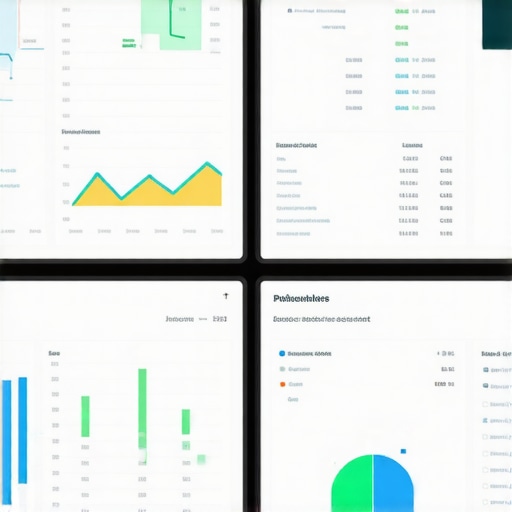
Monitoring long-term results involves establishing routines. For instance, I schedule monthly financial reviews using custom dashboards created in my accounting software. This helps me spot trends early, such as cash flow dips or unexpected expense spikes, allowing me to adjust proactively. The future of financial tools is leaning toward AI-driven analytics, which will automate these insights further and help predict potential compliance risks before they occur. Staying ahead means investing in automation and continuous learning about new features and updates from your software providers.
How do I keep my systems effective over time?
Consistency is key. I dedicate time each quarter to reviewing system configurations, updating user permissions, and ensuring integrations are functioning correctly. Additionally, collaborating with a CPA for periodic audits or reviews can uncover hidden issues before they escalate. For example, I schedule biannual audits with a trusted CPA to ensure my ledger matches my financial reports, which I learned helps in avoiding surprises during tax season.
Incorporating these practices not only streamlines operations but also builds resilience against errors and compliance lapses. The trend is moving toward greater automation and smarter integrations, which I encourage you to embrace. For a practical start, try automating your reconciliation process using your accounting software’s bank feed features—it’s a game-changer in reducing manual errors and saving valuable time. Discover how to leverage your existing software for real-time tax planning at this guide. Staying proactive with tools and routines today sets the foundation for a stable and scalable financial future.
The Hard-Won Lessons Beyond the Balance Sheet
- One of my biggest wake-up calls was realizing how a seemingly simple decision about payroll frequency could ripple into compliance nightmares and cash flow chaos. It forced me to understand that every timing choice is a strategic move, not just a scheduling preference.
- I once thought overlooking small discrepancies in payroll records was harmless—until an IRS notice made me see that even tiny errors have a way of snowballing into costly audits. Paying close attention to detail is vital, especially when it comes to payroll documentation.
- Accessing professional guidance changed my entire approach. Collaborating with a CPA didn’t just help me avoid penalties; it equipped me with insights into nuanced tax strategies tied directly to payroll timing, boosting both compliance and savings.
- Integrating automation tools and maintaining regular system audits transformed my financial oversight from reactive to proactive. The peace of mind that comes with automated workflows and periodic reviews is priceless, allowing me to focus more on growth than on firefighting.
The Toolbox That Transformed My Financial Management
- QuickBooks Online—This platform has been a cornerstone for my real-time financial tracking and reconciliation, ensuring I catch errors early and stay aligned with tax deadlines.
- Gusto—For payroll automation, compliance alerts, and employee self-service, Gusto simplifies my payroll process, minimizes mistakes, and keeps me on the right side of regulations.
- The accountant’s wisdom—Regular consultations with a CPA not only prevent costly missteps but also unlock tailored tax strategies, especially around complex areas like depreciation and multi-state filings.
- Automation and monitoring routines—Establishing quarterly reviews and leveraging AI-driven analytics are the future-proof steps I recommend for continuously aligning your payroll and tax strategies.
Your Next Step Toward Financial Confidence
Running a small business involves navigating complex financial territories, but mastering payroll cycles and integrating smart tools can drastically reduce risks and unlock growth potential. The key is embracing proactive strategies and trusting in the right support systems—your future self will thank you for it. Remember, every small tweak in your payroll process can have a significant impact on your overall financial health. Take action now, stay curious, and don’t hesitate to seek expert guidance to build a resilient and compliant financial foundation. Are you ready to evaluate your current payroll cycle and discover hidden opportunities? Share your thoughts below—I’m eager to hear your experiences and tips.