
The Missing Link Between Your CRM and Your Tax Liability

I remember a frustrating morning when I finally realized that despite all my efforts, my tax bill was unexpectedly sky-high, and I had no clear idea why. It was like trying to fill a bucket with a hole in it—no matter how much I poured in, the leak kept draining it away. That was my lightbulb moment: I was missing a crucial piece of the puzzle—a real connection between my customer relationship management system (CRM) and my actual tax liability. I had been treating these tools as separate islands, unaware that the data flowing between them could be the key to managing my taxes more effectively.
The Hidden Chasm: Why Your CRM Data Could Be Costing You Thousands
It’s easy to dismiss your CRM as just a sales and marketing tool, but it’s so much more. Your CRM holds a treasure trove of information—client interactions, purchase habits, service histories—that directly impact your financial picture. If this data isn’t integrated into your tax and accounting systems, you’re stabbing in the dark when planning for tax season. Believe me, early on, I made the mistake of siloing my CRM from my accounting software, thinking they served different purposes. That mistake cost me dearly when last-minute surprises popped up during audits, and I had no ready answers. Don’t let this happen to you. Properly linking your CRM with your financial management is not just a technical upgrade—it’s a strategic move that can save you time, money, and headaches.
So, how do you start bridging this gap? Imagine having real-time insight into your taxable income and deductible expenses right from your CRM dashboard. That’s not a fantasy. It’s achievable with the right tools and approach. By automatically syncing your customer data with your accounting system, you can track billable hours, recurring charges, and even expenses linked to individual clients. This level of integration ensures that when tax season comes knocking, you’re not scrambling to piece together scattered data. Instead, you’ll have everything ready, accurate, and aligned.
And here’s the big promise: In this post, I’ll walk you through the practical steps to connect the dots between your CRM and your tax liabilities. Whether you use a popular CRM platform or a niche system, I’ll help you understand how to set up seamless data flows, so you can focus on growing your business instead of fighting fires when tax deadlines loom. Ready to transform chaos into clarity? Let’s dive into how you can make this happen.
Have you ever struggled with accurately tracking client-related expenses or keeping your CRM and accounting aligned? If so, you’re not alone. Many small business owners face this issue, and it can lead to costly mistakes. But I’m here to tell you there’s a better way—and it starts with seeing your data as an interconnected web, not isolated silos. For further guidance on managing payroll compliance and avoiding costly errors, check out [this expert advice](https://financeauthoritys.com/mastering-payroll-compliance-expert-tips-for-2025-success). Now, let’s explore how you can practically implement this vital link to your benefit.
Set Up Automated Data Syncs to Eliminate Manual Entry
Start by selecting an integration tool or platform that connects your CRM with your accounting or tax software. For example, using Zapier or custom API connectors allows for real-time data transfer. I once used a CRM plugin that automatically synced client billing info to my accounting system, drastically reducing reconciliation time. The key is to automate repetitive tasks that are prone to human error, freeing up your time for more strategic activities.
Map Relevant Data Fields for Accurate Tax Reporting
Identify and define what data points are crucial for tax purposes—such as billable hours, expenses, or recurring payments. During implementation, I created custom fields in my CRM to track those expenses linked to each client. Then, I mapped these fields to corresponding ledger accounts in my accounting software. This ensures data consistency and accuracy when preparing tax documents or during audits, simplifying compliance and reducing penalties.
Establish Regular Data Audits to Maintain Integrity
Even with automation, discrepancies can occur. Schedule monthly audits of your integrated data to catch and correct inconsistencies. I set calendar reminders for manual spot checks, especially before tax deadlines. This proactive approach prevents last-minute scrambles and keeps your financial data reliable, which is essential for accurate tax filings and minimizing audit risks.
Leverage Cloud-Based Tools for Accessibility and Backup
Use cloud platforms that allow secure access to your financial data from any location. During a busy tax season, I accessed my integrated data remotely to verify figures during meetings. Cloud storage also offers automatic backups, protecting you against data loss caused by hardware failures or cyberattacks. This flexibility is vital for small businesses managing multiple projects and remote teams.
Integrate Financial Insights into Your Business Strategy
Harness the power of real-time data to make informed decisions. For instance, by analyzing client-specific expenses and revenue, I identified opportunities to upsell services, boosting my profitability. Additionally, tools like Finance Authority Insights can help you stay ahead of changing tax laws—see how to anticipate upcoming regulations and adjust accordingly. This strategic integration turns data from mere numbers into a competitive advantage.
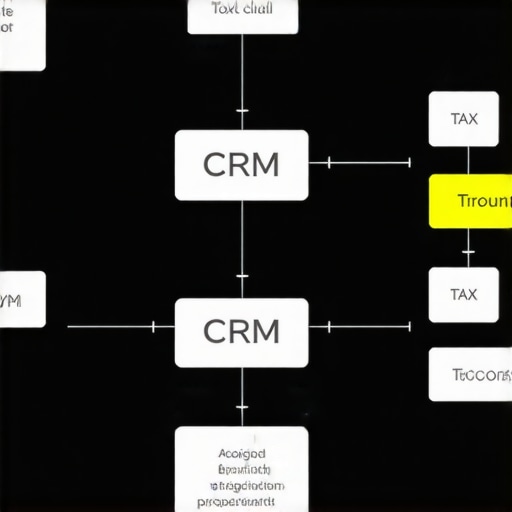
Visualize your integrated CRM and tax data workflow with a flowchart showing data movement from client interactions to tax reporting systems, emphasizing automation and accuracy.
Many small business owners and entrepreneurs assume that CPA services and tax preparation are straightforward, only involving annual filings or routine audits. However, this mindset often leads to missed opportunities and costly mistakes. One common misconception is that CPAs are only there to file your taxes after the year ends. In reality, a proactive CPA can serve as a strategic partner, helping you optimize deductions, navigate complex regulations, and plan for growth. Overlooking this nuance can result in paying more in taxes than necessary and exposing your business to compliance risks.
Another often ignored aspect is the complexity of payroll and audit support. Business owners might think that implementing payroll is just about paying employees on time. Yet, payroll is intertwined with local tax regulations, benefit compliance, and employee classifications. Missteps here can trigger penalties and legal issues. For example, failing to properly classify workers as independent contractors versus employees can cause significant IRS penalties. It’s crucial to understand the nuances of payroll compliance and partner with advisors skilled in [streamlining payroll processes](https://financeauthoritys.com/streamlining-payroll-processes-for-tech-driven-businesses).
When it comes to audits, many small businesses mistakenly believe that audits are rare and only happen if they suspect fraud. In fact, the audit process can be initiated due to simple errors or discrepancies in records. Poor record-keeping or misinterpreted tax law can turn an audit into a lengthy, stressful, and expensive ordeal. Having a robust audit support strategy, including thorough documentation and audit readiness, is not just precautionary but essential. Learn more about [audit support strategies](https://financeauthoritys.com/audit-support-strategies-every-business-needs-in-2025) that can save you from chaos.
Beneficially, a key oversight many make is undervaluing the importance of continuous education and nuanced understanding of evolving tax laws. Tax regulations are constantly changing, often making previous assumptions obsolete. For instance, the 2025 changes in tax law could provide new deductions or impose new compliance requirements. Staying ahead with ongoing tax authority insights, like those found [here](https://financeauthoritys.com/finance-authoritys-guide-to-staying-ahead-of-tax-changes-in-2025), can benefit your bottom line and mitigate legal risks.
A critical trap is relying solely on generic advice or DIY software without understanding these complex nuances. Automated tools are helpful but can’t replace expert analysis tailored to your specific situation. An experienced CPA will identify hidden opportunities and dangers specific to your industry and structure your finances to maximize benefits. For example, properly categorizing expenses, understanding multi-state tax obligations, and planning for future tax law changes could save substantial money.
Have you ever fallen into this trap? Let me know in the comments. Remember, effective financial management is not just about compliance—it’s a strategic advantage when you understand and leverage these hidden nuances.Maintaining your financial systems requires a combination of the right software, disciplined processes, and routine reviews. Over the years, I’ve found that leveraging specific tools tailored to CPA services, tax prep, payroll, and audit support is essential for long-term success.
One of my go-to platforms is QuickBooks Online, which I’ve personally used for over a decade. Its real-time syncing capabilities with bank accounts and credit cards allow for continuous reconciliation, reducing discrepancies that often lead to costly errors during tax season. Additionally, integrating QuickBooks with a CRM like HubSpot, using middleware such as Zapier, enables automatic updates of client data against financial entries, streamlining data accuracy. This integration minimizes manual entry errors and keeps your financial data fresh.
For payroll management, Gusto stands out because of its automated compliance features and easy tax filings. I recommend setting up regular audits of your payroll reports through Gusto’s dashboard, which simplifies compliance with changing regulations—especially important as you expand across multiple states. Regular review of payroll data is crucial; I suggest monthly checks to catch inconsistencies early, preventing larger issues down the line.
When it comes to audit support, cloud-based document management systems like Dropbox Business or Google Drive facilitate secure, organized storage of supporting documents. Tagging documents by client and date makes retrieval during an audit straightforward, saving time and stress. Remember, good record-keeping is your best defense against audit pitfalls, as highlighted in [this expert advice](https://financeauthoritys.com/audit-support-strategies-every-business-needs-in-2025).
Looking ahead, I believe that automation and AI-driven analytics will become even more critical. Tools like Fathom or Spotlight Reporting are expanding to include predictive analytics that help anticipate tax liabilities or cash flow issues before they arise. Investing in these advanced insights now positions your business for scalable growth.
**How do I maintain these tools and systems over time?** The key is setting scheduled reviews—quarterly check-ins to update software, recalibrate integrations, and adjust processes based on your evolving business needs. Regular training sessions for your team also ensure everyone remains proficient with the latest features and compliance changes. For a comprehensive approach, visit [this resource](https://financeauthoritys.com/finance-authoritys-guide-to-staying-ahead-of-tax-changes-in-2025) to stay aligned with upcoming regulatory shifts.
To optimize your financial management further, I highly recommend trying to automate your report reconciliations using bank feed integrations—it’s a game changer in reducing manual errors. Embrace these tools and routines, and you’ll see sustained efficiency and peace of mind in your operations.
Lessons That Changed My Approach to Financial Management
- Never underestimate the intelligence of your data. Connecting your CRM with your tax systems turned out to be the game-changer I didn’t know I needed.
- Automation isn’t just a time-saver—it uncovers insights you might never see through manual entry, saving me thousands in avoidable errors.
- Understanding the nuances of payroll and audit support became clearer once I realized how intertwined these elements truly are—it’s about proactive management, not reactive fixes.
- The biggest mistake I made was treating my financial tools as isolated islands; integrating them created a tidal wave of clarity and control.
Tools That Became My Secret Weapon for Better Financial Outcomes
- QuickBooks Online—its real-time bank feeds and seamless integration with other platforms kept my finances accurate and audit-ready.
- Gusto—automating payroll compliance allowed me to focus more on growth than on penalty fears.
- Dropbox Business—organized, secure, and accessible documents helped me respond swiftly during audits and audits support discussions.
- Fathom—its predictive analytics gave me a glimpse into future tax liabilities and cash flow issues, enabling strategic planning ahead of time.
Harness Your Potential and Transform Your Financial Future
Remember, taking the step to connect your CRM with your tax and financial systems might feel daunting at first, but the payoff is worth it. Don’t wait for errors or surprises to force your hand—start now, and turn your data into your strongest ally. Your future self will thank you for the proactive moves today. How will you start integrating your systems to improve your financial health? Share your plans or questions below—let’s learn from each other and grow stronger together.