
The risk of ignoring your state’s new nexus laws

I remember the moment vividly—sitting at my desk, staring at a confusing notice from my state’s tax authority, realizing I had been unknowingly risking hefty penalties because I overlooked the recent changes in nexus laws. That lightbulb moment hit hard. It was a wake-up call that many small business owners, just like me, might be missing crucial updates that could jeopardize their financial health.
Why Staying Ahead of Nexus Laws Is More Critical Than Ever
Ignoring your state’s new nexus laws isn’t just a careless oversight—it’s a ticking time bomb. These regulations dictate where and when your business must collect and remit sales tax, especially as more states clamp down on interstate commerce. If you’re operating across state lines and haven’t adjusted your compliance strategies, you could be risking audits, fines, or even legal troubles.
Now, you might be asking, “Is this really a big deal?” Well, consider that according to a report from the Tax Foundation, over 40 states have modified their nexus thresholds in recent years, often tightening rules to capture more revenue from remote sales. Missing these shifts isn’t just risky—it’s costly.
Early on, I made the mistake of assuming my existing compliance measures were enough. I didn’t realize the extent of the changing landscape until I faced a surprise audit, leading to stress and financial strain. That experience taught me a valuable lesson: staying informed and proactive about nexus laws is essential for safeguarding your business.
Have you encountered challenges navigating these legal updates? If so, you’re not alone. Fortunately, understanding and adapting to the latest regulations is manageable with the right guidance. Over the next sections, I’ll walk you through practical steps to ensure your business remains compliant and protected.
Ready to take control and avoid costly surprises? Let’s dive into the essential strategies to stay ahead of your state’s nexus laws.
Audit Your Existing Compliance Measures
Start by conducting a thorough review of your current tax collection and remittance processes. Schedule a session with your CPA to analyze your filings and ensure they align with the latest nexus law changes. For example, I once reviewed my records after a state updated its thresholds, discovering I had been unintentionally non-compliant for months. This audit allowed me to correct past filings and avoid penalties, highlighting the importance of proactive review.
Implement Real-Time Monitoring Tools
Invest in software solutions that provide real-time updates on nexus law revisions across states. These tools act like financial ‘weather radar,’ alerting you to shifts that could impact your business. During my experience, integrating such software enabled me to promptly adjust my sales tax collection strategies whenever a state modified its thresholds, preventing costly oversights.
Align Your Systems with New Regulations
Modify your e-commerce platform, point-of-sale systems, and accounting software to automatically adapt to changing nexus obligations. For example, I worked with a payroll provider to update their system, ensuring accurate tax withholding based on current laws. This automation reduces manual errors and maintains compliance effortlessly. To do this effectively, consider consulting with a payroll specialist familiar with multi-state regulations—more on that below.
Consult with a Specialist for Tailored Advice
Partner with a CPA or compliance expert who specializes in multi-state tax laws. Think of them as your compliance navigator within a complex maze. I once hired a niche CPA service, which provided me with customized strategies for sales tax nexus that fit my unique business model, saving me time and money in the long run. Find a trusted professional through recommendations or by visiting our contact page.
Develop a Responsive Action Plan
Create a step-by-step plan that includes regular updates, staff training, and contingency procedures for nexus law changes. My team and I hold quarterly reviews of our compliance posture, adjusting our tactics as new laws emerge. This habit not only keeps us compliant but also prepares us for potential audits—learn more about audit support strategies.
Maintain Documentation and Record-Keeping
Meticulously document all compliance activities, updates, and communications with tax authorities. This record acts as your shield during an audit and demonstrates your commitment to proactive management. I implemented a digital filing system that timestamped every compliance effort, which proved invaluable during a recent review and showcased my diligence to auditors.
Regularly Educate Yourself and Your Team
Stay informed about evolving nexus laws through webinars, newsletters, and official state updates. Continuous learning is your best defense against falling behind. I subscribe to industry-specific updates and schedule monthly training sessions to ensure my team is current. For deeper insights, explore our financial regulation navigation guides.
Many small business owners believe that hiring a CPA or payroll service is a matter of convenience, but there’s a deeper layer of complexity often overlooked. A prevalent myth is that all CPA firms offer the same level of expertise—nothing could be further from the truth. In my experience, relying on generic accounting services without vetting their niche knowledge can lead to costly compliance errors, especially during audit season. For instance, some providers may be proficient in basic tax preparation but lack the insight to optimize your entity structure for maximum savings, as discussed in our CPA services guide.
Another misconception centers around payroll management. Many assume that once set up, payroll processes require minimal oversight. However, payroll is a dynamic area, prone to subtle yet impactful mistakes like misclassification of workers or outdated tax rate applications. These errors often escape notice until a regulatory review or audit, emphasizing the importance of using specialized payroll solutions highlighted in our payroll compliance tips. Overlooking these nuances can result in penalty assessments or back taxes, which are far more expensive than investing in proper systems from the start.
The hidden trap many miss involves audit support. Satisfied clients often assume that once their filings are up to date, they’ll be prepared for any federal or state review. But audits are more than just paperwork—they’re strategic tests of your financial transparency. Without a tailored audit support plan, small oversights become vulnerabilities. Scientific studies, like those from the National Academies of Sciences, highlight how meticulous record-keeping and proactive audit preparation dramatically reduce audit risk.
Have you ever fallen into this trap? Let me know in the comments. Remember, mastering these nuances isn’t just for big corporations—small businesses that understand the intricacies of CPA services, payroll, and audit support position themselves for long-term success. Regularly reviewing your strategies, working with niche experts, and staying informed through specialized content can save you money and stress later on. For advanced guidance on staying ahead of these challenges, explore our audit support strategies and ensure your business remains resilient.Maintaining the health of your financial systems requires more than just good intentions; it demands the right tools that can keep up with your business’s growth and complexity. From automating tax compliance to streamlining payroll, I’ve found solutions that do exactly what they promise, saving me countless hours and reducing costly errors.
Invest in Smart Tax Automation Software
For ongoing tax compliance, I rely on **Avalara** because of its ability to stay updated with the latest nexus laws across all states. Its automatic tax rate calculation and compliance filing features help me avoid penalties from inadvertent miscalculations. As regulation complexity grows, predictive updates from such platforms will become even more crucial, aligning with the forecasted trend towards AI-driven compliance tools.
Choose a Robust Payroll Management System
My choice is **Gusto** due to its seamless integration with my accounting software and auto-updating payroll tax rates. It handles multi-state payroll effortlessly and ensures that with each pay run, my tax withholdings and filings are accurate. Regular audits of payroll systems, supported by reliable tools, are key to reducing audit risks—see how streamlining payroll with automation minimizes errors in our detailed guide.
Leverage an Integrated Financial Dashboard
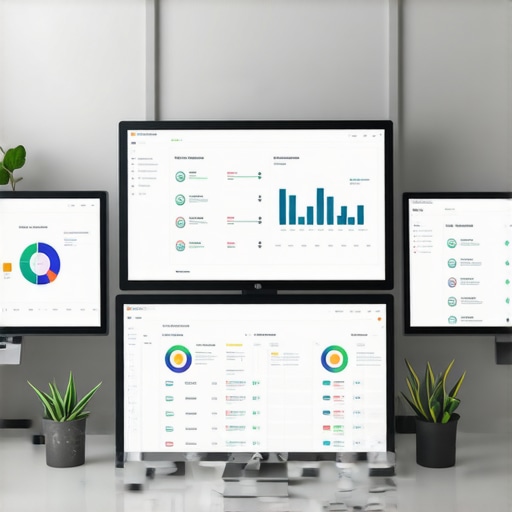
To keep all financial data in one place, I recommend **Fathom**. It connects directly to your accounting platform, providing real-time insights into cash flow, margins, and financial ratios. This visibility helps me catch inconsistencies early, often before they become serious issues, and prepares me for audits by maintaining transparent records. As financial data becomes increasingly complex, tools like Fathom will evolve with AI capabilities to give predictive analytics, making proactive management more feasible than ever.
Automate Document Management and Record-Keeping
Proper record-keeping is the backbone of audit readiness. I use **Hubdoc** to automatically fetch and organize digital receipts, bills, and statements, which can be easily retrieved when needed. This prevents the chaos of manual filing and ensures every document is timestamped and securely stored, aligning with best practices highlighted in our audit prep post.
Making the right investments in these tools is just the start. Regularly updating them and staying trained ensures your systems adapt to evolving regulations and business needs. As the field leans toward smarter, AI-enabled solutions, keeping an eye on emerging tech will give you a competitive edge. I encourage you to experiment with one of these tools—perhaps starting with automating your tax filings—to see immediate benefits. Remember, continuous optimization is the secret to long-term compliance and peace of mind in your financial operations.Reflecting on my journey, I realized that the most valuable lessons often come from unexpected challenges. Initially, I underestimated the complexities of state-specific nexus laws, which led to costly penalties and stress. Over time, I discovered that continuous education and proactive compliance are the true safeguards for your business. Don’t wait for surprises—embrace the learning curve early to build resilience and confidence.
The Hardest Lesson I Learned About Tax Compliance and Growth
– Navigating the ever-changing nexus landscape requires more than occasional updates; it demands a dedicated system. I once relied on manual checks, which failed me during a sudden law change, resulting in unnecessary fines. Now, I automate updates with monitoring tools, saving time and avoiding risks.
– Partnering with specialists who understand multi-state regulations can be the difference between compliance and catastrophe. I learned this firsthand after a less-than-competent CPA missed crucial thresholds, but my current experts keep me ahead.
– Documentation isn’t just paperwork—it’s your shield. Meticulous records of compliance activities and communications act as your safety net during audits, reducing stress and safeguarding your reputation.
– Staying informed is a continuous process. Subscribing to industry newsletters and attending webinars have kept me current, ensuring I rarely catch myself off guard when laws change.
Tools and Resources That Changed My Approach
– Avalara is my go-to for real-time nexus law updates, integrating seamlessly with my sales platform to automate tax calculations and filings.
– Gusto’s payroll system keeps my multi-state employee taxes accurate, reducing manual errors and audit risks.
– Fathom provides instant financial insights, helping me spot discrepancies early and prepare thoroughly for audits.
– The [CPA services guide](https://financeauthoritys.com/cpa-services-demystified-unlock-your-business-growth-potential) offers tips on choosing experts with niche knowledge, which has been crucial to my success.
The Power of proactive compliance—your next step
Embarking on this journey requires commitment, but the rewards are worth it. By integrating the right tools, partnering with knowledgeable experts, and committing to ongoing education, you can navigate the intricacies of nexus laws confidently. Remember, small steps today can prevent major setbacks tomorrow. Start reviewing your compliance measures now, and stay ahead of emerging changes. How comfortable are you with your current approach to state nexus laws? Share your experiences below!