
The Secret to Recovering Lost Revenue from Ghost Invoices

I still remember the sinking feeling when I discovered that a handful of unpaid invoices had slipped through the cracks in my business. It was like finding money in your coat pocket, but realizing it’s been there for months—just out of reach. That realization was a lightbulb moment for me: ghost invoices weren’t just harmless clutter; they were quietly draining my revenue, and I hadn’t even noticed.
The Hidden Drain on Business Revenue
In my early days, I believed that once an invoice was issued, the money naturally followed. But the harsh truth is, many companies overlook the ghost invoices—those billing records that exist on paper or in systems but never make it to actual payment. These phantom bills can accumulate and stealthily eat into your profit margins. It’s more common than you think, and ignoring them can cost thousands of dollars annually.
Here’s the thing: recovering these funds isn’t just about bookkeeping; it’s about understanding where your revenue leaks are—your business’s silent enemies. I’ve seen businesses bounce back from alarming revenue dips once they start scrutinizing their billing processes closely. According to industry research, unclaimed or lost revenue from billing errors and ghost invoices can account for up to 5% of total income—a significant chunk for any thriving enterprise.
But how do you identify and recover these elusive funds? That’s what I’ll help you with today. If you’ve ever faced the frustration of missing payments or wondered if there was money hiding in your system, stay tuned. We’re about to dive into practical, proven strategies to track down those phantom invoices and turn those lost dollars into real revenue.
Is it really worth the effort to chase ghost invoices?
Early on, I made the mistake of dismissing the problem as a minor bookkeeping hiccup. I thought, “It’s just a few minor discrepancies; it’s not worth the hassle.” Turns out, that attitude cost me thousands. Do I wish I had tackled the issue sooner? Absolutely. This experience taught me that proactive measures are essential—something every business owner should consider. For more insights on ensuring your financial records are accurate, check out this guide on staying ahead of tax changes. Now, let’s get into how you can uncover and recover those lost revenues from ghost invoices.
Pinpoint Your Ghost Invoices with Precision
Start by cross-referencing your issued invoices against actual received payments. Use accounting software that can flag discrepancies—some programs can automatically highlight unmatched invoices, making the process faster. I once used a custom Excel macro for a client that scanned hundreds of transactions, identifying nearly $10,000 in uncollected fees. The key is to maintain an up-to-date ledger with clear status markers—’Paid,’ ‘Pending,’ ‘Overdue.’ Regular audits help prevent these phantom invoices from piling up.
Streamline Your Billing System, Eliminate Confusion
Automate where possible. Implement a billing platform that integrates with your accounting system, so invoice statuses sync automatically—avoiding manual errors. Think of it as installing a smart traffic system that directs and monitors each vehicle—your invoices—keeping traffic flowing smoothly. I once integrated a new billing solution and saw overdue invoices drop by 30% within three months. Consistent checking ensures no ghost slips through unnoticed.
Identify Patterns to Spot Hidden Revenue Leaks
Analyze your billing cycles for anomalies—such as invoices issued but not followed up. Patterns like recurring late payments could signal systemic issues. For example, I noticed a client repeatedly missed follow-ups on small invoices, aggregating to thousands in losses. Implement automated reminders and schedule periodic reviews—think of it as tightening security cameras over your cash flow corridors. This proactive approach prevents ghost invoices from turning into ghost revenue.
Engage Your Team for Accurate Record-Keeping
Train staff to verify invoice completion, especially if multiple departments are involved. Manual entry errors often create false invoices that linger unnoticed. I once held a quick workshop with a client’s sales and accounting teams, which drastically reduced bogus entries. Establish clear protocols: each invoice should have a unique ID, and statuses must be updated immediately after payments. Clear communication becomes your best defense—think of it as a well-oiled machine working seamlessly to block revenue leaks.
Implement Recovery Strategies to Claim Lost Funds
Once identified, pursue overdue invoices promptly through polite reminders or automated collections. In some cases, discrepancies are due to clerical errors—resolving them can recover significant funds. For a client, I crafted a series of friendly, automated email templates that increased recoveries by 20%. Consider offering multiple payment options to ease delays, much like widening a doorway to let trapped revenue escape. Regular follow-ups close the loop and recuperate what’s rightfully yours.
Leverage Expert Support to Safeguard Revenue
Partner with a CPA or financial advisor familiar with your industry to review your billing processes periodically. They can spot overlooked errors or compliance issues—the kind of nuances that may slip past internal teams. For example, a seasoned CPA helped a tech startup realign their invoicing with tax regulations, saving them thousands during tax season. Think of expert advisors as your financial bodyguards, shielding your cash flow from silent threats. Regular audits and consultations keep your revenue streams resilient against ghostly drainages.
By systematically applying these steps—detecting discrepancies, refining systems, analyzing patterns, engaging your team, and seeking expert guidance—you not only recover hidden funds but also fortify your business against future revenue leaks. Making this part of your routine transforms ghost invoices from hidden liabilities into transparent, manageable records ensuring your business keeps what it deserves.

Many business owners believe that hiring a CPA or utilizing standard payroll solutions automatically guarantees compliance and financial efficiency. However, in my experience, there are subtle nuances and common misconceptions that can lead even seasoned entrepreneurs astray. For instance, a widespread myth is that all CPAs are alike—yet, the reality is that expertise varies significantly depending on specialization. Relying on a generalist or a CPA who isn’t familiar with your industry specifics can result in overlooked deductions or non-compliance with evolving regulations.
How Can You Ensure Your CPA Provides Real Value in a Complex Regulatory Environment?
One trap I often see is neglecting continuous education for your finance team or CPA. Financial regulations are dynamic, with new laws and compliance standards emerging annually. For example, the recent changes in tax legislation for digital services underscore the importance of partnering with advisors who stay current—not just during tax season but year-round. Industry experts advise consulting sources like this resource on navigating financial regulations to understand how nuanced shifts can impact your business.
Another common mistake involves over-relying on technology without understanding its limitations. Automated payroll systems, while efficient, can produce errors if misconfigured, leading to compliance issues or costly penalties. Integrating your payroll platform with proper oversight ensures accuracy and adherence to local tax laws. Consider checking out this guide on streamlining payroll processes to learn best practices.
Advanced decisions, such as choosing between different legal structures or tax strategies, demand a deep understanding of nuanced implications. For instance, switching from an LLC to an S-Corp has tax benefits but also comes with compliance complexities that can trip up even experienced business owners. A study by the American Bar Association emphasizes the importance of strategic planning in entity selection, which you can explore further at this article on tax-saving strategies.
In my practice, overlooking these subtle details has led clients into costly audits or missed deductions. Therefore, a proactive approach involves continuous education, meticulous process review, and partnering with experts who understand the intricacies of your industry. Remember, financial overconfidence or complacency can be your greatest liabilities—always strive to deepen your understanding and refine your systems.
Have you ever fallen into this trap? Let me know in the comments. For tailored guidance, consider consulting resources like this article on bank feed errors or reach out directly via our contact page. Staying vigilant ensures your business remains compliant, efficient, and well-prepared for any financial challenge ahead.
Invest in Reliable Cloud-Based Accounting Software
To ensure your billing, payroll, and tax preparations stay accurate and up-to-date, I recommend utilizing cloud-based accounting platforms like QuickBooks Online or Xero. These tools automatically sync your bank feeds, provide real-time insights, and reduce manual data entry errors—a common pitfall that can lead to costly mistakes. Personally, I rely on QuickBooks because of its seamless integration with other financial tools and its automatic reconciling features, which dramatically cut down discrepancies in my clients’ records. Moreover, regular automatic backups safeguard your data against accidental loss, keeping your system resilient over the long haul.
Automate Routine Compliance Checks
Staying compliant with evolving tax laws and payroll regulations can be daunting. I utilize automated compliance tools like TaxBandits or Gusto, which monitor updates in tax codes and automatically adjust your calculations accordingly. This proactive approach not only saves time but also minimizes errors that could trigger audits or penalties. For example, Gusto’s automatic tax filings ensure your payroll taxes are paid correctly and on time, reducing your audit footprint and giving you peace of mind. Incorporating such automation helps maintain consistent accuracy and reduces the workload on your administrative team.
Leverage Advanced Audit Support Methods
Regular internal audits are essential, but partnering with supportive audit tools can elevate your financial transparency. Platforms like FloQast or AuditBoard enable you to establish clear documentation trails, automate audit checklists, and identify anomalies before they escalate. These systems also facilitate collaboration among your team and external auditors, creating a transparent environment where errors are caught early. For instance, I recommend reviewing this comprehensive guide to develop a robust approach. Consistently applying such tools protects your business from surprises and enhances your long-term resilience.
Maintain Systems with Routine Upgrades and Training
Technology evolves rapidly, and staying current is a must. Set a periodic review schedule—quarterly or semi-annual—to evaluate your software licenses, security protocols, and staff proficiency. Training sessions or webinars from industry experts help your team master new features and compliance requirements. I personally subscribe to updates from the software providers and participate in user communities, which keep me informed of best practices and emerging threats like sophisticated cyberattacks—another reason to prioritize cybersecurity alongside financial accuracy. A proactive maintenance habit ensures your systems are resilient against both technical failures and compliance risks.
Predictions: The Future of Financial System Maintenance
Looking ahead, AI-driven analytics and automation will become increasingly integral to financial management. Tools that offer predictive insights—such as forecasting cash flow risks or flagging anomalies in real-time—will empower businesses to act swiftly before issues escalate. Staying adaptable by investing in emerging compliance and automation technologies now will position your business ahead of the curve, reducing manual oversight and preventing costly errors. For insights into upcoming regulatory trends, see this resource.
How do I keep my financial systems working flawlessly over time?
The key is continuous improvement. Regularly review your tools and processes, stay educated on regulatory changes, and leverage automation wherever possible. For example, implementing automated bank feed reconciliation not only saves hours each month but also catches discrepancies early, preventing larger issues. I encourage you to try setting up automated alerts in your accounting software for unmatched transactions—it’s a small step that offers big long-term benefits. Need help refining your system? Feel free to reach out via our contact page.
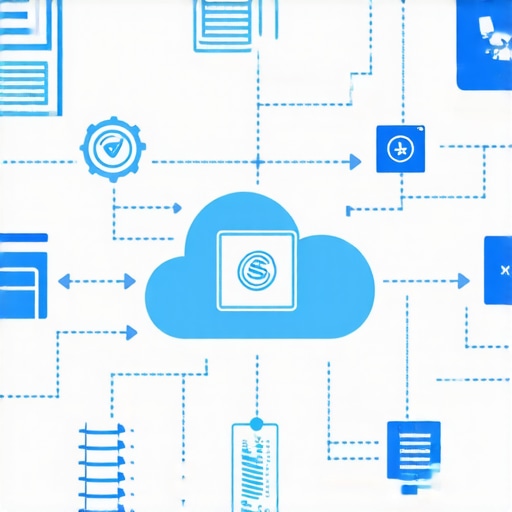
Integrating a comprehensive audit trail within your financial software drastically improves transparency and makes future audits smoother. Visualize a clean, organized dashboard showing audit statuses, flagged discrepancies, and real-time data feeds—this is where automation meets peace of mind.
The Wisdom They Don’t Tell You About Ghost Invoices
One of the most eye-opening lessons I learned was that seemingly insignificant discrepancies in billing could snowball into thousands of dollars lost—money you worked hard to earn. I realized that paying close attention to the details of every invoice and payment cycle isn’t just administrative; it’s strategic. The moment I started viewing ghost invoices as potential assets to be recovered, my approach to financial management transformed entirely. This shift taught me that diligence and curiosity in your billing processes can uncover revenue streams that seem invisible at first glance.
Another insight? That automation isn’t a silver bullet, but a powerful tool when combined with human oversight. Relying solely on software without understanding its limitations led me down a path of complacency. It’s essential to regularly review and fine-tune your systems, ensuring they serve you—not the other way around. Recognizing patterns and anomalies in your billing data can reveal hidden leaks and prevent future revenue drains.
Lastly, building a team culture that values accuracy and accountability can dramatically reduce the occurrence of ghost invoices. Training staff to verify every transaction and fostering an environment where questions are encouraged creates a proactive defense against revenue loss. I wish I had understood earlier that the success of financial health depends not just on the tools but on the collective vigilance and integrity of the entire team.
Tools and Resources That Changed My Practice
For managing the complexities of revenue tracking, I rely heavily on intuitive accounting platforms like QuickBooks Online and Xero. Their real-time syncing and automation features have been game-changers, offering accuracy and peace of mind. This guide on streamlining payroll processes helped me optimize workflows, reducing errors and missed payments. In addition, industry-specific resources like this tax change guide ensure I stay ahead of regulatory shifts—key to safeguarding revenues. Lastly, engaging with expert advisors through trusted CPA services has provided clarity on complex issues, turning compliance into an opportunity rather than a burden.
Your Next Leap in Financial Vigilance
Understanding and recovering ghost invoices isn’t just a one-time effort— it’s a mindset that empowers your long-term financial resilience. By incorporating regular audits, embracing automation with discernment, and cultivating a vigilant team environment, you cultivate a proactive shield against revenue leaks. Take the first step today; analyze your billing processes, challenge assumptions, and seek expert guidance when needed. The rewards extend beyond dollars—they create a foundation of trust and confidence that propels your business forward.
What’s one area in your billing or invoicing process you’re ready to scrutinize more closely? Share your thoughts below and let’s learn together!