
The truth about the home office deduction for modern hybrid teams

I sat there in 2021, staring at a laptop propped up on a stack of cookbooks, convinced I was about to save thousands. I’d just started a hybrid gig—three days in the downtown office, two days in my sanctuary (which was actually just a corner of my dining room). When tax season rolled around, I confidently claimed a massive home office deduction. Six months later, I got a letter from the IRS that made my stomach drop. I had completely misunderstood the exclusive use rule. It was a stressful, expensive mistake that taught me a hard lesson: the rules for the modern hybrid workforce are a lot stingier than the internet headlines lead you to believe. If you’re currently toggling between a corporate desk and a home setup, you’re likely sitting on a ticking tax time bomb—or worse, leaving money on the table because you’re too scared to claim what’s rightfully yours. Today, I’m going to cut through the noise and show you exactly how to navigate these murky waters without ending up on the wrong side of an audit. [image-placeholder-1]
Why Your Hybrid Workspace Might Not Be the Tax Break You Think
The biggest trap I fell into was assuming that working from home automatically equaled a deduction. Here is the cold, hard truth: if you are a W-2 employee working for a company, the federal home office deduction essentially vanished with the Tax Cuts and Jobs Act of 2017. Many people still don’t realize this. According to the IRS, the deduction is now primarily reserved for the self-employed or those with specific side hustles. I spent weeks uncovering the truth about home office deductions for remote workers only to find out my dining table didn’t qualify because I also ate dinner there. For a deduction to stick, that space must be used exclusively for business. If your kid does their homework at your desk, or you use that room as a guest bedroom on weekends, you’ve technically disqualified yourself. It feels unfair, right? Especially when you’re paying for high-speed internet and extra electricity to keep the lights on for your employer.
Is This Tax Break Actually Worth the IRS Scrutiny?
You might be wondering if the juice is worth the squeeze. For some, it absolutely is—especially if you’ve transitioned into a 1099 contractor role or started a side business while working your hybrid job. I’ve seen CPA services demystified for friends who realized they could save thousands just by rearranging their furniture to create a dedicated office. But the fear of an audit is real. Have you ever hesitated to claim a deduction because you were worried about red flags? It’s a common anxiety. However, if you follow tax prep tips for freelancers and gig workers in 2025, you can document your way to safety. The key isn’t just having the space; it’s having the proof. My mistake was a lack of documentation and a total misunderstanding of my employment status. We’re going to make sure you don’t repeat those blunders.
How to Claim Your Space Without Triggering an IRS Alarm
To get this right, you have to treat your home office like a sovereign nation within your house. It needs its own borders, its own rules, and most importantly, its own documentation. I learned the hard way that the IRS doesn’t take ‘close enough’ for an answer. If you are serious about protecting your income, you need to move from guessing to executing a clear strategy. This isn’t just about filling out a form; it’s about building a defensive wall around your finances.
Find Out If You Actually Qualify First
The first hurdle is your employment status. If you are strictly a W-2 employee, federal law currently blocks you from this deduction. However, if you have a side hustle, freelance on the weekends, or operate as a 1099 contractor, you are back in the game. I once tried to blend my corporate job expenses with a small consulting project I was doing on the side. It was a mess until I realized I could only deduct the portion of the home used for that specific 1099 work. If you find yourself in this boat, understanding the strategy for reducing self-employment tax legally is your first step toward real savings. Don’t waste time measuring rooms if your employment status already disqualifies you.
Draw a Physical Line in the Sand
The ‘exclusive use’ rule is the hill many taxpayers die on. It means that the space must be used only for business. Think of it like a pizza: if your office is one slice of your home’s total square footage, that slice cannot have any ‘toppings’ from your personal life—no exercise bikes, no guest beds, and no gaming consoles. I remember once measuring my guest room with a yellow tape measure, trying to subtract the area where my old treadmill sat in the corner. I eventually realized that even that single piece of equipment made the whole room ‘non-exclusive’ in the eyes of an auditor. To be safe, I eventually moved my desk into a large walk-in closet. It was cramped, but because nothing else happened in that closet but work, it was 100% defensible. To stay on the right side of the law, you must stop using estimates for your quarterly tax planning strategies and get precise with your floor plan. 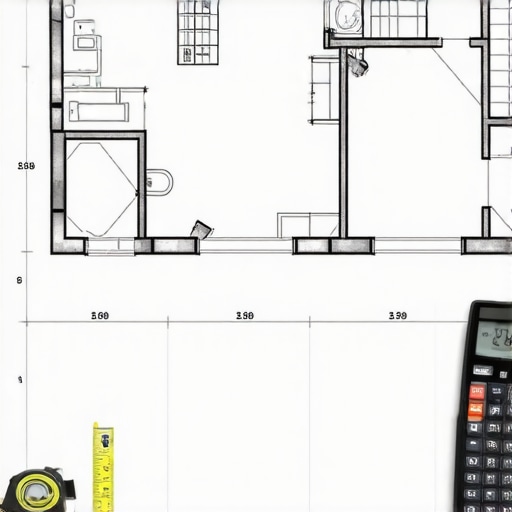
Pick Your Method and Document Everything
You have two choices: the Simplified Method or the Regular Method. The Simplified Method is like a flat-rate shipping box—you get $5 per square foot up to 300 square feet. It’s easy, but often leaves money on the table. The Regular Method requires you to track every utility bill, mortgage interest payment, and repair cost, then multiply it by the percentage of your home used for work. When I switched to the Regular Method, my savings doubled, but so did my paperwork. This is where most people fail because they lose receipts or forget to track the ‘hidden’ costs like home insurance or security systems. High-quality audit support key steps to ensure financial transparency often highlight that a lack of contemporaneous records is why most home office claims get tossed. You should also realize that why your accounting software isnt a substitute for a pro becomes obvious when you’re trying to calculate depreciation on a home office—it is incredibly easy to make a math error that lasts for years. By applying these tax preparation secrets to save money this year, you can ensure that your hybrid setup actually pays you back for the space it occupies.The assumption that the ‘Simplified Method’ is an audit-shield is one of the most dangerous myths in the tax world today. Many taxpayers believe that by choosing the $5-per-square-foot option, they are effectively buying insurance against an IRS inquiry. In reality, the ‘exclusive use’ requirement remains just as rigid. I have seen taxpayers get blindsided during audit support key steps to ensure financial transparency because they could not prove that their ‘simplified’ office was not also a playroom for their children or a storage hub for personal gear. The IRS does not waive the rules just because you took the easier math; they simply change what they are looking for during an investigation. 
The Silent Tax Trap Waiting in Your Home Equity
Here is the ‘oops’ factor that catches almost everyone off guard: depreciation recapture. If you use the Regular Method to claim your home office, you are essentially telling the government that a portion of your residence is a business asset. When you eventually sell your house, you might be hit with a significant tax bill on the gain attributed to that office space. This is where how to handle capital gains on business property sales becomes a critical piece of your long-term financial strategy. If you do not account for this recapture now, you are not just saving money; you are deferring a debt that will come due with interest when you close on your home sale.
Can You Claim Two Separate Offices if You Move Mid-Year?
This is a sophisticated question I get from high-level freelancers and hybrid consultants all the time. The answer is yes, but it is a documentation nightmare that requires surgical precision. You must prorate the expenses for both locations based on the exact dates of occupancy, ensuring there is no overlap and that both spaces met the strict ‘principal place of business’ criteria. This is exactly where the messy truth about diy tax filing for small s-corps comes into play. Most DIY software programs struggle with mid-year transitions, often leading to ‘phantom profits’ or double-counted expenses that trigger red flags. According to a report by the National Association of Tax Professionals, nearly 60% of home-based business audits stem from incorrect pro-rata calculations during life transitions like moving or changing jobs.
Why Your Bargain CPA Might Be Your Biggest Expense
I have often seen people try to save a few hundred bucks by hiring the cheapest preparer they can find, but why choosing the cheapest cpa usually costs the most later becomes painfully clear when that professional disappears the moment an IRS letter arrives. True CPA services demystified involves more than just data entry; it is about having a partner who understands the nuance of your specific employment status. To protect yourself, you need audit support strategies every business needs in 2025 that include comprehensive floor plans and utility logs. Have you ever fallen into this trap or felt the sting of a move on your tax return? Let me know in the comments. Relying on basic tools is risky because why your accounting software isnt a substitute for a pro is rarely about the math—it is about the interpretation of the law. If you are serious about your deductions, you need to look beyond the spreadsheet.Moving from the theory of deductions to the actual day-to-day grind is where most people lose their edge. I stopped using a shoebox for receipts years ago because I realized that a disorganized paper trail is an open invitation for an auditor to dismantle your life. You have to treat your home office like a professional entity that requires active management. The math is often the easy part; the maintenance is where people drown. To stay afloat, I recommend a ‘monthly closing’ approach where you reconcile your space usage just as strictly as you would your bank account. If you are scaling a business or a side hustle, why your business needs a monthly closing process becomes evident the moment you try to remember a specific expense from nine months ago. I personally use a dedicated OCR scanning tool to digitize every utility bill and repair invoice immediately. This isn’t just about being neat; it’s about building a digital fortress. According to Treasury Regulation Section 1.280A-2, the ‘principal place of business’ criteria are incredibly specific regarding administrative and management activities. If you aren’t documenting those activities in real-time, you are essentially gambling with your return.
How do I maintain my tax-ready status over the long haul?
The secret is consistency over intensity. I set a recurring calendar alert for the last Sunday of every month to take a quick photo of my office setup. This ‘photo audit’ provides timestamped proof that the space remains dedicated exclusively to work, which is a powerful piece of evidence if you ever need audit support strategies every business needs in 2025. You should also integrate your tracking with your broader financial workflow. While digital tools are great, why your accounting software isnt a substitute for a pro is usually proven when a software update accidentally miscategorizes a major equipment purchase as a minor supply.  I predict that within the next few years, we will see the IRS increase its focus on ‘nexus’ for hybrid workers—meaning they will look closer at which state you are physically in when you earn your money. To stay ahead, start using a GPS-based mileage and location tracker now. This will help you navigate the finance authoritys guide to staying ahead of tax changes in 2025 as state laws become even more complex. Beyond just the office, make sure you use the simple way to track meals and entertainment expenses to ensure your total business picture is accurate. My best advice? Take one afternoon this week to create a digital folder labeled ‘Tax Defense’ and move all your 2024 home-related PDFs into it today. It takes twenty minutes now but saves twenty hours of panic later.I sat there in 2021, staring at a laptop propped up on a stack of cookbooks, convinced I was about to save thousands. I’d just started a hybrid gig—three days in the downtown office, two days in my sanctuary (which was actually just a corner of my dining room). When tax season rolled around, I confidently claimed a massive home office deduction. Six months later, I got a letter from the IRS that made my stomach drop. I had completely misunderstood the exclusive use rule. It was a stressful, expensive mistake that taught me a hard lesson: the rules for the modern hybrid workforce are a lot stingier than the internet headlines lead you to believe. If you’re currently toggling between a corporate desk and a home setup, you’re likely sitting on a ticking tax time bomb—or worse, leaving money on the table because you’re too scared to claim what’s rightfully yours. Today, I’m going to cut through the noise and show you exactly how to navigate these murky waters without ending up on the wrong side of an audit. [image-placeholder-1]
Why Your Hybrid Workspace Might Not Be the Tax Break You Think
The biggest trap I fell into was assuming that working from home automatically equaled a deduction. Here is the cold, hard truth: if you are a W-2 employee working for a company, the federal home office deduction essentially vanished with the Tax Cuts and Jobs Act of 2017. Many people still don’t realize this. According to the IRS, the deduction is now primarily reserved for the self-employed or those with specific side hustles. I spent weeks uncovering the truth about home office deductions for remote workers only to find out my dining table didn’t qualify because I also ate dinner there. For a deduction to stick, that space must be used exclusive-ly for business. If your kid does their homework at your desk, or you use that room as a guest bedroom on weekends, you’ve technically disqualified yourself. It feels unfair, right? Especially when you’re paying for high-speed internet and extra electricity to keep the lights on for your employer.
Is This Tax Break Actually Worth the IRS Scrutiny?
You might be wondering if the juice is worth the squeeze. For some, it absolutely is—especially if you’ve transitioned into a 1099 contractor role or started a side business while working your hybrid job. I’ve seen CPA services demystified for friends who realized they could save thousands just by rearranging their furniture to create a dedicated office. But the fear of an audit is real. Have you ever hesitated to claim a deduction because you were worried about red flags? It’s a common anxiety. However, if you follow tax prep tips for freelancers and gig workers in 2025, you can document your way to safety. The key isn’t just having the space; it’s having the proof. My mistake was a lack of documentation and a total misunderstanding of my employment status. We’re going to make sure you don’t repeat those blunders.
How to Claim Your Space Without Triggering an IRS Alarm
To get this right, you have to treat your home office like a sovereign nation within your house. It needs its own borders, its own rules, and most importantly, its own documentation. I learned the hard way that the IRS doesn’t take ‘close enough’ for an answer. If you are serious about protecting your income, you need to move from guessing to executing a clear strategy. This isn’t just about filling out a form; it’s about building a defensive wall around your finances.
Find Out If You Actually Qualify First
The first hurdle is your employment status. If you are strictly a W-2 employee, federal law currently blocks you from this deduction. However, if you have a side hustle, freelance on the weekends, or operate as a 1099 contractor, you are back in the game. I once tried to blend my corporate job expenses with a small consulting project I was doing on the side. It was a mess until I realized I could only deduct the portion of the home used for that specific 1099 work. If you find yourself in this boat, understanding the strategy for reducing self-employment tax legally is your first step toward real savings. Don’t waste time measuring rooms if your employment status already disqualifies you.
Draw a Physical Line in the Sand
The ‘exclusive use’ rule is the hill many taxpayers die on. It means that the space must be used only for business. Think of it like a pizza: if your office is one slice of your home’s total square footage, that slice cannot have any ‘toppings’ from your personal life—no exercise bikes, no guest beds, and no gaming consoles. I remember once measuring my guest room with a yellow tape measure, trying to subtract the area where my old treadmill sat in the corner. I eventually realized that even that single piece of equipment made the whole room ‘non-exclusive’ in the eyes of an auditor. To be safe, I eventually moved my desk into a large walk-in closet. It was cramped, but because nothing else happened in that closet but work, it was 100% defensible. To stay on the right side of the law, you must stop using estimates for your quarterly tax planning strategies and get precise with your floor plan.
Pick Your Method and Document Everything
You have two choices: the Simplified Method or the Regular Method. The Simplified Method is like a flat-rate shipping box—you get $5 per square foot up to 300 square feet. It’s easy, but often leaves money on the table. The Regular Method requires you to track every utility bill, mortgage interest payment, and repair cost, then multiply it by the percentage of your home used for work. When I switched to the Regular Method, my savings doubled, but so did my paperwork. This is where most people fail because they lose receipts or forget to track the ‘hidden’ costs like home insurance or security systems. High-quality audit support key steps to ensure financial transparency often highlight that a lack of contemporaneous records is why most home office claims get tossed. You should also realize that why your accounting software isnt a substitute for a pro becomes obvious when you’re trying to calculate depreciation on a home office—it is incredibly easy to make a math error that lasts for years. By applying these tax preparation secrets to save money this year, you can ensure that your hybrid setup actually pays you back for the space it occupies.The assumption that the ‘Simplified Method’ is an audit-shield is one of the most dangerous myths in the tax world today. Many taxpayers believe that by choosing the $5-per-square-foot option, they are effectively buying insurance against an IRS inquiry. In reality, the ‘exclusive use’ requirement remains just as rigid. I have seen taxpayers get blindsided during audit support key steps to ensure financial transparency because they could not prove that their ‘simplified’ office was not also a playroom for their children or a storage hub for personal gear. The IRS does not waive the rules just because you took the easier math; they simply change what they are looking for during an investigation.
The Silent Tax Trap Waiting in Your Home Equity
Here is the ‘oops’ factor that catches almost everyone off guard: depreciation recapture. If you use the Regular Method to claim your home office, you are essentially telling the government that a portion of your residence is a business asset. When you eventually sell your house, you might be hit with a significant tax bill on the gain attributed to that office space. This is where how to handle capital gains on business property sales becomes a critical piece of your long-term financial strategy. If you do not account for this recapture now, you are not just saving money; you are deferring a debt that will come due with interest when you close on your home sale.
Can You Claim Two Separate Offices if You Move Mid-Year?
This is a sophisticated question I get from high-level freelancers and hybrid consultants all the time. The answer is yes, but it is a documentation nightmare that requires surgical precision. You must prorate the expenses for both locations based on the exact dates of occupancy, ensuring there is no overlap and that both spaces met the strict ‘principal place of business’ criteria. This is exactly where the messy truth about diy tax filing for small s-corps comes into play. Most DIY software programs struggle with mid-year transitions, often leading to ‘phantom profits’ or double-counted expenses that trigger red flags. According to a report by the National Association of Tax Professionals, nearly 60% of home-based business audits stem from incorrect pro-rata calculations during life transitions like moving or changing jobs.
Why Your Bargain CPA Might Be Your Biggest Expense
I have often seen people try to save a few hundred bucks by hiring the cheapest preparer they can find, but why choosing the cheapest cpa usually costs the most later becomes painfully clear when that professional disappears the moment an IRS letter arrives. True CPA services demystified involves more than just data entry; it is about having a partner who understands the nuance of your specific employment status. To protect yourself, you need audit support strategies every business needs in 2025 that include comprehensive floor plans and utility logs. Have you ever fallen into this trap or felt the sting of a move on your tax return? Let me know in the comments. Relying on basic tools is risky because why your accounting software isnt a substitute for a pro is rarely about the math—it is about the interpretation of the law. If you are serious about your deductions, you need to look beyond the spreadsheet.Moving from the theory of deductions to the actual day-to-day grind is where most people lose their edge. I stopped using a shoebox for receipts years ago because I realized that a disorganized paper trail is an open invitation for an auditor to dismantle your life. You have to treat your home office like a professional entity that requires active management. The math is often the easy part; the maintenance is where people drown. To stay afloat, I recommend a ‘monthly closing’ approach where you reconcile your space usage just as strictly as you would your bank account. If you are scaling a business or a side hustle, why your business needs a monthly closing process becomes evident the moment you try to remember a specific expense from nine months ago. I personally use a dedicated OCR scanning tool to digitize every utility bill and repair invoice immediately. This isn’t just about being neat; it’s about building a digital fortress. According to Treasury Regulation Section 1.280A-2, the ‘principal place of business’ criteria are incredibly specific regarding administrative and management activities. If you aren’t documenting those activities in real-time, you are essentially gambling with your return.
How do I maintain my tax-ready status over the long haul?
The secret is consistency over intensity. I set a recurring calendar alert for the last Sunday of every month to take a quick photo of my office setup. This ‘photo audit’ provides timestamped proof that the space remains dedicated exclusively to work, which is a powerful piece of evidence if you ever need audit support strategies every business needs in 2025. You should also integrate your tracking with your broader financial workflow. While digital tools are great, why your accounting software isnt a substitute for a pro is usually proven when a software update accidentally miscategorizes a major equipment purchase as a minor supply. I predict that within the next few years, we will see the IRS increase its focus on ‘nexus’ for hybrid workers—meaning they will look closer at which state you are physically in when you earn your money. To stay ahead, start using a GPS-based mileage and location tracker now. This will help you navigate the finance authoritys guide to staying ahead of tax changes in 2025 as state laws become even more complex. Beyond just the office, make sure you use the simple way to track meals and entertainment expenses to ensure your total business picture is accurate. My best advice? Take one afternoon this week to create a digital folder labeled ‘Tax Defense’ and move all your 2024 home-related PDFs into it today. It takes twenty minutes now but saves twenty hours of panic later.
The Hard Truths About Claiming Your Space That I Learned the Hard Way
Reflecting on my own audit scare, I realized that many taxpayers treat tax law like a suggestion rather than a strict boundary. Here is what actually keeps you safe and sane during tax season:
- The Guest Bed test is binary: If there is even a sliver of personal utility in that room, the IRS views it as personal space. I eventually removed everything but my desk and a filing cabinet to ensure my claims were bulletproof.
- Employment status is the ultimate gatekeeper: No amount of documentation will save a W-2 employee from the current federal ban on this deduction. If you are a hybrid worker with a 1099 side hustle, you must keep those two worlds mathematically isolated.
- Habit beats intensity every time: Waiting until April to find your utility bills is a recipe for errors. Practicing tax preparation secrets to save money this year usually starts with a simple habit of digital filing every single month.
My Essential Toolkit for Defensible Deductions
I don’t trust my memory when it comes to the IRS, and neither should you. Here are the specific resources I trust to maintain a professional audit trail:
- IRS Publication 587: This is the ultimate source of truth for business use of your home. I keep a bookmarked PDF for quick reference on specific utility percentages.
- Mobile OCR Scanning Tools: Digitizing receipts immediately is a key part of audit support strategies every business needs in 2025. Never leave a paper trail to fade in a shoebox.
- Professional Insight: Moving beyond DIY software is critical because why choosing the cheapest cpa usually costs the most later is often proven during an inquiry where you need an advocate who knows your floor plan as well as you do.
Your Home Office Should Work as Hard as You Do
Claiming a home office deduction can feel like you’re inviting the IRS into your living room, but if you have a legitimate, exclusive workspace, you are entitled to those savings. Don’t let fear leave money on the table. By staying proactive and following the finance authoritys guide to staying ahead of tax changes in 2025, you can build a financial fortress that protects your hard-earned income. You’ve put in the work to make the hybrid model successful; now make sure your taxes reflect that effort. Have you ever hesitated to claim a deduction because you weren’t sure about the exclusive use rule? Let me know in the comments below.