
Why You Need a Separate Bank Account for Sales Tax Collections

I’ll never forget the cold sweat I broke into back in 2018 when I realized I’d spent money that didn’t belong to me. My main business account looked flush—nearly twenty grand—and I’d just authorized a big inventory restock. It wasn’t until my bookkeeper pointed out that seven thousand of that was actually sales tax I’d collected for the state that the panic set in. I was playing a dangerous game of ‘borrowing’ from the government without even knowing it. This is why you need a separate bank account for sales tax collections. If you don’t keep those funds physically apart, you’re looking at a financial mirage every time you check your balance. Today, I’m going to show you how to stop that guessing game and protect your cash flow from the inevitable tax bite. [image_placeholder_1]
That Five-Figure Balance Was a Lie
When you see money hit your account after a sale, it’s easy to feel a rush of success. But that money is a mix of your revenue and the government’s cut. Early on, I made the costly mistake of mixing everything into one pot, thinking I could just ‘calculate’ it later. Spoiler alert: I couldn’t. It’s one of those reasons your cash flow doesn’t match your bank balance, and it’s a recipe for an accidental audit. According to a report by the Tax Foundation, there are over 11,000 different sales tax jurisdictions in the U.S., making compliance a nightmare if you aren’t organized. Have you ever looked at your bank balance and realized half of it was already spoken for? It’s a gut-wrenching feeling that can lead to a desperate scramble when filing deadlines arrive.
Is opening a second account really worth the extra admin work?
I get it. You’re busy running a business, and the idea of managing another login sounds like a chore. But trust me, the peace of mind is worth every second. When I finally separated my funds, my CPA services became much more effective because we weren’t constantly untangling what belonged to me and what belonged to the state. It also serves as a simple checklist for surviving a sales tax inquiry because you can prove exactly where that money is sitting at all times. If you’re ready to stop playing tax-man roulette, moving those funds to a dedicated ‘holding’ account is the first step toward real financial transparency. Now, let’s talk about the logistics of making this switch without losing your mind.
Pick a Transfer Schedule That Actually Sticks
Moving your sales tax funds isn’t a task you can leave for ‘when things slow down.’ If you wait until the end of the month, that money has already been mentally spent on a new marketing campaign or a piece of equipment. I learned this the hard way in my second year. I thought doing a monthly sweep was enough, but after a massive holiday rush, I saw a fifty-thousand-dollar balance and felt like a king. I bought a high-end server we didn’t strictly need, only to realize two weeks later that six thousand of those dollars were actually owed to the state. I had to dip into my personal savings just to cover the shortfall. Now, I advocate for a weekly transfer. Every Friday morning, before I grab my second coffee, I look at the sales tax collected and move it immediately. It’s like a digital dam that keeps your operating cash from flooding with money that isn’t yours. Use this time to how to reconcile your bank accounts without the headache so you know the numbers are accurate before the transfer happens.
Let Your Software Do the Heavy Lifting Instead
You don’t need to be a math whiz to calculate these transfers. Most modern point-of-sale systems and accounting software can generate a ‘Sales Tax Liability’ report with two clicks. Think of your accounting software as a sophisticated filter—it catches the tax sediment while letting the pure revenue flow into your main account. However, don’t fall into the trap of total reliance. Even the best systems glitch. This is why automated payroll apps still require a professional human review, and the same logic applies to your sales tax. A quick five-minute manual check once a month ensures that your software isn’t miscalculating a specific jurisdiction or failing to sync. If you notice a discrepancy, address it now. Waiting until the filing deadline to fix a sync error is one of the biggest tax preparation secrets to save money this year—avoiding the late fees and penalties that stem from poor data.
Keep the Tax Man at Arm’s Length
When you keep your sales tax in a separate account, you are effectively creating an ‘audit-proof’ barrier. If an auditor ever questions your compliance, you can point to a dedicated account that shows a clear history of set-aside funds. This level of organization is the gold standard for audit support strategies every business needs in 2025. It demonstrates intent and diligence, which can go a long way if there’s ever a gray area in your filings. It also prevents the ‘emergency’ scramble that often leads to the step-by-step fix for late payroll filings because your cash flow is always liquid and ready. When the state comes knocking for their cut, you aren’t searching for the money; you’re simply hitting ‘send’ from a bucket that’s already full.
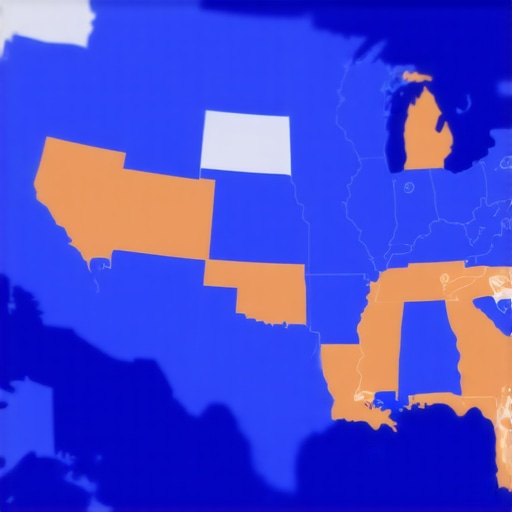
People often tell me, ‘I use a top-tier accounting app, so my sales tax is handled.’ This is the single most dangerous assumption a small business owner can make. Software is a tool, not a strategist, and in many cases, it creates a false sense of security. In my experience, relying solely on a dashboard is exactly why your accounting softwares automatic sync is often wrong. It doesn’t account for the subtle shifts in ‘Nexus’—the legal connection between your business and a state that mandates tax collection. Since the landmark 2018 Supreme Court ruling in South Dakota v. Wayfair, Inc., the rules have shifted from physical presence to economic presence. This means that even if you don’t have an office in a state, you might still be legally required to collect and remit tax there once you hit a certain revenue threshold.
Are You Accidentally Collecting Tax for a State You’ve Never Visited?
This is where the ‘oops’ factor gets incredibly expensive for growing businesses. Most founders assume that if they aren’t shipping a physical product from a warehouse in, say, Georgia, they don’t have to worry about Georgia’s tax laws. But if your sales to customers in that state hit a specific dollar amount or transaction count, you are on the hook. This is one of the 3 signs your company needs a sales tax nexus study immediately. If you have been blindly collecting and ‘separating’ funds without knowing exactly which states actually want a piece of that pie, you are essentially building a financial tower on sand. You might be setting aside 6%, but the state requires 8.5%, leaving you with a massive deficit you didn’t see coming.
The same logic applies to your remote workforce. I have seen countless entrepreneurs manage remote teams across several states and assume their payroll platform is filing perfectly in every jurisdiction. It is often a nightmare waiting to happen. This is why your payroll provider isnt handling your local compliance correctly. You need a bird’s eye view that audit support strategies every business needs in 2025 provides—a proactive, human-led check to ensure the money you are diligently setting aside is going to the right place. Just because the money is in a separate account doesn’t mean your liability is solved; it just means you’ve successfully hoarded the cash until someone asks for it.
One more common trap is the ‘Year-End Scramble.’ Many business owners wait until tax season to look at their ledger with a critical eye, but the real difference between tax filing and strategic tax planning is what actually prevents the panic I felt back in 2018. If you aren’t forecasting and reviewing your allocations monthly, you aren’t truly managing your business; you are just reacting to it. Have you ever fallen into the trap of trusting your software’s ‘autopilot’ only to find out you were missing a huge tax requirement? Let me know in the comments.
Once you’ve accepted that you can’t do this manually, you need to choose tools that don’t create more work than they solve. I personally moved my operations to a bank that allows for sub-accounts with automated rules. This is why your e-commerce store needs specialized accounting tech—it’s not just about the software, but how your bank talks to your ledger. I use a combination of automated tax engines for the heavy lifting of state-by-state calculations and a dedicated ‘Tax Savings’ bucket in my bank. This setup ensures that the money is never even available for me to accidentally spend on inventory or payroll. Speaking of which, streamlining payroll processes for tech-driven businesses often involves the same mindset: automate the transfer of liabilities so you never have to scramble. If you’re still using a spreadsheet to track what you owe, you’re essentially inviting a disaster.
How do I maintain my tax accounts over time?
Maintenance is where most people fall off the wagon. You can’t just set it and forget it because tax laws are alive and constantly evolving. Every quarter, I sit down for a ‘Compliance Audit’ with my team. We look at our audit support key steps to ensure financial transparency and cross-reference our bank transfers with our actual filings. This is crucial because, as noted in the California Department of Tax and Fee Administration (CDTFA) Publication 77, out-of-state sellers must constantly monitor their ‘economic nexus’ thresholds, which can vary wildly by year. If you don’t have how CPA services can transform small business accounting as part of your monthly routine, you’re going to miss these shifts. I recommend setting a recurring calendar invite for the 15th of every month to how to predict your tax bill before the fiscal year ends. It’s a twenty-minute habit that saves you a six-figure headache later. 
Why the Compliance Landscape Is Shifting Toward Real-Time Reporting
The days of ‘filing once a year’ are dying. States are getting aggressive, and they want their money faster. We are seeing a massive trend toward real-time tax reporting, where the government might eventually have a direct API into your sales data. This might sound like Big Brother, but it actually takes the liability off your plate. Until that becomes the standard, mastering payroll compliance expert tips for 2025 success means being proactive rather than reactive. If your current software feels clunky, it’s likely because it’s built on old architecture. This is often the simple fix for QuickBooks syncing errors that mess up your ledger: upgrading your integrations so they actually reflect your bank balance in real-time. My advice? Go into your bank settings right now and set up an automated transfer of exactly 8% (or your average tax rate) of your weekly revenue into a protected account. Don’t wait for the software to be perfect—just move the cash.
I’ll never forget the cold sweat I broke into back in 2018 when I realized I’d spent money that didn’t belong to me. My main business account looked flush—nearly twenty grand—and I’d just authorized a big inventory restock. It wasn’t until my bookkeeper pointed out that seven thousand of that was actually sales tax I’d collected for the state that the panic set in. I was playing a dangerous game of ‘borrowing’ from the government without even knowing it. This is why you need a separate bank account for sales tax collections. If you don’t keep those funds physically apart, you’re looking at a financial mirage every time you check your balance. Today, I’m going to show you how to stop that guessing game and protect your cash flow from the inevitable tax bite. [image_placeholder_1]
That Five-Figure Balance Was a Lie
When you see money hit your account after a sale, it’s easy to feel a rush of success. But that money is a mix of your revenue and the government’s cut. Early on, I made the costly mistake of mixing everything into one pot, thinking I could just ‘calculate’ it later. Spoiler alert: I couldn’t. It’s one of those reasons your cash flow doesn’t match your bank balance, and it’s a recipe for an accidental audit. According to a report by the Tax Foundation, there are over 11,000 different sales tax jurisdictions in the U.S., making compliance a nightmare if you aren’t organized. Have you ever looked at your bank balance and realized half of it was already spoken for? It’s a gut-wrenching feeling that can lead to a desperate scramble when filing deadlines arrive.
Is opening a second account really worth the extra admin work?
I get it. You’re busy running a business, and the idea of managing another login sounds like a chore. But trust me, the peace of mind is worth every second. When I finally separated my funds, my CPA services became much more effective because we weren’t constantly untangling what belonged to me and what belonged to the state. It also serves as a simple checklist for surviving a sales tax inquiry because you can prove exactly where that money is sitting at all times. If you’re ready to stop playing tax-man roulette, moving those funds to a dedicated ‘holding’ account is the first step toward real financial transparency. Now, let’s talk about the logistics of making this switch without losing your mind.
Pick a Transfer Schedule That Actually Sticks
Moving your sales tax funds isn’t a task you can leave for ‘when things slow down.’ If you wait until the end of the month, that money has already been mentally spent on a new marketing campaign or a piece of equipment. I learned this the hard way in my second year. I thought doing a monthly sweep was enough, but after a massive holiday rush, I saw a fifty-thousand-dollar balance and felt like a king. I bought a high-end server we didn’t strictly need, only to realize two weeks later that six thousand of those dollars were actually owed to the state. I had to dip into my personal savings just to cover the shortfall. Now, I advocate for a weekly transfer. Every Friday morning, before I grab my second coffee, I look at the sales tax collected and move it immediately. It’s like a digital dam that keeps your operating cash from flooding with money that isn’t yours. Use this time to how to reconcile your bank accounts without the headache so you know the numbers are accurate before the transfer happens.
Let Your Software Do the Heavy Lifting Instead
You don’t need to be a math whiz to calculate these transfers. Most modern point-of-sale systems and accounting software can generate a ‘Sales Tax Liability’ report with two clicks. Think of your accounting software as a sophisticated filter—it catches the tax sediment while letting the pure revenue flow into your main account. However, don’t fall into the trap of total reliance. Even the best systems glitch. This is why automated payroll apps still require a professional human review, and the same logic applies to your sales tax. A quick five-minute manual check once a month ensures that your software isn’t miscalculating a specific jurisdiction or failing to sync. If you notice a discrepancy, address it now. Waiting until the filing deadline to fix a sync error is one of the biggest tax preparation secrets to save money this year—avoiding the late fees and penalties that stem from poor data.
Keep the Tax Man at Arm’s Length
When you keep your sales tax in a separate account, you are effectively creating an ‘audit-proof’ barrier. If an auditor ever questions your compliance, you can point to a dedicated account that shows a clear history of set-aside funds. This level of organization is the gold standard for audit support strategies every business needs in 2025. It demonstrates intent and diligence, which can go a long way if there’s ever a gray area in your filings. It also prevents the ‘emergency’ scramble that often leads to the step-by-step fix for late payroll filings because your cash flow is always liquid and ready. When the state comes knocking for their cut, you aren’t searching for the money; you’re simply hitting ‘send’ from a bucket that’s already full.
People often tell me, ‘I use a top-tier accounting app, so my sales tax is handled.’ This is the single most dangerous assumption a small business owner can make. Software is a tool, not a strategist, and in many cases, it creates a false sense of security. In my experience, relying solely on a dashboard is exactly why your accounting softwares automatic sync is often wrong. It doesn’t account for the subtle shifts in ‘Nexus’—the legal connection between your business and a state that mandates tax collection. Since the landmark 2018 Supreme Court ruling in South Dakota v. Wayfair, Inc., the rules have shifted from physical presence to economic presence. This means that even if you don’t have an office in a state, you might still be legally required to collect and remit tax there once you hit a certain revenue threshold.
Are You Accidentally Collecting Tax for a State You’ve Never Visited?
This is where the ‘oops’ factor gets incredibly expensive for growing businesses. Most founders assume that if they aren’t shipping a physical product from a warehouse in, say, Georgia, they don’t have to worry about Georgia’s tax laws. But if your sales to customers in that state hit a specific dollar amount or transaction count, you are on the hook. This is one of the 3 signs your company needs a sales tax nexus study immediately. If you have been blindly collecting and ‘separating’ funds without knowing exactly which states actually want a piece of that pie, you are essentially building a financial tower on sand. You might be setting aside 6%, but the state requires 8.5%, leaving you with a massive deficit you didn’t see coming.
The same logic applies to your remote workforce. I have seen countless entrepreneurs manage remote teams across several states and assume their payroll platform is filing perfectly in every jurisdiction. It is often a nightmare waiting to happen. This is why your payroll provider isnt handling your local compliance correctly. You need a bird’s eye view that audit support strategies every business needs in 2025 provides—a proactive, human-led check to ensure the money you are diligently setting aside is going to the right place. Just because the money is in a separate account doesn’t mean your liability is solved; it just means you’ve successfully hoarded the cash until someone asks for it.
One more common trap is the ‘Year-End Scramble.’ Many business owners wait until tax season to look at their ledger with a critical eye, but the real difference between tax filing and strategic tax planning is what actually prevents the panic I felt back in 2018. If you aren’t forecasting and reviewing your allocations monthly, you aren’t truly managing your business; you are just reacting to it. Have you ever fallen into the trap of trusting your software’s ‘autopilot’ only to find out you were missing a huge tax requirement? Let me know in the comments.
Once you’ve accepted that you can’t do this manually, you need to choose tools that don’t create more work than they solve. I personally moved my operations to a bank that allows for sub-accounts with automated rules. This is why your e-commerce store needs specialized accounting tech—it’s not just about the software, but how your bank talks to your ledger. I use a combination of automated tax engines for the heavy lifting of state-by-state calculations and a dedicated ‘Tax Savings’ bucket in my bank. This setup ensures that the money is never even available for me to accidentally spend on inventory or payroll. Speaking of which, streamlining payroll processes for tech-driven businesses often involves the same mindset: automate the transfer of liabilities so you never have to scramble. If you’re still using a spreadsheet to track what you owe, you’re essentially inviting a disaster.
How do I maintain my tax accounts over time?
Maintenance is where most people fall off the wagon. You can’t just set it and forget it because tax laws are alive and constantly evolving. Every quarter, I sit down for a ‘Compliance Audit’ with my team. We look at our audit support key steps to ensure financial transparency and cross-reference our bank transfers with our actual filings. This is crucial because, as noted in the California Department of Tax and Fee Administration (CDTFA) Publication 77, out-of-state sellers must constantly monitor their ‘economic nexus’ thresholds, which can vary wildly by year. If you don’t have how CPA services can transform small business accounting as part of your monthly routine, you’re going to miss these shifts. I recommend setting a recurring calendar invite for the 15th of every month to how to predict your tax bill before the fiscal year ends. It’s a twenty-minute habit that saves you a six-figure headache later.
Why the Compliance Landscape Is Shifting Toward Real-Time Reporting
The days of ‘filing once a year’ are dying. States are getting aggressive, and they want their money faster. We are seeing a massive trend toward real-time tax reporting, where the government might eventually have a direct API into your sales data. This might sound like Big Brother, but it actually takes the liability off your plate. Until that becomes the standard, mastering payroll compliance expert tips for 2025 success means being proactive rather than reactive. If your current software feels clunky, it’s likely because it’s built on old architecture. This is often the simple fix for QuickBooks syncing errors that mess up your ledger: upgrading your integrations so they actually reflect your bank balance in real-time. My advice? Go into your bank settings right now and set up an automated transfer of exactly 8% (or your average tax rate) of your weekly revenue into a protected account. Don’t wait for the software to be perfect—just move the cash.
What Software Vendors Wont Mention About Your Tax Liability
After years of navigating these waters, I’ve realized that the most expensive mistake you can make is assuming your software ‘has it covered.’ Software handles math; humans handle judgment. Relying strictly on a dashboard is how I ended up with a seven-thousand-dollar hole in my operating budget. I now know that CPA services demystified the process by adding a layer of professional oversight that no algorithm can replicate. Another lightbulb moment? Realizing that sales tax is technically a ‘trust tax’—it was never yours to begin with. Once I shifted my mindset from being an owner to a custodian of that money, my financial anxiety plummeted. It is about building a discipline that protects your business from the ground up.
My Personal Arsenal for Stress-Free Compliance
To stay ahead, I don’t just rely on one tool. I use a combination of a dedicated tax-holding bank account and a monthly strategy session. I highly recommend looking into the real difference between tax filing and strategic tax planning to understand why this distinction matters. For day-to-day operations, I trust platforms that sync directly with my bank, but I still perform a manual check against my general ledger every thirty days. This habit is one of the most effective ways to spot errors before they become costly penalties or trigger an inquiry. I also keep a folder of state-specific nexus reports to ensure our collection rates are always up to date with current legislation.
Build a Business That Lets You Sleep at Night
Separating your sales tax isn’t just an accounting trick; it’s a foundational pillar of a mature business. It moves you from a place of hoping the numbers work to a place of knowing exactly where you stand. By implementing audit support strategies every business needs in 2025, you are protecting the future of your company and your own mental health. Don’t let a simple tax oversight be the thing that slows your momentum. You’ve worked too hard to build your revenue to let it slip away in an avoidable audit. Have you ever accidentally ‘borrowed’ from your tax bucket to pay an urgent bill? Let me know how you handled it in the comments below.