
Why You Should Never Mix Personal and Business Credit Cards Even for Startups
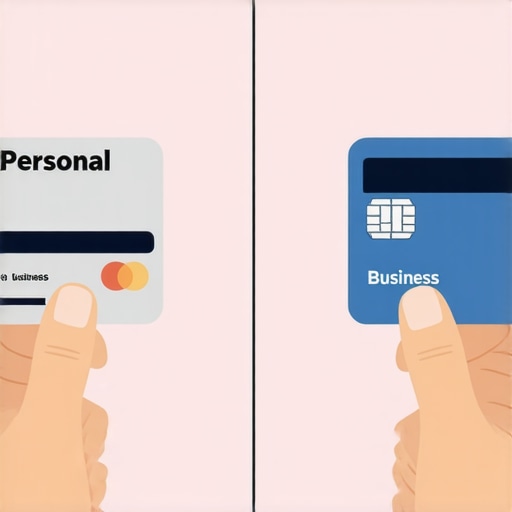
I remember the moment I realized my mistake. It was late at night, sifting through my muddled expenses, when I stumbled upon a confusing mix of personal and business charges on my credit card statement. What seemed like a harmless shortcut early on had turned into a financial headache. That lightbulb moment made me question everything I thought I knew about managing startup finances. Trust me, the temptation to use one card for everything is real, especially when you’re juggling so much. But that simplicity can be a trap that drags your business into chaos and trouble with the IRS.
The Hidden Dangers of Combining Personal and Business Finances
Mixing your personal credit card with your business expenses might seem like a quick fix for cash flow—yet it’s a gamble that often backfires. I’ve seen firsthand how this simple act can distort your financial picture, complicate tax season, and even jeopardize your legal protections. When I first started my journey, I used my personal card for business purchases, thinking it would be easier. But I soon found that I had no clear line separating business debts from personal spending. This blurred line made it difficult to track expenses accurately, and I nearly missed a critical tax deduction because of it.
Research shows that improper expense tracking is a leading cause of small business audits. The IRS is increasingly vigilant about misclassified expenses, and co-mingling funds is a quick red flag. According to a recent study by the U.S. Government Accountability Office, businesses that fail to maintain clear separation of accounts face higher audit risks and potential penalties. You can read more about audit triggers.
Early mistakes—like using a personal card for business—are not just nuisances; they can have serious financial implications. It makes reconciliation tougher, muddles your credit reports, and can even influence your credit score if your business rides on your personal credit. But here’s the good news: avoiding these pitfalls is simpler than you might think.
What We Will Cover Today
In the following sections, I will guide you through the must-know reasons why keeping your finances separate is crucial. Plus, I’ll share practical tips to set up your financial systems correctly from the start, helping you save time, money, and headaches later on.
Have you ever faced a confusing financial situation because of mixing personal and business expenses? Drop a comment below—I’d love to hear your stories and help you navigate through it!
Separate Your Accounts Right Away
Open dedicated business checking and savings accounts, and resist the urge to make personal purchases with your business card. When I first started my consulting firm, I used my personal PayPal account for business transactions. Later, reconciling those payments became a nightmare during tax season. Switching to a dedicated account simplified my bookkeeping instantly, saving hours in review and reducing errors.
Implement Consistent Expense Tracking
Create a system—whether digital or manual—for recording every business expense daily. Use categories to classify costs like office supplies, travel, and income. When I faced an audit last year, my meticulous records helped me quickly produce receipts and invoices, avoiding penalties. Regularly review these records to catch misclassified expenses that could trigger audit flags.
Leverage Accounting Software with Auditor-Friendly Features
Choose accounting tools like QuickBooks or Xero that support audit trails, automated categorization, and easy report generation. These systems act like a GPS for your finances — guiding you around potential pitfalls. I integrated my software with paystub generators and invoice apps, which reduced manual entry mistakes and made my year-end report smoother. Regular reviews of your software-backed data are vital.
Develop a Document Management Process
Scan and organize receipts, contracts, and bank statements into clear digital folders categorized by date or type. This prevents the classic ‘lost receipt’ dilemma come tax time. I adopted cloud storage solutions, making it easy to access documents anytime, anywhere. During tax prep, I could quickly retrieve supporting documents without scrambling for paper copies, which saved me money and stress.
The Power of Scheduled Reconciliation
Set weekly or bi-weekly reconciliation sessions to compare your bank and credit card statements against your internal records. Think of it as a financial health checkup. I scheduled Saturday mornings for this task — it’s a ritual that caught bookkeeping errors early, preventing small mistakes from snowballing into bigger issues like IRS audits. This habit ensures your numbers stay reliable, and you catch fraud or mischarges quickly.
Consult Experts When Necessary
Hire a CPA or a financial advisor to review your bookkeeping periodically. Their trained eye can spot inconsistencies—just like a mechanic spots engine faults before a breakdown. I scheduled quarterly reviews with my CPA, which gave me confidence during tax filings and audits. Additionally, they can advise on optimizing payroll and deductions, which can save you money in the long run. Want to dive deeper into this? Check out professional CPA services.
Stay Updated on Tax and Compliance Changes
Tax laws shift regularly, and staying current helps avoid surprises. Allocate time monthly to review updates from reliable sources or consult with your accountant. I subscribe to newsletters and attend webinars, which keeps my practices compliant and maximizes deductions. This proactive approach also diminishes the risk of penalties and back taxes that can cripple a growing business.
Many entrepreneurs believe that outsourcing their accounting or relying on automated software alone guarantees compliance and accuracy. However, this misconception can lead to serious errors. While tools like QuickBooks or Xero are powerful, they aren’t foolproof; manual oversight remains essential to catch nuanced mistakes that algorithms often miss. For instance, a recent study in the Journal of Financial Compliance highlights that overreliance on automation without human review increases the risk of overlooked anomalies, especially in complex tax situations.
Is Your Business at Risk Because You Overlook Expert Review?
One common trap is assuming that professional CPA services are only necessary during tax season. In reality, consistent collaboration with financial experts helps identify errors early, fine-tune deductions, and prepare better for audits. Many business owners underestimate the importance of proactive audit support, which can save thousands in penalties and fines. Relying solely on software’s audit trail functions might seem sufficient, but experts from audit support specialists emphasize that personalized review is crucial for complex financial landscapes. Additionally, there’s a widespread myth that managing payroll is straightforward with digital platforms. Yet, payroll compliance involves nuanced regulations that vary across jurisdictions. Skipping regular oversight or neglecting to stay updated on legislation can lead to costly penalties. For example, recent IRS data shows that small businesses neglect multi-state payroll regulations at their peril, resulting in penalties averaging over $15,000 per infraction. Ensuring accurate payroll processing requires more than just an online calculator; it demands continuous education and periodic audits, like those discussed in payroll compliance guides. The bottom line? Automating and outsourcing are valuable strategies, but they must be complemented with expert oversight and continual education. Neglecting this balance risks inaccuracies, audits, and financial penalties that could undermine your business growth. Are you still trusting automated systems or cutting corners? Let me know in the comments!
How Do I Keep My Financial Systems Running Smoothly Over Time?
Staying ahead in business finance requires not just setting up good systems but also maintaining and optimizing them consistently. I personally rely on a few key tools that streamline my financial management and help me stay compliant, accurate, and efficient.
Choosing the Right Accounting Software
For my business, I use QuickBooks Online because of its robust audit trail features and ease of automation. It automatically categorizes transactions, links to my bank accounts, and generates essential reports with minimal manual input. Moreover, its integration with third-party apps, like expense trackers and time tracking tools, creates a seamless workflow, reducing errors and saving hours during tax prep season.
Implementing Scalable Payroll Solutions
When it comes to payroll, I recommend Gusto for its intuitive interface and compliance support. It automatically updates tax tables, generates filings, and even offers employee benefits management. For companies planning to grow, choosing scalable tools like Gusto ensures your payroll system adapts effortlessly to new hires and payroll complexities.
Establishing a Document Management System
To prevent lost receipts and messy files, I use Dropbox combined with dedicated cloud folders categorized by expense type and date. This setup makes it easy to retrieve supporting documents during audits or tax filings. Regularly backing up files ensures long-term security and prevents data loss.
Regular Reconciliation and Oversight
Scheduling weekly reviews with a combination of bank statement comparisons and software reports keeps my books accurate. I focus on identifying mismatches early, preventing small errors from snowballing into costly issues or audit triggers. For guidance on maintaining audit readiness, check out audit support strategies.
Predicted Trends and Future Focus
Looking ahead, I predict an increasing shift towards integrated financial dashboards powered by AI that offer real-time insights. Staying adaptable with your tools by exploring emerging solutions, such as AI-driven analytics, will be crucial. Regularly reviewing your software configurations against latest compliance standards—like those outlined in staying ahead of tax changes—can keep your business compliant and competitive.
What specific steps will you take to upgrade your tools this year?
Choose one area—be it payroll, expense tracking, or document management—and implement an advanced system or feature I’ve mentioned. Remember, maintaining financial health is an ongoing process, and the right tools make all the difference. For expert advice tailored to your business needs, consider reaching out through our contact page.

Insider Revelations: The Lessons I Wish I Knew Sooner
- Balancing the books is a continuous journey—initial neglect can lead to mounting stress versus proactive management.
- Automated tools are helpful, but trusting them blindly increases the risk of overlooking errors; human oversight remains essential.
- Regularly consulting with a CPA or financial expert early in your startup’s growth saves money and mitigates potential audits.
- Simple habits like weekly reconciliations can catch discrepancies before they escalate into costly compliance issues.
- Clear documentation isn’t just for audits—it’s the backbone of trustworthy financial reporting that empowers smarter decisions.
Tools and Resources That Keep My Finances on Track
- QuickBooks Online: Its seamless integration and robust audit trails make it my top choice for accurate bookkeeping.
- Gusto: Scalable payroll that automatically updates with changing regulations—crucial for growing businesses.
- Dropbox: Organized cloud storage for all receipts and documents, ensuring resilience and easy access come tax time.
- My CPA: Regular check-ins afford expert insights that software alone can’t provide—think of it as your financial health check-up.
Your Path Forward: Embrace Your Financial Mastery
Building and maintaining sound financial systems is a continuous adventure—each step empowering your business and peace of mind. Remember, the most successful entrepreneurs aren’t just good at what they do; they’re also diligent about their financial health. Keep learning, implementing, and refining your approach with a proactive mindset about financeauthoritys, tax preparation, audit support, CPA services, and payroll. What’s one financial habit you plan to improve this year? Share below—I’d love to hear your plans and help you stay on track!