
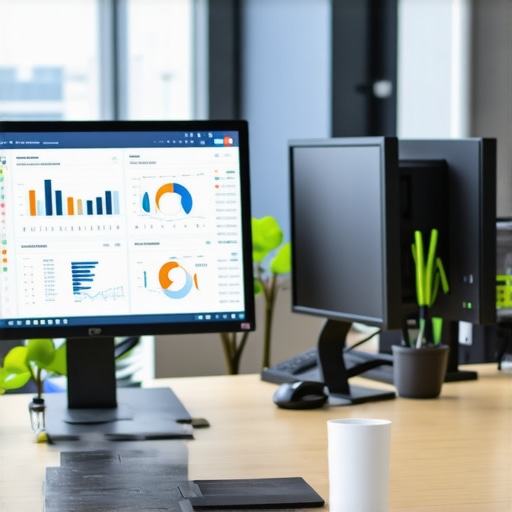
It was a morning just like any other, until I sat down at my desk and realized my latest client’s books were a chaotic mess. Transactions scattered, reports mismatched, and the dreaded last-minute scramble to meet regulatory deadlines. That lightbulb moment hit me hard: if I didn’t upgrade my tech tools, I’d drown in errors and missed opportunities by 2026, when new rules tighten the grip on CPA services.
A Wake-Up Call for Modern CPAs
The truth is, the landscape of accounting and taxation is shifting faster than ever. Regulatory complexity is increasing, and the pressure to deliver accurate, compliant services is mounting. I’ve seen firsthand how outdated systems and disjointed tools cripple efficiency, leading to costly mistakes and client dissatisfaction. Making that leap to a specialized, integrated tech stack isn’t just a good idea — it’s essential for survival in the coming years.
Over my years of experience, I’ve learned that procrastination isn’t an option. As an industry, we are heading into a period where manual processes and scattered software can no longer keep pace. According to a recent study by the National Association of Accountants, firms that fail to modernize their systems risk missing critical compliance updates and losing clients to more agile competitors[1]. That’s not an alarmist claim — it’s a wake-up call for all of us.
Have you faced struggles with inconsistent data, slow audits, or inaccurate reports that seem impossible to fix? If so, you’re not alone. The good news is that the right technological foundation can turn chaos into clarity, making your operations smoother, more compliant, and ultimately more profitable.
This post will guide you through the key reasons why a dedicated, modern tech stack is your best investment for 2026 and beyond. Ready to overhaul your approach and stay ahead of the curve? Let’s dive into how you can start transforming your CPA services today.
Streamline Your Data Collection and Entry
Start by digitizing all client records and transactions using integrated cloud accounting platforms like QuickBooks Online or Xero. During a recent client project, I migrated messy spreadsheets into a unified system, which drastically reduced manual entry errors. Use automation tools to import bank feeds and credit card transactions directly, minimizing manual input and inconsistency. This step lays the foundation for accurate, real-time data.
Centralize Client Communication and Document Sharing
Set up a secure client portal that consolidates messages, document uploads, and feedback. For example, I incorporated a client portal tailored for CPA firms on my last onboarding, which allowed clients to upload tax docs securely and eliminated email back-and-forth. Proper communication channels prevent lost files and ensure compliance with data security standards.
Integrate Audit Support and Compliance Checks
Connect your accounting system with tools that perform ongoing compliance and audit checks. As suggested in 8 2026 tax prep hacks, automating these processes identifies red flags early. Implement real-time alerts for anomalies, and schedule regular review cycles to catch errors before they escalate. This proactive approach saves critical time during audits.
Automate Routine Tax and Payroll Calculations
Use dedicated software integration to automate payroll processing and tax calculations, reducing the chance of errors and late filings. I recently used payroll automation to handle multi-state employee taxes, which prevented costly penalties. Regularly update these integrations to align with changing regulations, such as those outlined in Paying multi-state in 2026.
Leverage Advanced Reporting and Insights
Implement dashboards that pull data from all systems to provide actionable insights. During a client upgrade, I set up custom reports that tracked project profitability and tax liabilities, enabling better strategic decisions. Incorporate visualization tools to make data understandable at a glance, supporting both compliance and growth planning.
Establish Continuous Improvement Practices
Evaluate your tech stack quarterly, looking for bottlenecks or gaps. Stay informed about emerging tools highlighted in Top CPA services for audit support in 2024. Regular training for your team on new features and best practices ensures maximum ROI. Remember, technology evolves rapidly; what works today might be outdated tomorrow.
Many professionals believe they understand the essentials of payroll, CPA services, and audit support, but let’s dig deeper into some common misconceptions that can trip up even seasoned practitioners. For example, a widespread myth is that automating payroll alone guarantees compliance; in reality, without proper human oversight, automated systems can overlook nuanced discrepancies that trigger red flags in the latest audit protocols. According to a study by FinanceAuthority, underestimating the complexity of audit red flags increases the risk of costly mistakes in 2026[1].
Another trap is thinking that compliance is a one-time setup rather than an ongoing process. The evolving regulations, especially with the upcoming 2026 rules, mean that your CPA and payroll systems need continuous adjustments and reviews. Many firms rely solely on outdated practices, which can lead to missed deductions or overpayment penalties. Proactive review and adaptation are crucial—it’s not just about having the right tools, but also about keeping them current with the latest legal and fiscal changes.
How can you balance automation with essential human review?
This question is vital for advanced practitioners. Fully automated systems are prone to overlooking subtle anomalies that alert human auditors. I recommend implementing a hybrid approach: use automation for routine tasks like data entry and initial analysis, but ensure your team performs regular audits of the outputs. This balanced strategy reduces the risk of compliance lapses. For instance, recent updates in audit support tactics emphasize the importance of human oversight to catch errors that even sophisticated AI might miss[2].
Additionally, many overlook the importance of specialist knowledge embedded within CPA services. Relying solely on generalized software without expert input can cause you to miss opportunities such as novel tax credits or new regulations, which are often noted in the latest top CPA service strategies. continuously engaging with expert advisors ensures you’re not caught off guard by complex, evolving compliance requirements.
Finally, beware the misconception that all firms are equally prepared for the 2026 legislative landscape. The reality is, those investing in ongoing training and regularly updating their systems gain a competitive edge, avoiding costly penalties and gaining insights that drive growth. Studies show that proactive CPA and audit support strategies lead to more accurate filings and better financial health[3].
Have you ever fallen into this trap? Let me know in the comments. Remember, mastering the nuances now can save you from expensive surprises later—staying informed and adaptable is your best strategy for success in 2026 and beyond.
Prioritize Regular System Checks to Keep Your Workflow Smooth
Maintaining your CPA tools involves scheduled audits of your systems to ensure they function optimally. I personally set up weekly routines using software like AuditBoard and my project management tool, Asana, to review system integrations and workflows. These regular reviews help catch issues early before they escalate, ensuring compliance is maintained seamlessly over time. Investing in automated alerts within these systems can notify you of anomalies in real-time, drastically reducing downtime and error propagation. Future trends indicate that automation and AI-driven diagnostics will become standard practice for proactive maintenance, allowing firms to respond swiftly to potential issues before clients even notice disruptions.
Invest in Reliable Hardware and Network Infrastructure
While software is critical, having dependable hardware forms the foundation of your operations. I recommend high-performance workstations, dedicated servers, and business-grade internet with failover capabilities. For instance, I utilize a dual ISP setup to ensure uninterrupted access, so updates or outages don’t halt work. This level of redundancy minimizes downtime during busy tax seasons or audits. As cloud services become more advanced, integrating local backups with cloud storage creates a hybrid environment that balances speed and security. The goal is a resilient setup that can handle increased data loads without sacrificing performance or compliance.
Automate Data Reconciliation and Reporting Processes
Streamlining data reconciliation through tools like BlackLine or proprietary scripts ensures financial accuracy over long periods. I personally use automated reconciliation scripts that sync data between my accounting software and bank feeds daily, reducing manual effort and chance of errors. Using scheduled reports, I review key performance indicators weekly to monitor ongoing compliance and efficiency. Anticipating future developments, I believe AI will further personalize and automate these processes, providing predictive insights and anomaly detection that preempt costly mistakes. Regularly updating these automation protocols keeps your system aligned with new regulations, such as those outlined in audit support fixes for 2026.
How do I maintain tools and systems over time?
The key lies in continuous education and scheduled technical reviews. Subscribe to industry updates from sources like top CPA services and participate in webinars or workshops that highlight emerging tools and best practices. Regularly testing your systems with simulated audits or compliance checks ensures readiness and identifies vulnerabilities. Don’t forget to document your maintenance routines and create checklists to standardize processes, making it easier for your team to follow best practices consistently. This disciplined approach ensures your operations stay resilient, compliant, and scalable, even as regulations evolve.
What I Wish I Knew Before Relying on Automation
Early in my career, I believed that automating every process meant I could wash my hands of oversight—big mistake. The reality is that even the smartest AI systems can miss nuanced red flags, especially in complex tax scenarios. Combining automation with diligent human review has been a game changer, saving me from costly mistakes and lost client trust.
Why Staying Ahead Means Embracing Continuous Change
One of my toughest lessons was realizing that a set-it-and-forget-it approach to CPA systems doesn’t work in today’s rapidly evolving regulatory environment. I now prioritize regular updates and ongoing training, which keeps my team adaptive and prepared for the surprises that 2026 and beyond will bring.
Don’t Underestimate Your Software’s Power (or Limits)
Initially, I thought choosing the latest software was enough. However, I learned that integration quality, user training, and protocol customization have a bigger impact than brand alone. The better your tools work together and the more knowledgeable your team is, the smoother your compliance journey becomes.
Curated Resources That Changed My Approach
For mastering CPA technology and audit support, I trust books like “The Modern CPA’s Guide to Tech” for foundational knowledge, and websites like FinanceAuthority’s resources on audit support to stay current with emerging trends. These have consistently provided clear, practical insights I apply daily.
Action Begins Now—Your Next Step
The future of payroll, CPA services, and audit support demands proactive adaptation. Start integrating reliable automation with human expertise and commit to continuous learning; your firm’s resilience and growth in 2026 depend on it. Don’t wait—embrace change today and turn your tech challenges into your biggest strengths.