
Why Your CPA Should Be Part of Your Long-Term Exit Strategy

It was a cold Monday morning when I looked at my business’s financial forecast and realized I had no clear exit plan in place. I’d been so busy managing day-to-day operations that I overlooked the crucial question: what happens when I decide to step away or sell? That lightbulb moment hit hard—how could I have been so careless about my future? I learned that having a trusted CPA involved early on makes all the difference. Today, I want to share how integrating your CPA into your long-term exit strategy isn’t just wise—it’s essential for financial clarity and peace of mind.
Don’t Leave Your Future to Chance—Plan with Your CPA
Imagine this: you’ve built a successful business, but when the time comes to exit, you’re left scrambling to understand your financial position or navigate complicated tax implications. It’s a stressful nightmare that many entrepreneurs face because they neglected proper planning. Early collaboration with a knowledgeable CPA can help you map out this journey—identifying potential pitfalls, uncovering tax savings, and structuring your business to maximize value. Over the years, I’ve seen how proactive planning with a CPA transforms a confusing, stressful process into a clear, strategic move.
Is It Really Worth Investing Early if I Plan to Sell Later?
Absolutely. Many business owners think their CPA’s services are only for tax season or compliance. But I’ve made my share of mistakes—like overlooking opportunities to reclassify assets or optimize deductions, which can cost thousands during a sale. My early mistake? Waiting until I was ready to exit to talk to my CPA and realize my books weren’t prepared for a sale. Reliable professionals can help you structure your business in ways that boost valuation and reduce surprises. For more insights on how to position your business for a lucrative exit, check out how strategic tax planning can make a difference [here](https://financeauthoritys.com/why-proactive-tax-planning-beats-reactive-filing).
As I share my experience, I hope to inspire you to rethink the role of your CPA—not just as a number cruncher but as a strategic partner for your future. Ready to find out how to integrate this crucial relationship? Let’s explore the steps that can ensure your financial health and peace of mind as you plan your exit.
Set Clear Objectives for Your Exit Plan
Begin by defining your end goal—are you selling outright, passing the business to family, or planning an IPO? Once clear, communicate these objectives to your CPA, who can tailor their services accordingly. I once worked with a client aiming for a quick sale; we adjusted their financial statements and streamlined their tax structures in just three months, leading to a successful, stress-free transaction.
Review and Optimize Financial Processes
Next, audit your current financial procedures. Use a process akin to tuning a machine—identifying inefficiencies that could impair valuation. For example, I uncovered duplicated invoices during a review, which inflated expenses. Fixing this saved my client thousands and simplified their next audit. You can spot similar issues by referencing how to spot duplicate invoices.
Automate and StandardizeFinancial Data Entry
Implement automated bookkeeping solutions to reduce errors, but remember they still require human oversight. I once set up a new software integration for a client, only to find anomalies due to improper category mapping. After manual review—guided by financial advisor insights—we corrected the setup, leading to more reliable reports.
Structure Taxes and Legal Entities for Maximum Benefit
Work with your CPA to assess if your current legal structuring aligns with your planning goals. During one project, we shifted a client from an LLC to an S-corp, optimizing their tax liabilities. This process required detailed analyses, akin to spotting inefficiencies in tax plans, ensuring compliance while reducing liabilities.
Plan for Tax Implications Throughout the Business Lifecycle
Engage your CPA early to anticipate tax consequences of growth, sale, or restructuring. I advise clients to hold periodic tax strategy sessions, like quick checkups, to avoid surprises during year-end or sale. This proactive approach is detailed in how to advance tax planning.
Establish Ongoing Communication and Support
Finally, maintain regular contact with your CPA to adapt strategies as your business evolves. During a recent project, consistent updates prevented last-minute surprises and aligned tax filings with new income streams. Think of your CPA as a navigator—guiding you through complex financial waters, especially during transitions like an exit or expansion.
Many entrepreneurs believe that hiring a CPA means simply filing taxes once a year or managing payroll with basic compliance. However, this view drastically underestimates the nuanced role CPAs play in strategic financial management. Contrary to popular belief, most small business owners overlook how critical a CPA’s expertise truly is in proactively identifying tax savings, optimizing cash flow, and preparing for audits well before the deadline approaches. For instance, relying solely on DIY software or generic advice can lead to costly mistakes, such as misclassifying workers or missing deductible expenses. An advanced mistake many make involves assuming their CPA only handles compliance—reality shows they are essential partners in building long-term business value. One common trap: delaying tax planning until the last minute, which forgoes opportunities like restructuring or tax deferral strategies that could save thousands.
But what about payroll? Many think that outsourcing payroll is a simple administrative task, but in reality, improper setup can trigger costly penalties, especially when multi-state payroll becomes complex due to local nexus laws. A misstep here can be financially devastating; it’s why understanding the intricacies of local business license requirements and nexus considerations is vital. Moreover, relying on generalist accountants instead of specialists familiar with your industry’s unique tax laws is a frequent pitfall discussed in expert circles. According to a study by the IRS, small businesses often fail their first review because they neglected some basic yet critical compliance nuances—an avoidable mistake with the right guidance.
How do advanced tax strategies really work for multi-state operations?
Advanced entrepreneurs often ask how to legally shift income or utilize complex structures to minimize tax liabilities across multiple jurisdictions. This requires a deep understanding of state nexus, apportionment, and income sourcing rules—areas where many ‘jack-of-all-trades’ CPAs fall short. Partnering with specialists, and staying updated with evolving laws, is non-negotiable for those ambitious about growth. Additionally, automating bookkeeping and integrating it correctly with your tax plan can streamline processes; yet, many overlook that automated tools still need human oversight, as detailed in discussions about automation with a review.
Final warning: neglecting multi-faceted audit preparation can lead to surprises. Many underestimate the importance of detailed documentation and internal controls, which are often the difference between a smooth review and a costly ordeal. This is especially true when scaling operations or expanding into new regions. So, have you ever fallen into this trap? Let me know in the comments—sharing your experience can help others avoid costly mistakes.
Invest in Reliable Accounting Software
Choosing the right accounting software is critical for maintaining accurate financial records over time. I personally recommend QuickBooks Online because of its robust integration capabilities and user-friendly interface. It allows for automation of recurring entries, expense tracking, and real-time reporting, which significantly reduces manual errors. Additionally, its cloud-based nature makes collaboration with your CPA seamless, ensuring everyone stays updated. Be sure to leverage features like automated bank feeds and customizable dashboards to monitor financial health. As this trend continues, expect AI-powered analytics to play an even bigger role in real-time decision-making.
How do I maintain my accounting tools over time?
Regular updates and audits are essential. Schedule quarterly reviews to ensure your software’s data accuracy and explore new integrations that can streamline processes further. Remember, software alone isn’t enough—you need skilled oversight from someone familiar with these tools to interpret the data effectively.
Automate Payroll with Precision
For growing teams, manual payroll processing becomes a bottleneck and a risk for costly mistakes. I use Gusto because of its automation features, compliance support, and clear audit trail, which is vital during tax season or audits. It integrates directly with accounting systems, reducing duplicate data entry and potential errors. Many business owners overlook the importance of configuring the system correctly; for instance, setting up multi-state compliance requires attention to nexus laws, which Gusto handles quite adeptly. Expect future developments to focus on advanced tax withholding algorithms tailored for multi-jurisdictional payrolls.
How do I maintain payroll accuracy over time?
Always stay updated with local regulations and review your payroll configurations at least twice a year. Regular reconciliation of payroll expenses and tax filings will prevent surprises and ensure compliance. Consider scheduling quarterly training sessions for your HR or finance team to stay ahead of regulatory changes.
Implement Robust Audit Support Methods
Audit preparation is no longer about last-minute document collection. I recommend adopting a digital document management system like DocuSign and Evernote combined, which allows for real-time capture and retrieval of all relevant financial documentation. Maintaining a comprehensive, accessible record system greatly reduces audit stress and improves accuracy. Based on industry insights, staying proactive with audit readiness will be a cornerstone of future compliance practices.
How do I keep audit support effective over time?
Maintain organized digital files, conduct periodic internal audits, and document any process changes. Regularly test your internal controls and update procedures as your business evolves. Remember, early preparation often makes the difference between a smooth review and a costly, stressful event.
By integrating these specific tools and strategies into your operations, you’ll establish a resilient financial infrastructure capable of supporting growth and compliance. If you’re ready to revolutionize your financial management, start with automating your payroll today—it’s a game-changer and sets the foundation for long-term success. For a deeper dive into optimizing your accounting systems, check out how to spot inefficiencies in your current tax plan and uncover hidden savings.
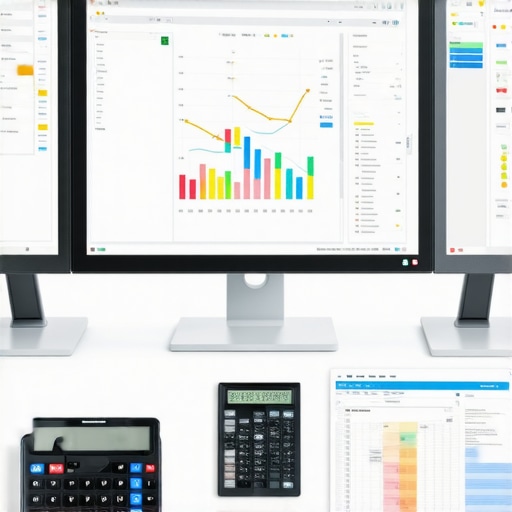
Reflecting on my journey, one of the most eye-opening lessons was realizing how many entrepreneurs underestimate the transformative impact of integrating their CPA into every stage of their exit planning. I once believed that tax preparation was a once-a-year chore, but now I see it as a continuous strategic process that can unlock significant value. This insight has reshaped my approach—proactively leveraging CPA expertise to navigate complex tax codes, legal structures, and financial audits that can make or break a successful exit.
Lessons the Experts Keep Under Wraps About CPA Strategies
- It’s never too early to involve your CPA: Waiting until the last minute can leave money on the table and increase stress. I learned this when I delayed consultation and faced costly surprises during my sale process.
- Tax planning is an ongoing partnership: Regular strategy sessions with your CPA can reveal hidden opportunities, such as restructuring assets or optimizing entity classifications, that dramatically boost your business’s valuation.
- Understanding compliance saves headaches: Overlooking local nexus laws or industry-specific regulations can lead to penalties. Personally, I discovered this the hard way, but early awareness prevented major setbacks.
Where to Go from Here to Maximize Your Exit Potential
Equip yourself with tools and resources that empower proactive financial management. I trust this guide on identifying tax savings to start shining a light on overlooked benefits. Additionally, considering expert advice from outsourcing your accounting can provide the flexibility and insight needed to prepare for an exit confidently.
Your Next Move to Reclaim Financial Control
Empower yourself to take strategic actions that align with your long-term goals. Whether it’s reviewing your legal structure, automating bookkeeping, or cultivating a close relationship with your CPA, every step counts. Remember, your business’s future is shaped by your current decisions—so start today and turn your financial foundation into your strongest asset. How have you begun integrating your CPA into your exit planning? Share your experiences below and let’s learn together.