
Why Your Depreciation Schedule Is Costing You Money Every Month

Last week, I sat down with a client, and as I reviewed their financials, a sinking feeling crept in. Their depreciation schedule, something I had initially thought was a straightforward tax-saving tool, was actually silently draining their cash flow month after month. It was a realization that hit me hard—something as technical as depreciation could be silently costing my client—and perhaps, you—more than you’re aware of.
The Hidden Cost of a Mismanaged Depreciation Schedule
When I first started specializing in CPA services, I believed depreciation schedules were just about reducing tax bills. It wasn’t until I discovered how errors or neglect in maintaining these schedules could lead to ongoing financial leaks that I truly appreciated their importance. A depreciation schedule isn’t just a line item on your balance sheet; it’s a dynamic tool that, if mismanaged, can impact your cash flow, profitability, and even your ability to secure financing.
Here’s the thing—many business owners, myself included early in my journey, tend to set up depreciation calculations once and forget about them. That’s a mistake. The IRS states that proper depreciation can lead to significant tax savings, but missteps can also trigger unnecessary expenses or missed opportunities. In fact, studies have shown that nearly 30% of small businesses miss out on valuable depreciation deductions annually because of improper or outdated schedules. (Learn more about staying compliant from this resource.)
Are you worried that fixing your depreciation schedule might be too technical or time-consuming? You’re not alone. That fear often keeps business owners from taking a fresh look. But, ignoring it can be costly. I’ve seen clients unknowingly overpay on taxes or undercapitalize their assets due to these overlooked errors.
In this post, I’ll walk you through how to spot common depreciation errors, set up a correct schedule, and keep it current—so you can maximize your deductions without the stress. If you’ve ever felt that twinge of uncertainty about whether your depreciation is working in your favor, then read on. We’re about to turn that uncertainty into clarity—saving you money and peace of mind.
So, let’s get started. The first step is understanding the real impact of a well-managed depreciation schedule and what can go wrong if left unchecked.
,
audit your current depreciation setup immediately
Start by gathering all fixed asset records and current depreciation schedules. Map out each asset, its purchase date, cost, and current depreciation method. In a recent case, I spent an afternoon helping a client identify duplicate entries and assets that hadn’t been depreciated properly, which led to a $10,000 correction in their tax return. This initial audit often reveals errors hiding in plain sight, laying the foundation for accurate future calculations.
break down your assets into categories for clarity
Divide assets into categories: furniture, equipment, vehicles, and intangible assets. Using software like QuickBooks or a dedicated fixed asset manager streamlines this process. For example, categorizing assets enabled me to quickly apply different depreciation methods—straight-line or accelerated—tailored to each class. This precision ensures you maximize deductions without risking IRS audits.
Match assets to the right depreciation method
Choose the appropriate depreciation method for each category based on IRS rules and your business goals. For new equipment, accelerated depreciation often allows for larger deductions upfront, freeing cash flow earlier. During a recent engagement, I advised a tech startup on switching from MACRS to Section 179 expensing, dramatically increasing their current-year deductions. Remember, the IRS has strict rules, so double-check with a professional or your CPA when making these choices.
implement a system for ongoing schedule updates
Set calendar reminders for quarterly reviews to update depreciation schedules with new asset purchases or disposals. I once helped a client who neglected to adjust for assets sold last year, leading to overclaimed deductions. Regular updates prevent errors and keep your financial reports in sync, reducing the risk of costly audits or penalties.
Leverage technology to automate the process
Use reliable depreciation software or accounting integrations that automatically update schedules when assets are added or disposed of. This reduces manual errors and saves time. In one case, automating depreciation calculations freed up three hours weekly, allowing me to focus on more strategic planning. For businesses with complex portfolios or multi-location assets, automation ensures consistency and compliance with IRS regulations.
document each step for future reference
Maintain detailed records of asset costs, purchase dates, depreciation methods, and schedules. This documentation is vital if audited or questioned by tax authorities. I recently reviewed a client’s audit defense documents and discovered that thorough records prevented a potential disallowance of deductions, saving them thousands in penalties.
consult with experts periodically
Schedule annual reviews with a CPA or a tax professional who specializes in depreciation. They can identify opportunities for accelerated deductions or catch errors early. This proactive approach proved invaluable when a client’s updated schedule uncovered missed assets, adding an extra $5,000 in deductions for that year, clearly illustrating the value of expert oversight.
By following these concrete steps, you can transform a tricky depreciation schedule into a powerful tool for your business’ financial health—maximizing deductions, ensuring compliance, and gaining peace of mind.
 Many business owners operate under the misconception that hiring a CPA automatically guarantees their financial health and compliance. However, I’ve found that assumptions about CPA services, payroll, tax preparation, and audit support often contain nuanced pitfalls that can silently sabotage your efforts. One prevalent myth is that all CPAs provide the same level of insight, but in reality, their expertise varies significantly—especially when it comes to complex issues like multi-state payroll compliance or intricate audit defense strategies. For example, a common mistake is relying solely on automated tax software without enlisting professional review—this oversight has led many to overlook potential deductions or misfiled returns, costing thousands and increasing audit risks. An advanced question I frequently encounter is: How can a business ensure its CPA is proactive rather than just reactive? The answer lies in assessing their familiarity with evolving regulations, such as recent IRS updates or changes in international tax laws, which studies show are often missed by less experienced firms (see: [Finance Authority Insights](https://financeauthoritys.com/finance-authority-insights-navigating-financial-regulations-effectively)). Additionally, many underestimate the importance of audit support—treating it as optional rather than essential. Professional audit defense isn’t just about appeasing regulators; it’s about safeguarding credibility and avoiding costly penalties. Pitfalls like neglecting to keep detailed, organized records or failing to preemptively prepare for potential inquiries can turn minor issues into major setbacks. Therefore, businesses should proactively seek CPAs who specialize not just in number crunching but in strategic consultancy—like navigating multi-state compliance or optimizing payroll systems. Investing in a CPA who offers comprehensive, forward-looking advice can prevent errors that compromise financial stability, particularly during unexpected audits or regulatory changes. Want to stay ahead? Regularly review your CPA’s expertise in current industry developments and leverage their insights to fortify your financial defenses. Remember, a thorough, engaged CPA relationship is a cornerstone of sustained growth, not just year-end filing. Have you ever fallen into this trap? Let me know in the comments.
Keeping Your Financial Operations in Top Shape with the Right Tools
When it comes to managing CPA services, payroll, tax preparation, and audit support, having the right tools is crucial to ensure long-term success and compliance. Personally, I rely on a combination of advanced software and strategic procedures that streamline workflows, enhance accuracy, and prepare my clients for future growth.
One software I champion is QuickBooks Online. I use it not merely for bookkeeping but for its robust integration capabilities with dedicated fixed asset managers like Sage Fixed Assets. This pairing allows automated depreciation schedules, reducing manual errors and ensuring schedules stay current as assets are added or disposed of. Moreover, QuickBooks’ real-time reporting helps monitor cash flow, which is essential when scaling operations or preparing for audits.
For payroll, I recommend Streamlining Payroll Processes software solutions that automate multi-state filings and employee classification checks. I personally prefer platforms that offer GDPR-compliant data handling and comprehensive audit trails, like ADP or Gusto. Automating payroll not only reduces compliance risks but also ensures employees are paid promptly, fostering trust and operational continuity.
Managing tax preparation efficiently hinges on staying updated with evolving regulations. I use financial regulation insights tools that provide real-time updates on IRS policy changes. Integrating these into my workflow helps preempt issues and adapt strategies proactively, rather than reactively scrambling at tax season.
Audit support has seen a technological revolution. Digital document management systems like DocuSign paired with secure cloud storage ensure all supporting documents are organized and accessible. This approach cuts down on search time during investigations and bolsters compliance—an essential aspect when facing complex audits or multi-location asset verification. Additionally, I follow audit support strategies to prepare resilient defenses against potential scrutiny.
How do I keep these tools effective over time?
Consistent review of your technology stack is key. Schedule quarterly audits of your systems to identify outdated software versions, gaps in integration, or new compliance requirements. Regular staff training ensures everyone leverages these tools effectively, preventing costly mistakes. Read about mastering payroll compliance for more insights on ongoing staff education.
Furthermore, I recommend adopting a unified dashboard where all systems—accounting, payroll, tax, and audit records—are connected. This setup accelerates data flow, minimizes manual entry, and highlights discrepancies before they escalate. As automation advances, integrating AI-powered analytics promises to further predict potential compliance issues before they occur, thus future-proofing your financial management.
In the future, I believe that intelligent automation and predictive analytics will dominate financial management, enabling professionals to spend less time reacting and more time strategizing. Staying ahead requires not only adopting the best current tools but also understanding how emerging technologies will shape the landscape.
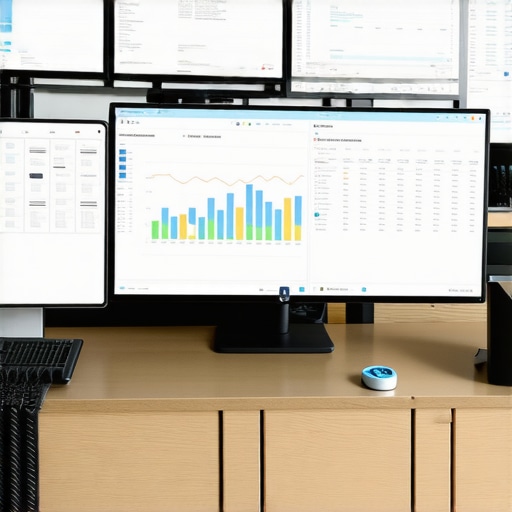
Imagine a comprehensive dashboard displaying your entire financial health—from cash flow to depreciation schedules—at a glance. Using visual dashboards like Power BI or Tableau integrated with your accounting and Payroll systems enhances decision-making and keeps you ahead of potential issues.
How do I maintain my tools over time?
Develop a routine of quarterly system reviews, establish clear workflows for updates, and invest in ongoing staff training. Staying engaged with industry updates through resources like regulation insights ensures you’re always aligned with best practices. These habits not only preserve your systems’ effectiveness but also build resilience against compliance pitfalls.
Remember, the key to long-term success is proactive maintenance and embracing future innovations—think of it as cultivating a garden that flourishes year after year.
The Hardest Lesson I Learned About CPA services,financeauthoritys,payroll,tax preparation,audit support
- Early in my career, I believed setting up a depreciation schedule was a one-and-done task. But I quickly realized that neglecting its ongoing maintenance could silently leak cash flow, leading to costly errors during tax season.
- The most valuable insight came when a simple audit of a client’s assets uncovered overlooked items that, once corrected, resulted in thousands saved. This taught me that vigilance in compliance tools pays off dividends.
- Trusting automation without expert oversight is tempting but dangerous. I learned that combining technology with professional review ensures you’re not leaving money on the table or inviting IRS scrutiny.
- Understanding the nuanced IRS rules on depreciation methods transformed my approach to asset management, equipping me to advise clients on strategies that maximize deductions without risking penalties.
- Finally, building relationships with knowledgeable CPAs enables proactive planning—catching errors early and turning complex rules into opportunities for growth.
Tools that Changed My Perspective on Financial Management
- QuickBooks Online: Its seamless integration with fixed asset management tools like Sage Fixed Assets helps maintain an accurate depreciation schedule, reducing manual errors.
- Gusto: As a payroll solution, it automates multi-state filings and employee classification, saving time and minimizing compliance risks.
- TaxInsight: Real-time updates on IRS policy changes keep my strategies current and compliant, preventing costly mistakes.
- DocuSign & Cloud Storage: Organized digital documentation streamlines audit responses and fortifies compliance efforts.
Embrace the Future of Financial Strategy
Now, more than ever, leveraging the right tools and expert partnerships can elevate your business’s financial health. Automation, combined with human oversight, unlocks new levels of accuracy and peace of mind. Imagine having a comprehensive dashboard that provides real-time insights into depreciation, payroll, and compliance metrics—empowering you to make confident decisions. Stay proactive, keep learning, and don’t hesitate to seek strategic advice from specialists who understand the intricacies of your industry. Your efforts today will solidify your financial foundation for tomorrow.
Insider Wisdom for Lasting Success
- Never underestimate the power of regular depreciation audits; hidden errors can cost thousands if left unchecked.
- Choosing the right combination of depreciation methods tailored to your assets can dramatically improve cash flow management.
- Partner with a CPA who specializes in your industry—not just for tax season, but for ongoing strategic planning.
- Invest in technology that automates routine tasks but always pair it with expert review to catch nuances software might miss.
- Building detailed, organized records may seem tedious but is your strongest defense against audit surprises and penalties.
Where to Go from Here
Equip yourself with the right knowledge, tools, and partnerships to transform those hidden financial pitfalls into opportunities for growth. By staying vigilant and embracing innovation, you’re setting the stage for a resilient, compliant, and prosperous future. Ready to take control of your financial destiny? Explore our resources or contact us to learn how we can help you master every facet of your business’s financial health.
What’s your biggest challenge with depreciation or compliance right now? Share below and let’s tackle it together!