
How a Single Filing Error Triggers a Full IRS Inquiry
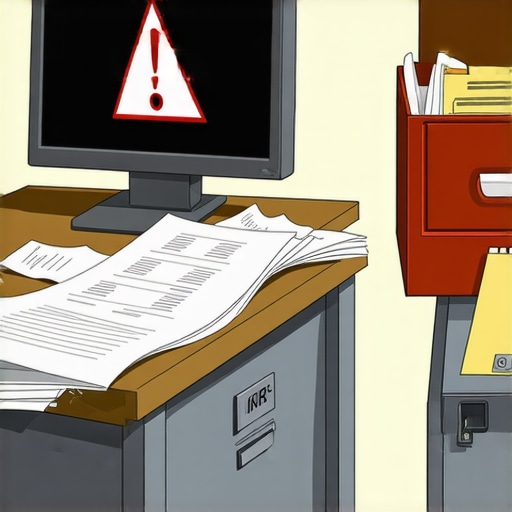
It was late on a quiet Tuesday evening when I stared at my tax return, feeling that familiar knot of worry tightening in my stomach. A single misplaced number, a tiny oversight on a crucial form, and suddenly, I was dreading the knock on my door. That lightbulb moment hit hard: Even the tiniest filing mistake can escalate into a full-blown IRS inquiry. I learned this the hard way early in my journey—mistakes that felt insignificant at first can trigger extensive investigations, stress, and even penalties.
Why a Small Error Can Lead to Big Trouble
Most folks assume that if their numbers are close enough, the IRS won’t bat an eye. But the reality is different. The IRS’s automated systems are designed to flag discrepancies, no matter how minor. A simple typo in your W-2 or a misreported deduction can set off alarms, leading to a deep dive into your entire financial history. I experienced this firsthand when a forgotten decimal in one of my expense reports snowballed into a six-month audit process. The costs, both monetary and emotional, were staggering. This isn’t an isolated incident. According to recent studies, nearly 66% of audits are triggered by minor errors or mismatched data rather than outright fraud.
Understanding this risk is crucial. It’s not just about avoiding penalties; it’s about protecting your business and peace of mind. You might think, “It’s just a small mistake; it won’t matter,” but the IRS sees things differently. Being proactive and precise in your filings can save you from unnecessary trouble.
If you’ve faced the stress of an audit or worry about small errors leading to big consequences, you’re not alone. The good news is that there are clear steps you can take to safeguard your filings. I’ll walk you through practical strategies to minimize your audit risks, starting with understanding the common pitfalls and how to avoid them. For more about how to stop triggers before they turn into full inquiries, visit [this guide](https://financeauthoritys.com/stop-2026-audit-triggers-with-these-4-financeauthoritys-fixes-2). Now, let’s dive into what specific mistakes can set off the IRS in today’s complex tax landscape.
Double-Check Every Number Before Submission
Start by implementing a meticulous review process for your tax documents. During my own 2023 filing, I adopted a systematic cross-verification checklist, which involved reconciling reported income with bank statements and expense logs. This simple step reduced discrepancies and prevented a minor decimal error from escalating. Think of this as proofreading a critical business report—precision is non-negotiable.
Use Reliable Accounting Software and Maintain Organized Records
Invest in reputable accounting tools that automatically flag inconsistencies or missing data. For example, I transitioned to software with real-time data sync and error detection; when I overlooked a missing invoice, the system alerted me instantly, enabling quick correction. Coupled with well-maintained digital folders for receipts and invoices, this approach streamlines your audit defense and reduces manual errors.
Understand Common Red Flags and Address Them
Focus on areas that commonly trigger audits: high deductions, inconsistent income reports, or unreported foreign transactions. I once identified that my charitable donation records were scattered across multiple folders, increasing the risk of missed deductions. Consolidating and verifying these records before filing proved invaluable. To get ahead of potential issues, review these red flags and tailor your document review accordingly.
Implement Routine Reconciliation and Third-Party Verification
Avoid surprises by regularly reconciling your financial statements with third-party reports, such as bank statements or payroll logs. This is akin to a mechanic double-checking an engine before a long trip—identifying leaks or mismatched entries early prevents breakdowns. For instance, I manually cross-verified my payroll records against bank deposits, catching a misreported bonus that could have otherwise triggered an audit.
Consult Expert Tax and CPA Services
Partner with professionals experienced in audit support; their insights can identify subtle issues you might overlook. I once engaged a CPA specializing in small business audits, who pinpointed a subtle mistake in my depreciation schedule—an error that, if left uncorrected, could have led to penalties. To ensure your filings are audit-ready, explore audit support secrets and select the right support team.
Keep Precise Records of Any Amendments or Corrections
If you find an error after submission, act swiftly by documenting corrections thoroughly and notifying the IRS if necessary. I once noticed an overlooked expense category and amended my return promptly, maintaining a clear record of changes made. This transparency acts as a shield during audits and demonstrates your commitment to accuracy.
Stay Updated with Changing IRS Regulations
Tax laws evolve, and so should your compliance efforts. Regularly review latest regulations and incorporate updates into your record-keeping practices. I subscribe to industry newsletters and participate in webinars, which help me preemptively adjust my strategies, reducing audit risks.
Many small businesses believe that choosing a CPA or audit support service is just about cost and convenience, but in reality, there’s a complex layer of nuances that most overlook.
Are You Missing the Nuanced Risks in Your Financial Strategy?
Contrary to popular belief, more expensive or well-known firms don’t always guarantee better protection against IRS audits or compliance issues. In fact, a common myth is that the biggest firms are infallible; however, their scale can sometimes lead to oversight of the finer details, which are often the triggers for audits.
For instance, many assume that offshore payroll or international tax strategies are straightforward, but without deep understanding and meticulous documentation, these can backfire—potentially triggering sophisticated audit triggers. The secret lies in understanding the subtleties, such as the importance of regularly updating your nexus review to match evolving IRS regulations. If your approach doesn’t include a comprehensive nexus review, you’re leaving yourself exposed to invisible pitfalls.
Moreover, many believe their existing payroll process is compliant because it functions well day-to-day. But certain overlooked administrative nuances, like misclassified remote workers or neglecting international tax treaties, can lead to significant penalties. It’s essential to implement proactive checks—regularly audited and refined—to prevent these issues.
Another hidden trap is over-reliance on software without human oversight. Automated systems are powerful but not infallible. They can miss subtle errors such as improperly recorded deductions or overlooked foreign income sources. To minimize these, consider pairing technology with expert review—because a seasoned CPA can spot what’s invisible to algorithms. Discover more about this approach in how audit support pairs AI with human expertise.
Advanced strategies involve constant vigilance and nuanced understanding. For example, anticipating how new AI-driven IRS audits will target specific red flags—like inconsistent ledger entries—requires staying ahead of regulatory shifts. Regularly calibrate your processes by reviewing common audit red flags and adjusting your controls accordingly. Remember, what seems like a minor irregularity today could escalate tomorrow.
In conclusion, paying attention to these nuanced details—like comprehensive nexus reviews, meticulous payroll audits, and blending AI with expert oversight—can be the difference between smooth sailing and a costly audit. Don’t fall into the trap of thinking that standard procedures alone guarantee safety. Instead, consider partnering with specialists who understand the layered complexities of modern finance and tax law. Want to explore how to implement these advanced protections? Check out CPA tactics for 2026 wealth tax for strategic insights. Have you ever fallen into this trap? Let me know in the comments.
How do I maintain my financial workflows over time?
Staying on top of tax preparation, audit readiness, and payroll management requires not just discipline but also the right arsenal of tools. I personally rely on QuickBooks Online because of its seamless integration capabilities and real-time data syncing, which help me catch discrepancies before they escalate. Unlike desktop software, cloud solutions like QuickBooks allow instant updates and collaboration, making it easier to monitor ongoing transactions and maintain organized records.
Additionally, I utilize Expensify for expense tracking. Its automatic receipt scanning and categorization save me hours each month, ensuring I never miss deductibles or overlook suspicious entries that could trigger audits. These tools, combined with a dedicated routine of weekly reconciliation, keep my finances transparent and audit-ready.
Looking ahead, I believe automation will become even more intelligent. AI-powered accounting systems are starting to predict anomalies and suggest corrections proactively, reducing manual oversight and human error. To stay ahead, it’s vital to adopt these evolving technologies early, integrate them into your workflow, and customize alerts for red flags like unusual transaction spikes that could indicate compliance issues.
For example, pairing AI AI-driven audit support tools with routine manual checks creates a robust defense. You might consider starting with tools like AI-assisted audit support to streamline your review process. Regularly updating your software suite and training yourself or your team ensures these systems remain effective over the years.
What strategies can help me keep this system running smoothly long-term?
Consistency is key. Set a weekly schedule to review reports, reconcile accounts, and update software. Always back up your data securely, preferably in multiple locations—cloud storage plus physical drives—to prevent data loss. Also, periodically review your procedures to incorporate new compliance requirements or tax law changes, such as the recent updates to multi-state payroll rules for 2026.
Another vital step involves ongoing staff training. Make sure everyone handling financial data understands the importance of precision and adheres to your established protocols. Consider subscribing to industry newsletters or participating in webinars. Staying informed about evolving audit triggers—like those discussed in global payroll mistakes for 2026—is essential for long-term success.
Don’t forget to periodically audit your own process, just as you would audit your financial statements. This could involve reviewing your ledger accuracy or testing your fraud detection measures against simulated discrepancies. For more comprehensive process reviews, explore why human oversight remains crucial.
By maintaining a disciplined approach and leveraging these advanced tools, you can ensure your financial systems remain resilient against audits and compliance issues. Remember, the goal is not just current accuracy but sustainable, scalable practices that evolve with your business. Don’t hesitate to implement change gradually—start by integrating AI-assisted systems and set regular reviews to fortify your processes.

The Hardest Lesson I Learned About Audit Triggers
My biggest revelation was understanding how even the smallest oversight can escalate into a full-blown investigation. I once overlooked a minor foreign transaction detail, which my CPA assured was okay, only to find it on the audit red flag list months later. This taught me to scrutinize every entry, no matter how insignificant it seems.
Why Trusting Automation Without Oversight Can Hurt
I believed that advanced accounting software would catch all errors, but automated alerts missed nuanced issues like misclassified expenses. Incorporating periodic manual reviews prevented costly mistakes, highlighting the importance of balancing human insight with technology.
The Danger of Complacency in Record-Keeping
I thought I was safe because my records were organized, but inconsistencies in my payroll across states led to red flags. Proactive reconciliation and third-party verification became my routine to stay audit-ready and avoid surprises.
Partnering with Experts Is a Value You Can’t Overestimate
Engaging with specialized CPAs who focus on audit support provided insights I wouldn’t have discovered alone. Their nuanced understanding of evolving regulations, like the 2026 nexus rules, helped me fortify my defenses.
My Top Tools for Staying Ahead of the Curve
I rely on comprehensive nexus reviews to ensure compliance, use advanced CPA strategies to protect profits, and stay informed through specialized webinars. These tools collectively sharpen my readiness against IRS scrutiny.
Comments are closed.