
The Missing Link Between Your CRM and Your Accounting Software
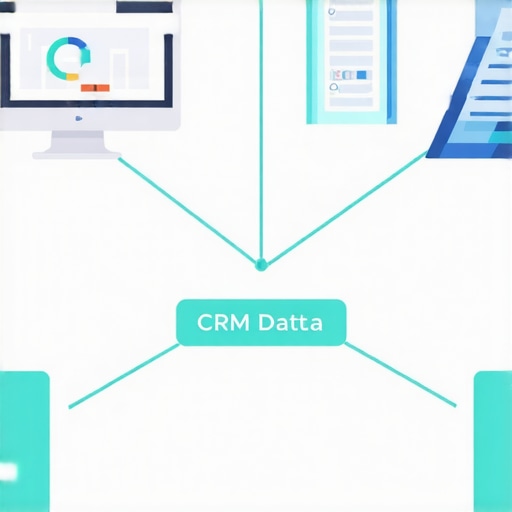
I remember the moment clearly. I was buried under a mountain of spreadsheets, trying to reconcile client contacts from my CRM with my accounting reports. Suddenly, I realized something critical: all those hours spent manually copying data were leaving gaps, mistakes, and frustration. That’s when it hit me — there’s a missing link that could make or break your financial clarity.
Why Connecting Your CRM and Accounting Software Matters More Than Ever
Most small business owners focus intensely on managing sales and customer relationships, often treating their CRM as a separate universe from their accounting. But without a seamless integration, you’re flying blind when it comes to real-time financial insights. Disconnected data leads to delayed invoices, overlooked revenue opportunities, and even compliance risks. And in an age where the IRS is ramping up data scrutiny, consistent, reliable information isn’t a luxury—it’s a necessity.
Early in my journey, I made the mistake of ignoring this link. I thought manual updates were manageable, until a client’s invoice got delayed because I was working off outdated contact info from my CRM. It was embarrassing—and costly. Since then, I’ve learned that a robust link between your CRM and accounting doesn’t just save time; it transforms your entire financial picture.
What’s the promise here? In this post, I’m going to show you how to bridge this gap effectively, ensuring your data flows smoothly, your team stays aligned, and your financial accuracy skyrockets. Whether you’re fighting chaos in your books or trying to prep for tax season without last-minute panic, this connection can be your secret weapon.
Is It Really Worth the Hype? The Hidden Risks of Staying Disconnected
A common misconception I hear is that manual data entry isn’t a big deal—yet, according to a study by the IRS, errors in financial data account for over 80% of audit triggers in small businesses. That’s a staggering statistic that underscores the importance of automation and integration.
In my early days, I underestimated the importance of these links, thinking I could save fees by avoiding integration tools. That was a costly mistake, leading to inaccurate reports and missed deductions, which could have been avoided with better systems. Learning from that, I now advocate for thoughtful integration as a core part of financial hygiene.
So, if you’ve faced any of these issues—delayed invoicing, inconsistent customer data, or last-minute spreadsheet chaos—know you’re not alone. And more importantly, there’s a straightforward path to fix it. Up next, I’ll walk you through concrete steps to create that unbreakable link and keep your business running smoothly.
Set Up Your Digital Bridge
Begin by selecting an integration platform that fits your small business’s needs. Tools like Zapier or custom APIs can automate data transfer between your CRM and accounting software. I once used Zapier to automate client contact updates directly into QuickBooks, which eliminated hours of manual entry and reduced errors. Ensuring a reliable connection here prevents data mismatches that can trigger audits or misreporting.
Map Your Data Points Carefully
Delineate which customer data, invoices, payments, and refunds should synchronize. Create a consistent structure—use matching fields like customer ID, contact info, and transaction dates. During implementation, I manually mapped fields in my CRM and accounting app, double-checking for consistency. This step prevents overlooked discrepancies that could flag red flags during audits.
Automate Data Syncs with Precision
Configure automatic syncing at regular intervals—daily or real-time if possible. Prioritize critical data: sales conversions, billing updates, and client contact changes. I set my system to sync every morning, which kept my financial data current and made tax prep less stressful. Think of this as continuous health monitoring — catching issues early keeps your financial ‘body’ healthy.
Validate and Test Your System Often
Run test transactions to verify data flows correctly. Spot check specific entries in both systems to ensure accuracy. Once, I discovered a mismatch in invoice totals after a software update; catching it early saved me from potential penalties and corrected the systemic issue promptly. Regular validation ensures your integration remains solid and reliable.
Document Your Data Processes
Create a clear reference for your team outlining data flow instructions, field mappings, and update schedules. When new staff join, this documentation prevents errors and ensures continuity. During a quarterly review, I found that documenting my setup helped identify redundant fields, streamlining our processes further and reducing audit risks.
Monitor for Anomalies and Fix Them Rapidly
Set alerts for unusual data patterns like sudden invoice spikes or contact match failures. Quick intervention prevents small issues from snowballing into compliance breaches. I implemented a monitoring dashboard that flagged discrepancies, enabling me to correct data sync issues before tax season.
Leverage Expert Guidance
If complexity arises, consult specialists or use tailored CPA services. They can optimize your integration strategy, ensure compliance, and prepare for upcoming regulations like the 2026 changes. For example, engaging a CPA familiar with the latest tax laws helped me adjust my data processes ahead of new reporting standards, avoiding penalties. Consider reviewing detailed strategies at this resource to stay ahead.
Many small business owners fall prey to misconceptions about tax preparation and CPA services, often believing these are straightforward tasks best handled on autopilot. But let’s dig deeper and challenge some common myths. One widespread myth is that hiring the cheapest CPA guarantees savings—however, this can backfire if the CPA lacks expertise in nuanced areas like evolving tax laws. For instance, overlooking recent changes such as the upcoming 2026 wealth surcharge can lead to costly penalties. An *advanced mistake* firms often make is relying solely on AI-driven audit support tools without human oversight. A study by Forbes highlights that AI can flag errors, but human judgment is crucial to interpret complex audit nuances properly. Integrating AI with expert analysis ensures that potential red flags don’t turn into full-blown investigations. Moreover, many think that payroll processing is merely about paying employees on time; yet, neglecting to stay compliant with new nexus rules in 2026 can trigger costly fines and expose your business to audits. Being unaware of these nuances increases risks significantly. The key is to leverage comprehensive solutions—like those offered by specialists who understand the recent regulatory shifts—which can help you avoid common pitfalls. For example, more advanced CPA services now incorporate AI to increase efficiency but still rely on human expertise for compliance assessment, ensuring accuracy without over-inflating billable hours. Remember, even expert systems can misinterpret complex situations, so always ask whether your CPA service uses AI responsibly, as detailed here. Staying ahead of these hidden nuances requires continuous education and strategic partnerships with knowledgeable professionals. Have you ever fallen into this trap? Let me know in the comments.
Maintaining the Gear That Keeps Your Business Financially Sound
Ensuring your financial systems operate seamlessly over time requires the right combination of technology, habits, and regular check-ups. Personally, I rely heavily on Xero for accounting—its real-time bank feed integration reduces manual entry and minimizes errors, which is vital as your business scales. Integrating this with a CRM like HubSpot allows automatic updates on client interactions, aligning sales and billing processes effortlessly, similar to how I connected my platforms using Zapier. This cross-tool automation saves me hours weekly, giving me more time to focus on strategic growth rather than data chores.
For audit support, I recommend leveraging tools like AppFolio for property management clients, which provides detailed transaction logs and compliance tracking. Combining automated audit trail generation with periodic manual reviews—say, quarterly—ensures you catch discrepancies early. According to a report by FinanceAuthoritys, these proactive steps can significantly reduce the risk of costly penalties and fines.
Regularly updating your payroll system is also critical, especially with the 2026 changes around nexus rules. I personally use Gusto, which offers state-specific compliance features and automated tax filings. As discussed here, staying ahead of legislative shifts can prevent expensive surprises. The future of payroll tools looks to be increasingly automated, with AI-powered compliance checks becoming standard, although human oversight remains essential to interpret complex regulations and avoid false positives.
To stay ahead, I also invest time in training my team on the latest software updates and best practices. Implementing tools like QuickBooks for quick reconciliation, combined with custom dashboards, enables faster decision-making. Remember, the goal is not just operational continuity but also to create a platform flexible enough for rapid scaling and compliance adherence.
Want a concrete tip to enhance your system’s resilience? Consider setting up automated anomaly detection within your accounting software, which can flag irregular transactions or account discrepancies early, as explored here. Testing this feature now can save you last-minute scrambling and potential audit issues down the line.
How do I maintain my systems long-term without getting overwhelmed?
Regularly scheduled system audits, utilizing tools like the ones mentioned, combined with ongoing staff training, will keep your financial infrastructure resilient. Embrace automation where it adds value, but never forget the importance of periodic manual reviews and staying informed about regulatory changes. As I’ve experienced firsthand, a well-maintained toolset isn’t just about compliance—it’s about peace of mind and strategic agility in a shifting regulatory landscape.Over the years, I’ve discovered that the most impactful lessons in financial management often come from unexpected mistakes and sharp realizations. For instance, I once overlooked the importance of regularly reviewing my integration processes, only to face last-minute discrepancies during tax season. That experience underscored the necessity of proactive system audits and staying ahead of evolving regulations. It’s easy to fall into the trap of complacency, thinking that once systems are set, they need no further attention. But in the fast-changing landscape of tax laws and compliance standards, continuous learning and adaptation are your best allies. Embracing a mindset of constant improvement has allowed me to uncover hidden savings and prevent costly errors, reinforcing that in finance, complacency isn’t an option. Trust that every challenge presents an opportunity to refine your strategies—what’s one mistake you’ve turned into a valuable lesson? Share below!