
How to build a tax defense that protects your personal assets

I’ll never forget the pit in my stomach when I opened that heavy manila envelope from the IRS. I was sitting at my kitchen table, a cold cup of coffee next to a stack of notices that seemed to multiply every time I blinked. It wasn’t just a standard query; it was a deep dive into my business finances that threatened to spill over into my personal bank account. At the time, I thought having an LLC meant I was untouchable. I believed that my business was a separate planet from my personal life. I was wrong, and that realization nearly cost me the down payment on my home. Building a tax defense isn’t just about filing forms on time; it’s about creating a fortress around your personal life so that a business audit doesn’t turn into a personal tragedy. Today, I’m going to walk you through the exact steps to ensure your personal assets stay personal. We’re moving past the surface-level advice and getting into the grit of how you can sleep better at night knowing your family’s future is walled off from your company’s liabilities.
Your Business Entity Might Be a Paper Tiger
A lot of folks think that just registering a name with the state is enough. I made that exact mistake early on. I had the paperwork, but I didn’t have the discipline. I’d grab the wrong card at the grocery store or pay a personal utility bill from the business account because I figured it all came from the same pot of money anyway. That is exactly how you invite the IRS to pierce the corporate veil, a legal move where they ignore your business status and come for your personal car and home. According to the Legal Information Institute at Cornell Law School, the alter ego doctrine allows courts to hold individuals liable if the corporation is merely a facade for the operations of the dominant shareholder. If you aren’t careful, why your business entity choice is draining your cash flow is only the start of your problems; you might be accidentally dismantling your legal protections entirely.
Is a legal entity actually enough to keep my savings safe?
The short answer is no. A legal entity is a tool, not a miracle. If you aren’t running it like a real business—keeping separate books, documenting meetings, and maintaining a clear line between your wallet and the company’s—that LLC is about as useful as a screen door on a submarine. I’ve seen so many gig workers skip the basics of record-keeping, which is why I always point people toward tax prep tips for freelancers and gig workers in 2025 to get their foundations right before they get into trouble.
The Hidden Danger of Using Personal Credit Cards
It seemed so convenient at the time. I wanted those travel points, so I put my office equipment and a new laptop on my personal high-rewards card. I figured I’d just reimburse myself later. When the audit came, that one decision created a trail of mess that took my CPA weeks to untangle. Using personal credit for business is like leaving your front door unlocked in a bad neighborhood. You might get lucky, but the risks of using personal credit cards for business expenses are simply too high when your personal assets are on the line. Have you ever caught yourself borrowing from your business account just to cover a quick personal expense, thinking you’d fix the books later? Believe me, I’ve been there, and it’s the fastest way to weaken your defense. Establishing a clear boundary is the first real step in protecting your future.
Stop Treating Your Books Like a Junk Drawer
The first step to a real defense is rigorous reconciliation. Think of your bank statements as the ‘ground truth’ and your ledger as your ‘story.’ If the story doesn’t match the truth, you’re in trouble. I remember one specific month where my balance was off by exactly $142.85. I ignored it, thinking it was just a rounding error. That tiny thread almost unraveled my entire tax year during a review because it pointed to a duplicated expense I couldn’t prove. If why your bank reconciliation is always off by pennies sounds familiar, you need to realize those pennies are the cracks the IRS uses to pry open your personal life. You need to reconcile weekly, not just monthly, to ensure no phantom transactions creep into your business records.
Draw a Hard Line with a Monthly Closing Process
You cannot wait until April to see if your numbers work. You need a hard ‘shut down’ at the end of every month. This is your digital firewall. By implementing a strict routine, you ensure that every transaction is categorized and verified before the trail goes cold. This is one of the most effective audit support strategies every business needs in 2025 to keep the regulators at bay. If you don’t close your books, you’re essentially leaving your financial house unlocked for any regulator to walk in and snoop around. During my second year in business, I skipped my October close. By December, I had no idea where ten thousand dollars in ‘marketing spend’ had actually gone. It took me weeks to reconstruct the trail. 
Clean Up the Mess Before the IRS Finds It
When I finally realized my books were a disaster, I spent seventy-two hours straight in a caffeine-fueled haze fixing my accounts. I learned the hard way that knowing how to fix a messy general ledger in three days is better than facing a three-year audit. A clean ledger is your best witness. It speaks for you when you aren’t in the room. If your ledger is cluttered with vague ‘miscellaneous’ tags or uncategorized transactions, you’re basically waving a red flag at a bull. Every entry should have a ‘why’ and a ‘what’ attached to it.
Software Is Not Your Savior
Don’t get me wrong, I love automation. But I’ve seen too many entrepreneurs think that a subscription to a cloud app replaces a professional. That’s like thinking a flight simulator makes you a pilot. I once had a software glitch that miscategorized my payroll taxes for four months. If I hadn’t had a pro looking at it, I would have faced massive penalties. This is exactly why your accounting software isnt a substitute for a pro who can spot the nuances a machine misses. Software doesn’t understand intent; it only understands rules. If your rules are wrong, the software just helps you fail faster.
Watch Out for the Contractor Trap
One of the fastest ways to lose your personal asset protection is through labor disputes. If the IRS decides the ‘freelancer’ you’ve been paying is actually an employee, they won’t just ask for back taxes; they’ll come for your personal assets to cover the shortfall. Understanding why your contractors might actually be employees is a non-negotiable part of your tax defense. I had a colleague who hired a ‘consultant’ for three years, only to find out he owed six figures in unpaid benefits and taxes because he didn’t follow the control tests. He ended up losing his personal savings to settle the debt. Don’t let a simple classification error tear down the walls you’ve built.Most people assume the best tax pro is the one who gets their bill closest to zero. I used to think that way too. But here’s the contrarian truth: if your CPA is solely focused on the past year’s return, they aren’t an asset—they’re an overhead cost. Real CPA services should be forward-looking. I’ve seen countless entrepreneurs celebrate a ‘zero-tax’ year, only to be laughed out of a bank six months later when they tried to buy a warehouse. If your books show no profit to the IRS, they show no ability to repay to a lender. This is why choosing the cheapest CPA usually costs the most later; they save you five thousand in taxes today but cost you a five-million-dollar expansion tomorrow.
Why the Cheapest Tax Pro Often Becomes Your Most Expensive Mistake
We often treat tax prep like a commodity, but it’s actually the most variable service in your business. I remember a mentor once told me that a bad accountant knows the rules, but a great one knows the exceptions. However, there’s a trap here. Many ‘aggressive’ tax strategies are actually just audit bait. If your professional is suggesting deductions that sound too good to be true—like writing off your entire home kitchen because you occasionally eat lunch there—run. This is why your accountant shouldnt just be doing your taxes; they should be acting as a risk manager. According to a study in the Journal of Accountancy, firms that prioritize short-term tax avoidance over long-term financial clarity often see a significant drop in their ‘Quality of Earnings’ scores, making them less attractive to investors.
Does your tax strategy make you look bankrupt to a bank?
When you lean too hard into deductions, you inadvertently destroy your balance sheet. I once met a business owner who had ‘optimized’ his way into a $200,000 loss on paper to avoid taxes. When it came time to sell his company, the buyers walked away because they couldn’t distinguish between a tax strategy and a failing business model. You have to realize why your balance sheet is the most important report you ignore. It’s the resume of your business life. If you’re constantly draining equity to minimize tax, you’re essentially burning your house down to keep the fireplace going. 
Stop Playing Guessing Games with Your S-Corp Salary
If you’re running an S-Corp, the IRS is watching your ‘reasonable compensation’ like a hawk. The old myth was that you could pay yourself a tiny salary and take the rest as distributions to avoid self-employment tax. That doesn’t work anymore. If your salary isn’t in line with industry standards, you are begging for a reclassification audit that can include massive penalties and interest. Learning how to defend your reasonable compensation figures to the irs is about data, not feelings. You need a formal study or documented payroll benchmarks.
Can I still deduct my home office in a hybrid world?
This is the most common question I get from my remote colleagues. The rules have tightened, and the ‘oops’ factor is huge here. If your home office isn’t your exclusive place of business, you’re on thin ice. The truth about the home office deduction for modern hybrid teams is that the IRS hasn’t fully caught up to the ‘work from anywhere’ culture, and they are using outdated metrics to flag returns. This is precisely why you should never skip a mid-year tax planning session. You need to adjust your strategy in real-time, not in a panic on April 14th. Have you ever fallen into this trap where you saved on taxes but got denied for a loan? Let me know in the comments.Building a fortress is one thing, but maintaining the walls is where most entrepreneurs fail. I used to think I could just set it and forget it once I had a professional in my corner. I was wrong. Maintenance isn’t a year-end event; it’s a weekly ritual. My tech stack shifted from a messy collection of spreadsheets to a tightly integrated system because I realized that why your payroll software integration keeps breaking the ledger was a symptom of poor architecture, not just bad luck. I personally switched to a combination of cloud-based payroll and a general ledger that talks to my bank in real-time. Why? Because I need to see my tax liability on a Tuesday afternoon, not three months after the quarter ends. This is the only way to avoid the surprise tax bill that kills growth. If you are still manually entering data, why your current bookkeeping process is too slow is actually costing you more in lost opportunity than you’re saving in software fees.
How do I keep my financial records clean while growing fast?
The answer lies in the Friday Afternoon Review. Every Friday at 3 PM, I spend exactly fifteen minutes looking at my cash flow vs. my tax set-asides. I look for any uncategorized transactions that might trigger an audit later. This habit ensures I’m always building an audit-ready ledger. As you scale, especially if you start hiring across state lines, you’ll find that the compliance move for companies hiring remote state workers becomes a full-time headache without automation. According to IRS Publication 15, also known as the Employer’s Tax Guide, even a minor delay in depositing employment taxes can lead to penalties up to 15%. I don’t play those odds. I predict that by 2026, real-time tax withholding will be the standard for all small businesses, and those who haven’t moved to automated payroll compliance will be left fighting a losing battle against automated IRS enforcement bots. 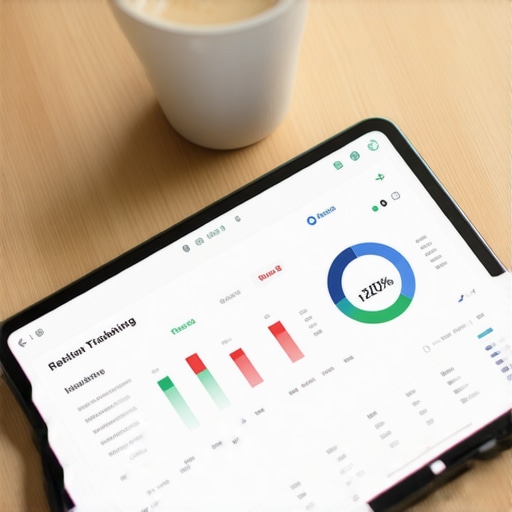
Your Future Results Depend on Today’s Tech Choice
If you want to scale, you have to stop acting like a solopreneur and start using tools that provide financial transparency for future investors. My favorite secret weapon is a recurring mid-month check-in with my CPA to discuss staying ahead of tax changes in 2025. We don’t just talk about what happened; we talk about what is coming next. I want you to try this one thing today: Open your accounting software right now and look for Uncategorized Expenses. If there are more than five, categorize them today. Don’t wait for Monday. This small act of discipline is what separates a business that survives from one that thrives under pressure.
The Hard Truths I Discovered While Building a Real Tax Defense
Reflecting on my journey, the biggest lightbulb moment was realizing that compliance isn’t a one-time event; it is a permanent state of mind. I used to think of my accountant as a once-a-year expense, but I’ve learned that the real value lies in constant communication. If you are waiting for the IRS to knock, you’ve already lost. Instead, you need to learn how to fix the most common errors in small business audits before they ever become a liability. Another tough pill to swallow was that high-growth companies often have the messiest books—don’t let your success hide your vulnerabilities. Finally, remember that your personal assets are only as safe as your weakest ledger entry. Business maturity means respecting the firewall between ‘you’ and ‘the company’ every single day.
Tools That Keep My Business Audit-Proof and Scalable
Building this fortress requires the right tools. I personally rely on a few non-negotiables to keep my sanity intact. First, I always keep the latest finance authoritys guide to staying ahead of tax changes in 2025 bookmarked for quick reference. Laws shift fast, and staying static is a risk. Second, I recommend a high-quality cloud accounting platform with automated bank feeds to eliminate manual entry errors. Third, you must have a monthly ‘Risk Review’ with a professional. Seeing cpa services demystified helps you realize they aren’t just for taxes; they are your most vital business consultants. Finally, use a dedicated digital vault for your receipts—no more shoeboxes allowed.
#IMAGE_PLACEHOLDER_E#
Start Protecting Your Legacy One Ledger Entry at a Time
You don’t have to live in fear of a manila envelope. By taking control of your records today, you are doing more than just satisfying a regulator; you are building a platform for real, scalable growth. Comprehensive tax preparation and a solid defense strategy give you the confidence to take bigger swings in your business. When you know your home and your family are protected, your focus shifts from survival to legacy. It’s time to stop guessing and start building your financial fortress. Have you ever found a deduction that felt like a win, only to realize it might be a red flag later? Let me know your experience in the comments below.