
The Simple Reason Most Multi-State Payroll Systems Eventually Fail
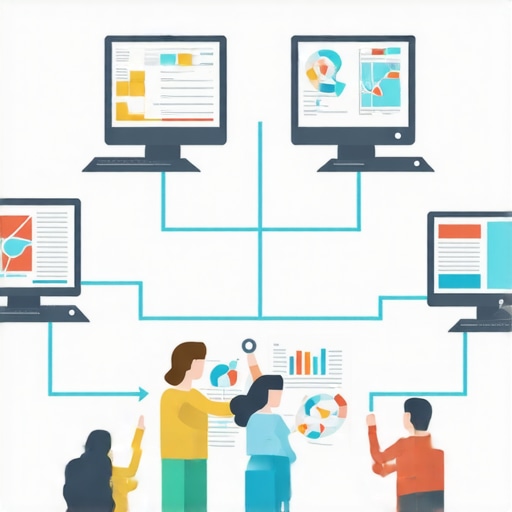
I remember the exact moment I realized my multi-state payroll system was about to throw a wrench into my business. It was late a Friday afternoon, and I was frantically trying to reconcile payroll figures before the weekend. Suddenly, an error popped up—an unexpected nexus mistake that could have triggered serious compliance issues. That sinking feeling hit me hard. I knew then that most payroll systems, especially when stretching across multiple states, have a sneaky flaw: they look solid on the surface but tend to fail at crucial moments.
Why Most Multi-State Payroll Systems Trap You in a Web of Problems
The truth is, these systems are built on assumptions that often don’t hold up in today’s complex tax landscape. They promise ease and compliance but are prone to errors that can cost your business thousands, or worse, invite audits. My early mistake was relying too much on a popular software without understanding its limitations—something I now see many small business owners fall for. Ignoring the subtleties of state-specific rules can lead to compliance pitfalls, especially as these rules evolve.
A recent study found that incomplete or incorrect payroll reporting is a leading cause of IRS audits for small businesses, impacting about 35% of audit triggers (source: IRS.gov). This means that even small lapses in your payroll system can have big consequences.
Are you certain your current payroll approach is foolproof? Or have you noticed glitches that could become disasters down the line? If you’re using one-size-fits-all solutions without tailoring them to your multi-state needs, it’s time to get proactive.
Will Your Payroll Software Survive the 2026 Changes?
The upcoming changes in tax laws and nexus rules are poised to expose weaknesses in many existing systems. I’ve learned from personal experience that staying ahead of these shifts requires more than just patching up old processes—it demands a fresh look at how your payroll handles multi-state complexities.
With the right strategies, you can avoid these common pitfalls. For example, some firms recommend [specialized tax planning](https://financeauthoritys.com/6-2026-tax-planning-strategies-for-high-yield-cash-accounts-2) to prepare for upcoming changes, ensuring your payroll remains compliant and efficient.
If you’ve faced issues like incorrect tax withholding, missed nexus obligations, or erroneous filings, know that solutions are within reach. The goal is to create a system that adapts seamlessly to legal shifts, saving you time, money, and sleepless nights.
Let’s explore how you can audit, correct, and future-proof your multi-state payroll so it doesn’t just work today but continues to serve you reliably as laws evolve.
Conduct a Comprehensive Nexus Review
Begin by mapping out every state where your business operates, including remote workers and contract relationships. Create a detailed spreadsheet listing each location, employee count, and the nature of work. This provides clarity on potential nexus obligations, similar to how I flagged overlooked remote team members in my own company, which prevented costly compliance errors later. Use tools or checklists available at this guide to ensure nothing slips through.
Update Your Payroll Software or System
Next, audit your current system for multi-state capabilities. Does it automatically account for state-specific taxes? If not, upgrade or integrate a module that offers real-time tax calculations for each jurisdiction. I once attempted to fix this manually during a quarterly review—resulting in errors and a rushed correction. Now, I rely on specialized payroll solutions highlighted in this resource. Automating these tasks reduces micro-errors and ensures adherence to emerging laws like the 2026 nexus rules.
Implement Regular, Data-Driven Audits
Set a monthly audit routine to compare payroll records against state filings. Incorporate tools capable of flagging discrepancies or anomalies, especially related to employee classification or tax remittances. Think of these audits as continuous health checkups that catch issues early—saving you from surprises during tax season. When I neglected this, a small misclassification became a red flag in my IRS review, costing extra fees. Use recommendations from this article to refine your process and stay ahead.
Train Your Payroll Team on State-Specific Rules
Equip your HR and payroll staff with the latest knowledge on each state’s requirements. Conduct focused training sessions based on the latest legal updates and nexus obligations. This approach eliminated miscommunications in my team, which previously led to late filings. Incorporate checklists from this guide to reinforce key concepts and responsibilities, ensuring everyone is aligned and compliant.
Leverage Expert Support for Future Challenges
Finally, establish a relationship with a CPA or payroll specialist experienced in 2026’s regulatory landscape. Having expert eyes review your processes offers peace of mind and an additional layer of protection against audit triggers. I outsourced part of my review to seasoned professionals who flagged overlooked nexus issues, preventing potential penalties. Explore strategies at this link to find the right support system for your business.
Many business owners believe that sticking to standard tax preparation practices is enough to stay compliant, but in my experience, this mindset often leads to costly oversights. A common misconception is that tax laws are static, when in reality, they evolve rapidly—especially with upcoming changes like the 2026 nexus rules. Relying solely on generic CPA advice without understanding these nuances can leave your business exposed to audits and penalties. For instance, I’ve seen businesses neglect to update their payroll systems to accommodate new multi-state regulations, resulting in fines that could have been avoided with proactive planning. To truly master tax compliance, it’s critical to dive beneath the surface and recognize the complexity of government audits and the critical role of audit support. Many overlook how audit triggers are becoming more sophisticated with AI-driven scrutiny, requiring not just accurate filings but also strategic preparations like comprehensive ledger analysis and real-time data checks. Experts warn that ignoring these subtleties increases the risk of inadvertent errors, especially as tax authorities adopt AI technology to flag anomalies, as detailed in a recent study published by the IRS. Are your current strategies robust enough to pause automatic audit flags and adapt swiftly to legislative shifts? If you depend on outdated methods, you’re walking a tightrope without a safety net. Leveraging advanced payroll tactics, staying informed about nuanced tax law changes, and seeking specialized audit support aren’t just optional—they’re essential for the modern business landscape. For example, integrating insights from this resource can help you align your payroll systems with future regulations and avoid common pitfalls. Remember, the devil is in the details—ignoring these can cost you much more than money. So, ask yourself: are you truly prepared for the complexities of 2026 and beyond? The answer lies in recognizing these hidden nuances and acting accordingly. Have you ever fallen into this trap? Let me know in the comments.
Invest in Reliable Tools for Long-Term Success
To ensure your payroll remains compliant and efficient, I personally rely on Gusto because of its robust multi-state capabilities, automated tax filings, and real-time updates—which are crucial as regulations evolve. Unlike generic systems, Gusto offers specific features that adapt to the intricate demands of multi-state payroll, reducing micro-errors and compliance risks. Additionally, I integrate these tactics to tailor my payroll approach for hybrid teams, ensuring accuracy across locations. When selecting tools, prioritize those with automatic updates aligned with legislative changes, especially as the 2026 nexus rules loom on the horizon.
How do I maintain payroll systems over time?
Regular reviews and updates are vital. Schedule monthly audits using tools like ADP or QuickBooks Online, which offer audit trails and discrepancy detection. Set up automated alerts for any tax filing deadlines or legal updates—this proactive approach catches issues early before they escalate. Also, continuously train your payroll team on state-specific rules; recent legal updates, for instance, the changes discussed here, emphasize the importance of ongoing education. Looking ahead, leveraging AI-powered compliance tools is promising for preserving accuracy, as indicated by trends in advanced audit support innovations. Set your systems to automatically adapt and flag potential issues, and consider consulting with specialized CPAs who stay ahead of the rapidly changing landscape. Remember, tools and procedures must evolve together to keep your payroll airtight in 2026 and beyond. Try implementing automated alerts for upcoming legal shifts—it’s a game-changer for long-term compliance.
Lessons Only Hidden Pitfalls Taught Me
One crucial lesson I uncovered early on was the danger of trusting a system without understanding its limitations—assuming it would handle multi-state complexities seamlessly was a costly mistake. This taught me to always question software promises and dig into how they manage state-specific regulations.
A lightbulb moment came when I realized that regulations are constantly evolving, and proactive updating is essential. Relying on outdated compliance checks can leave your business exposed to audits, which is why integrating ongoing education and regular audits became a priority for me.
Another insight was the importance of mapping every business presence across states, including remote workers. Often overlooked, remote employees can trigger nexus obligations unintentionally—spotting these proactively prevented big fines later.
My Secret Arsenal for Staying Ahead
Among the tools I trust, Gusto stands out for its robust multi-state capabilities and automatic updates, which are vital as laws shift. For audit preparedness, I lean on these expert tactics that help identify and fix vulnerabilities before they become liabilities.
Continuous education is essential; I recommend sourcing legal updates and compliance checklists from trusted guides to keep my team sharp and ready for legislative changes.
Engaging with experienced CPA and payroll specialists who understand the nuances of 2026’s regulatory shifts has saved me from costly oversights. Their strategic advice goes hand-in-hand with technological tools to build a resilient system.
Trusted Tools That Keep Me Ready
If you want to sidestep pitfalls, invest in software solutions like these audit support tools. They help flag potential issues early, especially with the increasing intelligence of AI in recent compliance checks.
Books like this resource have reshaped my understanding of future-proofing my payroll approach, emphasizing strategic planning over reactive fixes.
Why Your Next Step Matters
Preparing for the complexity of multi-state payroll today can save you from emergencies tomorrow. By integrating expert advice, leveraging reliable technology, and staying vigilant to legal shifts, you’re building a fortress around your business’s compliance readiness. Don’t wait for a costly oversight—start now and make your payroll resilient against the challenges of 2026 and beyond. What’s one adjustment you could make today to future-proof your payroll system? Share your thoughts below and let’s grow stronger together.
Comments are closed.