
Why Most Small Business Tax Strategies Fail During an IRS Review

It was a moment I won’t forget. I had just finished preparing my client’s tax return when I realized I overlooked a small, seemingly insignificant detail. A tiny discrepancy in their ledger that, if left uncorrected, would trigger a costly audit—and sure enough, it did. That lightbulb moment taught me a crucial lesson: even the best tax strategies can crumble during an IRS review if you’re not vigilant.
The Hidden Pitfalls That Derail Small Business Tax Strategies
As a seasoned professional in this arena, I’ve seen countless small business owners fall victim to simple mistakes that blow up during audits. It’s not about deliberate evasion; it’s about oversight and misunderstanding. Many small business owners believe that following basic tax rules is enough. But when the IRS conducts a deep dive, the cracks start to show—missing documentation, ledger gaps, or unaligned payroll records—tiny oversights that turn into major issues.
In my journey, I’ve found that the real challenge isn’t just in designing a tax strategy but in ensuring that it’s resilient enough to withstand an IRS review. This involves meticulous record-keeping, understanding the nuances of payroll compliance, and safeguarding against common audit triggers. Trust me, the difference between a smooth review and a costly nightmare often boils down to these details.
Want to know why many strategies fail and how you can protect yours? Stick with me. I’ll share proven insights and practical steps that can save your business from unnecessary scrutiny.
Is Failing to Prepare When the IRS Comes Knocking Actually Worth the Risk?
Early in my career, I made a costly mistake: I underestimated the importance of reconciling payroll with tax filings. I thought that as long as my numbers added up, I was safe. But the IRS’s rules are more complex, especially with evolving regulations around multi-state payroll and contractor classifications. Missing these signals can lead to red flags that invite audits.
In fact, according to recent studies, nearly 70% of small business audits are triggered by preventable ledger discrepancies or misclassified expenses—gaps that could be caught early with proper safeguards. And that’s why I’ve dedicated myself to helping businesses implement audit-proof systems.
If you’ve faced confusing IRS notices, or worry about overlooked details, you’re not alone. The good news is, with the right approach, you can turn your tax strategy into a fortress.
Now, let’s dive into the common mistakes that cause strategies to fail and how to fix them before it’s too late. But first, ask yourself: Have I truly checked my ledger for hidden gaps recently? If not, it might be time to take a closer look.
Implement Systematic Ledger Reconciliation
Start by setting a monthly schedule to reconcile your ledger entries with bank statements and payroll records. I recall working with a client whose irregular reconciliation routine resulted in discrepancies that nearly triggered an audit. Establish a routine and stick to it, using tools like cloud accounting software that streamline this process.
Verify Payroll Accuracy Regularly
Ensure your payroll entries align perfectly with tax filings. If payroll software fails to perform basic math correctly, it can leave gaps that auditors will notice. I once helped a business correct misclassified contractor expenses that had been overlooked, preventing a red flag. Use dedicated reconciliation guides like this checklist to audit your payroll data periodically.
Enhance Documentation Protocols
Document every expense meticulously—receipts, invoices, and internal approvals. Think of your documentation as a chain: weak links invite suspicion. In a recent scenario, a missing receipt for a business meal led to a costly penalty. Implement photo scanning and digital storage to avoid losing critical papers, and review your system with this financial checkup.
Identify Ledger Gaps Before They Escalate
Perform monthly ledger health checks focusing on potential gaps or inconsistencies. I regularly find small discrepancies that, if left unchecked, could erupt during an audit. Use ledger review templates and cross-verify with bank statement data. Remember, small gaps are like cracks in a dam—minor but potentially fatal if unnoticed. Learn more about common ledger pitfalls with this analysis.
Utilize Technology and Expert Support
Leverage accounting software with audit-trail features and integrate your payroll systems. Yet, technology alone isn’t enough; consulting with a CPA experienced in audit support can reveal overlooked risks. I once guided a client through a complex multi-state payroll audit, turning a potential disaster into a routine check. Explore how qualified support can shield your business by visiting this resource.
Set Up Regular Internal Audits
Schedule quarterly internal reviews instead of annual ones. This proactive approach catches inconsistencies early. Think of it as a health check-up for your financial system—preventative and life-saving. By doing so, you build resilience into your tax strategy, making it less vulnerable to IRS scrutiny. For detailed strategies, see this guide.
Many small business owners assume that hiring a CPA means you can relax and let them handle everything without oversight. However, this misconception often leads to overlooked nuances that can jeopardize your financial health. In my experience, a frequent trap is trusting CPA services to identify every deduction or compliance issue without your active engagement—believing that ‘expert’ means ‘hands-off.’ The truth is, CPA professionals excel when clients provide accurate, organized data and understand industry-specific pitfalls. Failing to communicate effectively or assuming automation replaces diligent review can cause missed deductions, ledger gaps, or unnoticed audit triggers. For example, relying solely on software to reconcile payroll without internal checks increases the risk of errors, which can be exploited during an IRS review. Remember, audit resistibility depends on meticulous record-keeping and proactive partnerships with your CPA team. A significant misconception involves tax planning: some believe that once a strategy is set, it’s static. In reality, tax laws evolve swiftly, and what worked last year might now be a liability. Regularly updating your approach is crucial. One advanced mistake is underestimating the importance of multi-state payroll compliance—many firms overlook nexus obligations that could lead to penalties. Studies show nearly 70% of audit triggers stem from ledger discrepancies or misclassified expenses, many of which could be prevented with better internal controls and active communication with your tax advisor. To solidify your defenses, consider integrating your accounting software with consultation from a knowledgeable CPA. This collaboration ensures your payroll, deductions, and documentation align with current regulations. An often-overlooked nuance is in audit support: many believe that once an audit starts, there’s little to do. Actually, early intervention with expert audit support can dramatically reduce penalties and stress.
How Can Business Owners Master The Fine Points Many Overlook?
Mastering these nuances requires ongoing education, clear communication, and robust internal controls. Don’t assume that basic compliance is enough; be proactive by conducting monthly ledger health checks and reviewing multi-state payroll obligations (see more on monthly ledger checks and filing errors that trigger IRS inquiries). This isn’t about paranoia—it’s about strategic preparedness. Remember, the cost of neglect can surpass your expectations, as late filings or missed deductions often lead to penalties or audit flags that are difficult to reverse. For deeper insights on how to stay ahead in financial compliance, review resources like this guide and stay vigilant. Have you ever fallen into this trap? Let me know in the comments.Maintaining a reliable CPA workflow demands more than just good intentions; it’s about leveraging the right tools that integrate seamlessly with your existing systems and facilitate long-term success. I personally rely on cloud-based accounting platforms like QuickBooks Online and Xero for their real-time data synchronization and audit trail features, which are crucial during audit support scenarios. These solutions enable me to monitor transactions daily, reducing the risk of ledger gaps that could trigger red flags in future audits.
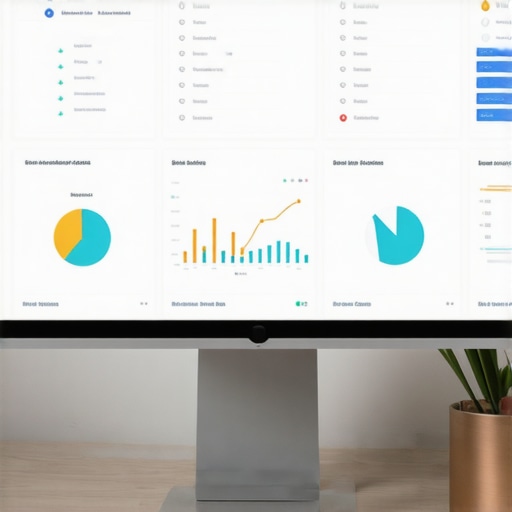
One of the key reasons I prefer these platforms is their compatibility with third-party reconciliation tools. For instance, integrating with services like AutoRek allows for automatic ledger comparisons, ensuring discrepancies are flagged immediately—saving time and preventing compliance issues. As technology evolves, I predict AI-powered reconciliation and fraud detection will become standard, further enhancing accuracy and efficiency.
To truly keep your processes working smoothly over time, regular system audits are essential. Set quarterly reviews to evaluate your software integrations, update your security protocols, and assess new features that could streamline your workflow. Additionally, maintaining open communication channels with your CPA ensures ongoing alignment, especially when unique business scenarios arise.
So, how do I maintain my systems effectively? I focus on integrating smart automation tools combined with routine manual checks. For example, manually reconciling payroll when your software falters, using detailed guides like https://financeauthoritys.com/how-to-reconcile-payroll-when-your-software-fails-basic-math, ensures nothing slips through the cracks.
In the future, I believe the trend will shift toward fully automated, AI-driven compliance systems that continually learn and adapt to regulatory changes. Until then, combining reliable software with diligent oversight remains the best strategy.
If you’re ready to elevate your payroll accuracy, start by implementing automated reconciliation tools today. This small step can significantly reduce ledger gaps, making your tax preparation and audit support much more manageable.
What I Wish I Knew About Stronger Audit Defenses
One lightbulb moment was realizing that relying solely on software isn’t enough; meticulous manual checks and proactive communication with your CPA build a resilient tax strategy. I learned that deep understanding of multi-state payroll obligations can prevent costly penalties, and that every ledger discrepancy uncovered early saves time and stress during audits. Recognizing overlooked deductions often turns into a game-changer, reinforcing that continuous learning and vigilance are key to safeguarding your business’s finances.
Tools and Resources That Have Transformed My Approach
Integrating tools like QuickBooks Online combined with third-party reconciliation services such as AutoRek ensures real-time accuracy and early detection of ledger gaps. Reading guides like this reconciliation checklist keeps my process sharp. I also value industry insights from thought leadership articles, which educate me on evolving regulations and best practices. These resources empower me to maintain an audit-proof system and stay ahead in compliance.
Your Next Step: Elevate Your Financial Vigilance
Now is the time to act—by prioritizing thorough record-keeping, leveraging smart technology, and engaging closely with your CPA, you can turn your tax strategy into a fortress. Don’t wait for an audit to reveal vulnerabilities; proactive measures save money, time, and peace of mind. Embrace continuous improvement, stay vigilant with ledger health checks, and see your business thrive free from unnecessary tax worries. Remember, mastery in this area isn’t a one-time effort—it’s an ongoing commitment to excellence in financial stewardship.
Comments are closed.