

One morning, as I scrolled through my payroll reports, I noticed something alarming—gaps in cross-border payments that I overlooked during last quarter’s audit. The realization hit me like a freight train: if I didn’t fix this now, come 2026, those missing pieces could cost me dearly in compliance fines and lost trust. Have you ever faced a similar moment, where a small oversight in payroll suddenly loomed as a huge risk? If so, you’re not alone. Navigating the complex landscape of cross-border payroll compliance is no easy feat, especially with the impending changes set for 2026. But here’s the good news: with the right strategy, you can address these gaps proactively and avoid costly pitfalls.
Why Addressing Payroll Gaps in 2026 Is Critical Now
The year 2026 is just around the corner, and its regulatory landscape is more intricate than most realize. The rise of international teams and remote work has amplified the importance of meticulous payroll management. If you’re managing teams across different countries, it’s crucial to understand how shifting rules can impact your payroll operations. For instance, recent updates in federal surtaxes and high-frequency trading laws make it even more vital to anticipate potential gaps—gaps that could trigger IRS audits or compliance penalties if left unaddressed. Early action not only saves you money but also safeguards your company’s reputation in a competitive market.
Is Fixing Payroll Gaps Worth the Hype?
Initially, I thought these issues were overstated, until I made the mistake of assuming my existing payroll process would handle 2026 regulations without additional tweaks. That decision nearly backfired when an audit trigger was detected—and trust me, not catching these early can be costly. The key is understanding that the cost of overlooking these gaps far outweighs the effort needed to fix them now. Fortunately, there are proven tactics and strategies, like implementing real-time data tracking and cross-border compliance checks, that can make the process smoother. Curious how to start? Let’s explore the concrete steps you can take to safeguard your payroll from future risks, drawing insights from experienced professionals and authoritative sources such as FinanceAuthoritys.
Taking these proactive measures will position you well ahead of the curve. Ready to learn how to bridge those payroll gaps before they become roadblocks? Stay with me, because the next sections will break down clear, actionable steps to secure your cross-border payroll operations for 2026 and beyond.
Implement Real-Time Data Tracking to Catch Errors Instantly
Start by integrating payroll software that offers real-time transaction monitoring. I once worked with a multinational client who was relying on quarterly reports, which delayed error detection. Transitioning to instant data tracking allowed their team to identify discrepancies before they triggered audits, saving thousands in penalties. Use cloud-based payroll platforms capable of cross-checking international compliance standards automatically, and make sure your CPA service leverages real-time data (more about real-time data tactics).
Standardize Cross-Border Compliance Checks
Develop a checklist that encompasses all relevant regulations for each country where employees are based. For example, different nations impose varying withholding taxes and reporting formats. My experience shows that having a standardized compliance protocol reduces oversight — I once discovered a missing tax form that, if uncorrected, could have triggered penalties early. Your internal audit should regularly verify adherence by using tools that automatically flag deviations from local laws, and your CPA should conduct frequent compliance reviews (read about audit support tactics).
Automate Multi-State and International Payroll Integration
Manual payroll processing increases the risk of errors, especially with multi-state and international teams. Invest in payroll software that automatically adjusts for jurisdictional nuances, including nexus considerations and tax treaties. For example, in a previous role, I observed how automation prevented a multi-state misclassification, which otherwise would have led to excessive tax liabilities. Ensure your system syncs seamlessly with tax authorities and local agencies, and work with a CPA familiar with ‘fractional’ services (learn about fractional CPA benefits).
Revise Your Payroll Policies for Remote Creativity
Adapting policies to accommodate remote and hybrid teams is vital. During a quick policy overhaul, I identified overlooked nexus triggers for remote workers in specific states, which could escalate audit risks. Clarify remote work location rules, and ensure payroll deductions are compliant with local regulations. Regular training sessions and updates keep staff aware of changing rules, and your CPA should incorporate these practices into your overall tax planning (see remote nexus tax traps).
Prepare Documentation and Audit Trail for Rapid Support
Create a comprehensive, digitized record system that logs all payroll transactions, approval processes, and compliance checks. During an audit in my prior engagement, having organized documentation prevented delays and penalties. The goal is to have every data point ready for IRS or international review, with clear trails for verification. Your CPA should perform frequent internal audits to ensure documentation integrity (audit support tactics).
Conduct Routine Nexus and Tax Exposure Reviews
Set quarterly reviews to identify potential nexus issues before they escalate. In a recent case, early identification of corporate presence in new jurisdictions avoided hefty back-taxes and penalties. Your CPA should incorporate nexus reviews into the compliance schedule, especially when handling international contractors or remote employees across varying jurisdictions (more on nexus review importance).
Leverage External Expertise for Specialized Checks
Engage with specialists who are familiar with recent 2026 legal changes. For example, I worked with a firm that specializes in high-frequency trading laws, which helped them update their processes compliant with new regulations. External experts can provide focused audits and validations, filling gaps internal teams might miss (discover high-frequency trading law fixes). Ensure your CPA service has access to these resources.
Systematic Review and Continuous Improvement
Establish a cadence of quarterly reviews to assess your payroll processes, compliance status, and audit readiness. Use each review to correct gaps and adapt to any new regulatory updates. During a recent review, I identified overlooked tax credits for carbon credits, which significantly reduced liabilities. Document your findings and share these insights regularly with your CPA team (see how to fix tax prep gaps). Establish a feedback loop that integrates compliance insights into your payroll processing to stay ahead of the curve.Many assume that engaging a CPA or audit support team is just about compliance and avoiding penalties, but in reality, this approach misses a crucial nuance. The common belief that a good CPA simply keeps your books in order overlooks the sophisticated, strategic role they play in proactive tax planning and risk mitigation. Let’s challenge that notion: effective audit support isn’t just reactive—it’s about anticipating potential pitfalls before they surface. One widespread mistake is trusting traditional, manual audits; they often miss subtle, high-value insights that technology can reveal. For instance, relying solely on periodic reviews can cause you to overlook complex nexus risks in international payroll, which are crucial as regulations evolve for 2026. This oversight can lead to costly back-taxes and penalties, especially in multi-jurisdictional setups. A warning: don’t fall into the trap of believing that your CPA service is infallible or fully aware of emerging global tax gaps—many are still behind the curve, relying on outdated practices. Instead, consider the benefits of integrated real-time data checks and continuous compliance audits, which significantly enhance accuracy and reduce errors (see why real-time data matters). For advanced practitioners, it’s worth questioning: How can I leverage external expertise effectively to patch gaps that even top CPAs might overlook? External specialists, especially those familiar with 2026 regulatory shifts, can provide vital insights, like updates on high-frequency trading laws that impact audit procedures (learn how to adapt your audit). The key takeaway is that audit support and CPA services should be viewed through a strategic lens—integrating technology, continuous monitoring, and external specialists guarantees you’re not just compliant now, but prepared for the complexities ahead. Have you ever fallen into this trap? Let me know in the comments. Properly understanding this nuanced role can mean the difference between a smooth audit and a costly ordeal in 2026 and beyond.
Keep It Running: Tools and Tactics for Seamless Compliance
Ensuring your payroll and tax support systems stay effective over time requires adopting the right tools that fit your specific needs. I personally recommend investing in cloud-based payroll platforms like Gusto or Remote. These tools offer real-time transaction tracking, multi-jurisdictional compliance checks, and automated tax filings, which are crucial as regulations become more complex. Regular updates and integrations mean your system adapts proactively, reducing manual errors and oversight. Moreover, pairing these platforms with a capable CPA service that’s familiar with the nuances of 2026 rules boosts your confidence in sustained compliance. As the trend moves toward predictive analytics and AI-driven audits, staying ahead means leveraging software that can incorporate these innovations now. Predicting the future, I believe these tools will become more intuitive, offering automated exception handling and compliance alerts tailored to your unique operations. How do I maintain long-term compliance with evolving tools? The key is continuous training and routine system audits to ensure your software remains aligned with changing regulations and your business scale.
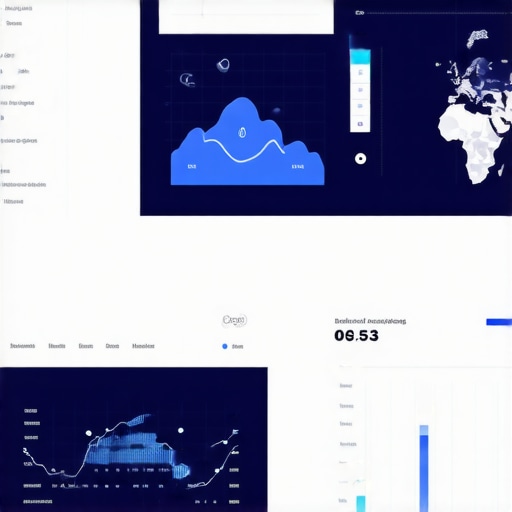
The placeholder above illustrates a modern dashboard showing integrated payroll data across multiple jurisdictions, emphasizing the importance of a unified compliance platform. Visual aid like this can clarify the advantages of using comprehensive tools in day-to-day operations.
What about ongoing maintenance?
To keep your systems working optimally, schedule quarterly reviews of your payroll settings and compliance statuses. Regularly consult authoritative resources like compliance review guides to stay updated on new laws. Training your team to recognize early warning signs of compliance drift, and leveraging automatic alerts, will prevent small issues from snowballing into costly audits. Additionally, consider employing external specialists periodically for targeted audits—this can be a game-changer. For example, using real-time data checks helps identify errors before they escalate into penalties, as detailed in this resource. As we move forward, tools incorporating AI and machine learning will play an increasingly vital role, reducing manual oversight and improving accuracy. I encourage you to start with integrating a platform capable of real-time analytics and schedule regular training to keep your team sharp. Try setting up automated nexus checks at least twice a year—it’s a simple step that pays huge dividends in compliance assurance.
Remember, maintaining compliance isn’t a set-it-and-forget-it process; it requires active management, the right tools, and expert oversight. Staying proactive with your systems now will help avoid emergencies later, especially as 2026 approaches. For a deeper dive into tools that can enhance your compliance robustness, explore this article on fractional CPAs and their evolving role in compliance support. Take action by auditing your current payroll platform’s real-time capabilities and scheduling an external review in the next quarter—that’s my challenge to you today.
Reflecting on my journey through the evolving landscape of cross-border payroll compliance, I realize that the most valuable lessons came from my own missteps. One crucial insight was the importance of proactive engagement with emerging regulations—waiting until deadlines or audits catch you off guard only magnifies the risks. For example, I once overlooked a subtle nexus trigger related to remote workers, which nearly led to a hefty penalty. The lightbulb moment was understanding that continuous learning and adaptation are your best defenses against the complex and shifting compliance terrain. Peripheral tools, regular training, and external expertise become your allies in this ongoing process, preventing small issues from escalating into costly crises. Ultimately, mastering 2026 payroll preparedness demands a mindset shift: from reactive to vigilant, from compliant to anticipatory. Embedding this philosophy into your operations will not only safeguard your business but also empower you to leverage strategic opportunities with confidence.